
Allen Park, Westland
Garage Door Service for Allen Park's 1955-Era Homes
Allen Park homes mostly date to 1955, a few years ahead of the wider service area. We cover the hardware that era left behind, from our shop 10 miles out in Westland.
How It Shows Up
Most houses in Allen Park went up around 1955, which puts the neighborhood a few years ahead of the 1960 median we see across the rest of the service area.
Pre-sectional opening era
That half-decade matters on a garage door. Homes from this window were built before sectional doors with roll-formed steel panels became the standard fit, so a lot of the original openings still carry one-piece slab doors or early sectional retrofits bolted onto hardware that was never meant to take an opener's pull.
Dragging and bowed slabs
What you notice first is usually a door that drags on one side, a slab that's gone slightly bowed, or a torsion setup mounted in a way nobody uses anymore. None of that is damage in the usual sense - it's just a door running on 70-year-old geometry, and the symptoms show up as noise, uneven travel, or a door that reverses for no clear reason.
Originals versus modern sectionals
It's not every house. Plenty of homes here have been fully replaced with modern sectional doors on standard track. But if your house still has its original opening unmodified, the hardware tells on itself fast.
Why It Happens Here
The service area sits in a severe cold climate band, and a 1955-built opening doesn't insulate or seal the way anything built in the last twenty years does. Freeze-thaw cycling works on steel track brackets and old lag screws the same way it works on concrete - slow, then all at once. On a slab door from this era, the panel itself can cup slightly with repeated cold snaps, which throws off the roller alignment even if nothing is visibly broken.
Allen Park also runs a bit higher on household income than the service area overall - $80,045 median here against $72,235 across the wider area - which tends to mean more owners catch a sagging door early and get it looked at before a cable snaps, rather than running it until something fails outright. That's a good habit. It's also why a lot of the calls we get from this side are inspection and adjustment calls, not full-blown emergency repairs.
The Complications
The complication with original-era hardware isn't the repair itself, it's finding parts that fit. A torsion spring wound for a slab door from 1955 isn't the same part number as what ships for a modern sectional door, and track widths from that period don't always match current stock sizes. When a part has to be special-ordered rather than pulled off the truck, that adds days, not hours, to the job.
The other complication is openers. A lot of these original doors picked up a retrofit opener at some point in the last few decades, and the mounting bracket and travel limits were set up for whatever door was on the track at the time. Swap in a new door without checking that bracket and you can end up with an opener straining against hardware it was never tuned for. We check that before we touch anything else, because skipping it is how a simple spring job turns into a second visit.
Booking a Visit
We run out of Westland, about 10 miles from Allen Park, and we schedule the drive rather than staffing a separate crew in town.
Visits booked, not walk-in
That means a visit here gets booked, not walked in on - tell us what the door is doing (won't open, makes noise, hangs crooked) and we'll get a sense of whether it's a spring, a track, or an opener issue before the truck leaves the shop. If your house is one of the originals from the mid-1950s building wave, mention that when you call.
Older hardware changes what we bring
It changes what we bring - older torsion hardware and slab-door parts aren't the same stock we carry for a 1990s sectional door, and knowing ahead of time saves a second trip. You can find more on how we handle service calls to this area at the Allen Park service page, and see the full range of what we cover out of the Westland shop on our main service page.
How Long You Are Without the Door
Most repairs on standard, modern hardware we close out same visit - spring swap, cable replacement, roller and track adjustment. Where we can't promise that is on original 1955-era parts that aren't common stock. If a slab door needs a panel or a specific bracket that isn't on the truck, that part has to be ordered, and we won't pretend otherwise. We'd rather tell you the door is safe to leave closed for a few days while a part comes in than rush a mismatch onto it.
In the meantime, if the door is stuck open, we can usually get it closed and secured on the first visit even if the full fix waits. If it's stuck shut and you need the car out, that's the kind of call where we talk through options on the phone before anyone drives out, since a 1950s opening sometimes needs the door walked up by hand rather than forced electrically.
The DIY Question
A torsion spring on any door, old or new, carries enough stored force to break a bone or worse if it lets go while you're working on it, and that doesn't change because the house is from 1955. What does change with an older door is that you often can't tell by looking whether the spring, the drum, or the mounting bracket is the original part or a decades-old replacement, and guessing wrong on a part that old is worse than guessing wrong on a new one.
Lubricating hinges, tightening visible bolts, and clearing the track of debris are fine to do yourself on any door. Replacing a spring, re-tensioning a torsion bar, or pulling a slab door off its original track is not a reasonable weekend project here, especially when the hardware predates most of what's written in current repair guides. If you're not sure which category your fix falls into, that uncertainty is itself a reason to call rather than open the door up.
Questions
Common questions
Does Allen Park's older housing mean more garage door problems?
Not more problems exactly, but different ones. Homes built around 1955 often still have original slab doors or early sectional retrofits on hardware that predates current standard sizes, so repairs sometimes need a specific part ordered rather than pulled straight off the truck.
How far is the drive from Westland to Allen Park?
About 10 miles. We don't keep a separate branch in Allen Park - we schedule the visit and bring what the job needs based on what you tell us about the door when you call.
Can you fix a door from the original 1950s construction?
In most cases, yes, though parts for that era of hardware aren't always in stock on the truck. If a slab door needs an original-spec bracket or panel, we'll tell you that up front rather than guess at a fit.
Is it safe to leave a stuck garage door overnight?
Usually yes if it's closed and secured, which is often as far as we take a first visit when a part has to be ordered. A door stuck open is a different situation and we'll walk you through securing it over the phone if needed.
Explore more
More Services in Allen Park
Garage Door Repair
Garage door repair for Allen Park's 1955-era housing stock - single-layer doors, narrow openings, and torsion hardware built for a different climate standard. Learn more →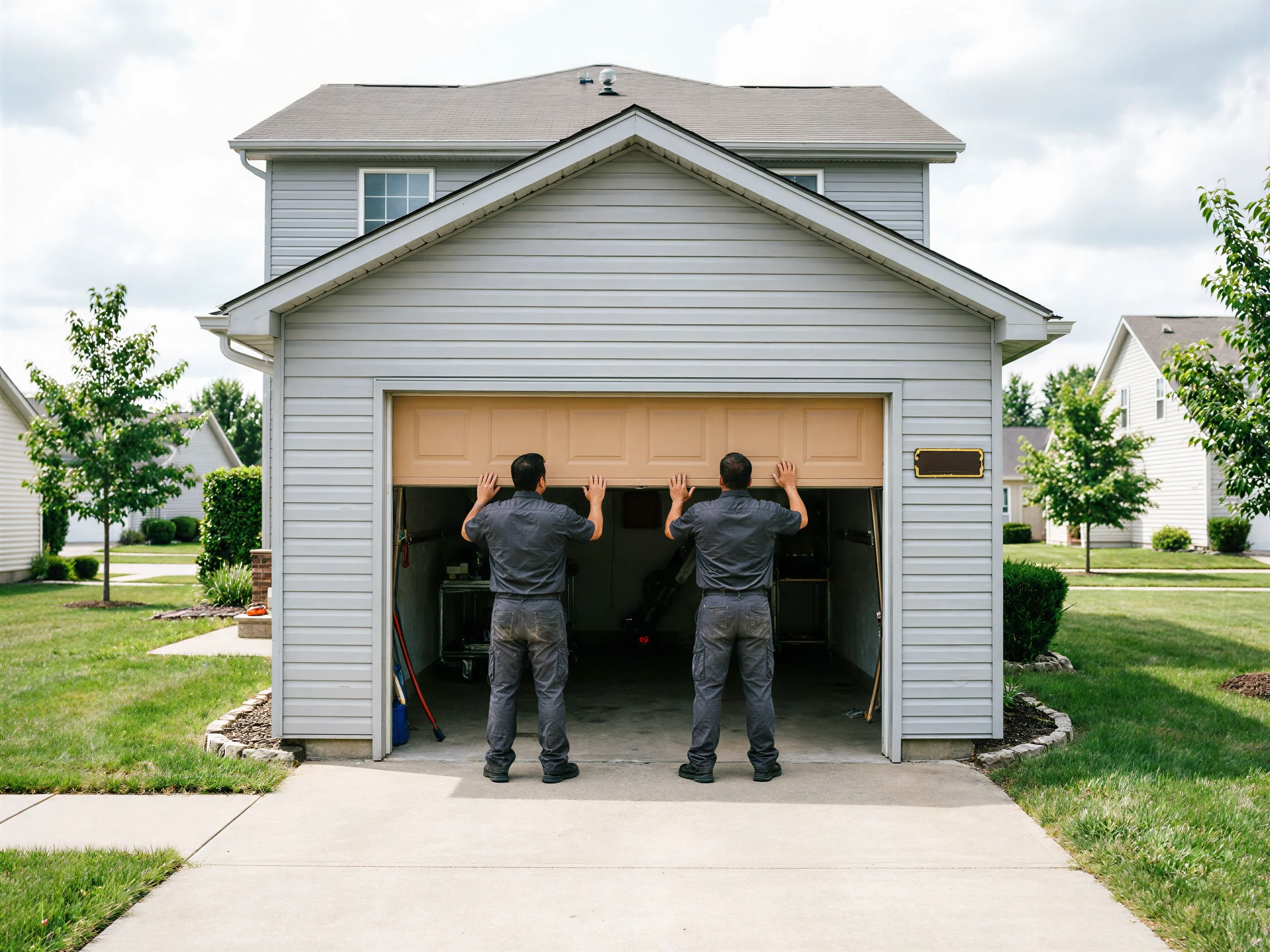
New Door Installation
Installing a new garage door in Allen Park means matching 1950s-era openings and cold-severe winters. Learn more →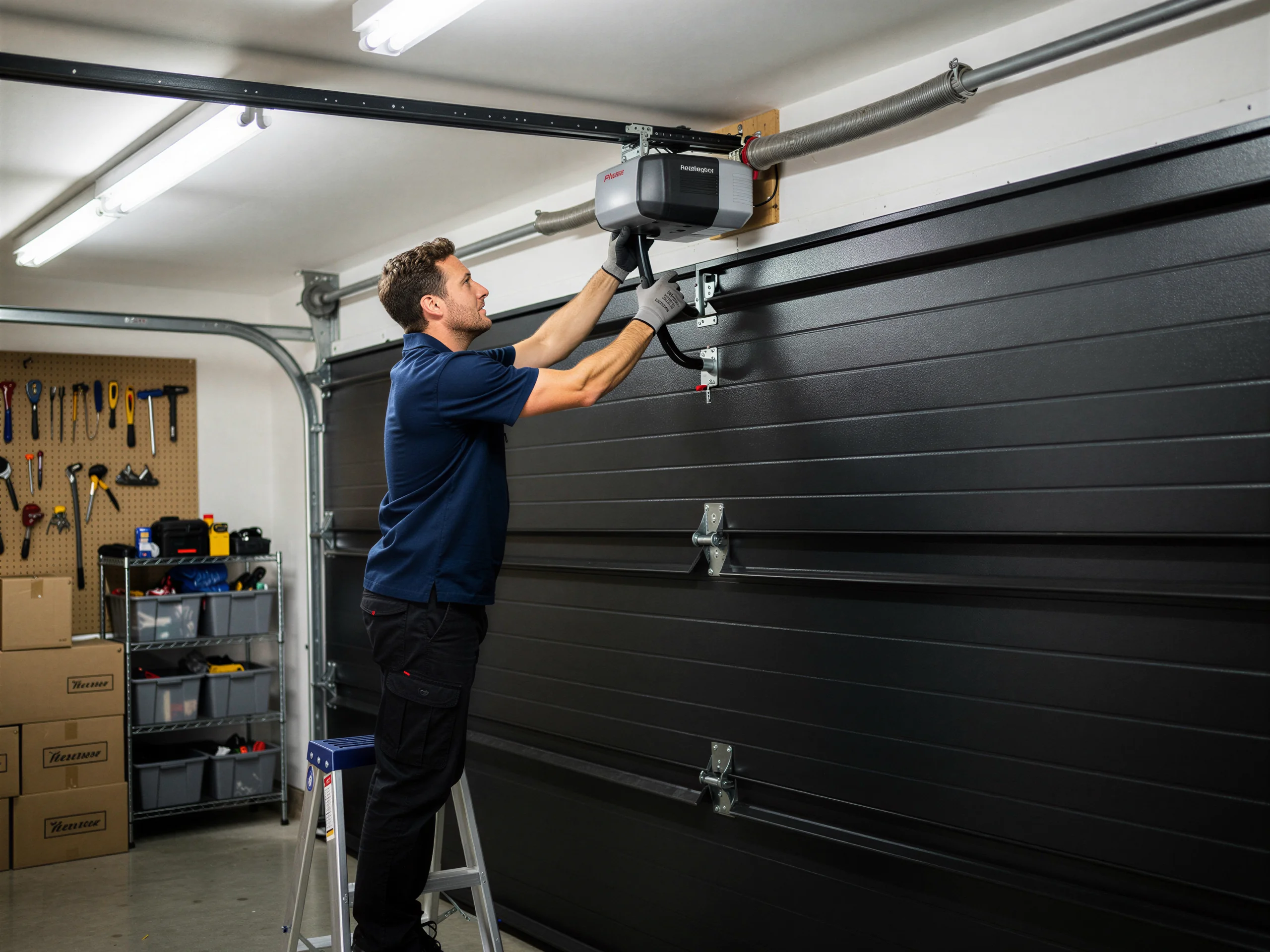
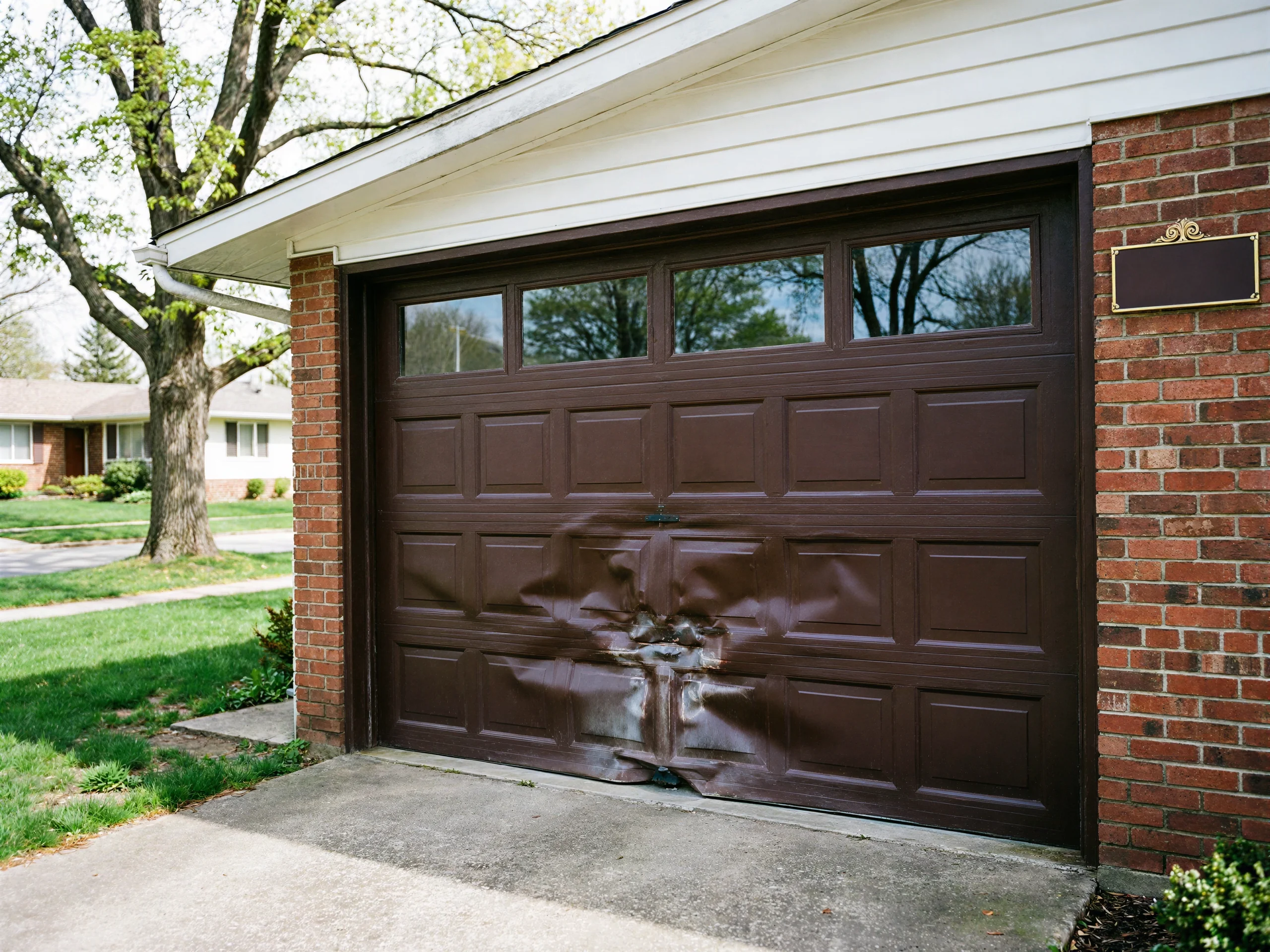
Panel Replacement
Allen Park homes run a few years newer than the Westland average, and that gap changes which panel sizes and hardware fit. Learn more →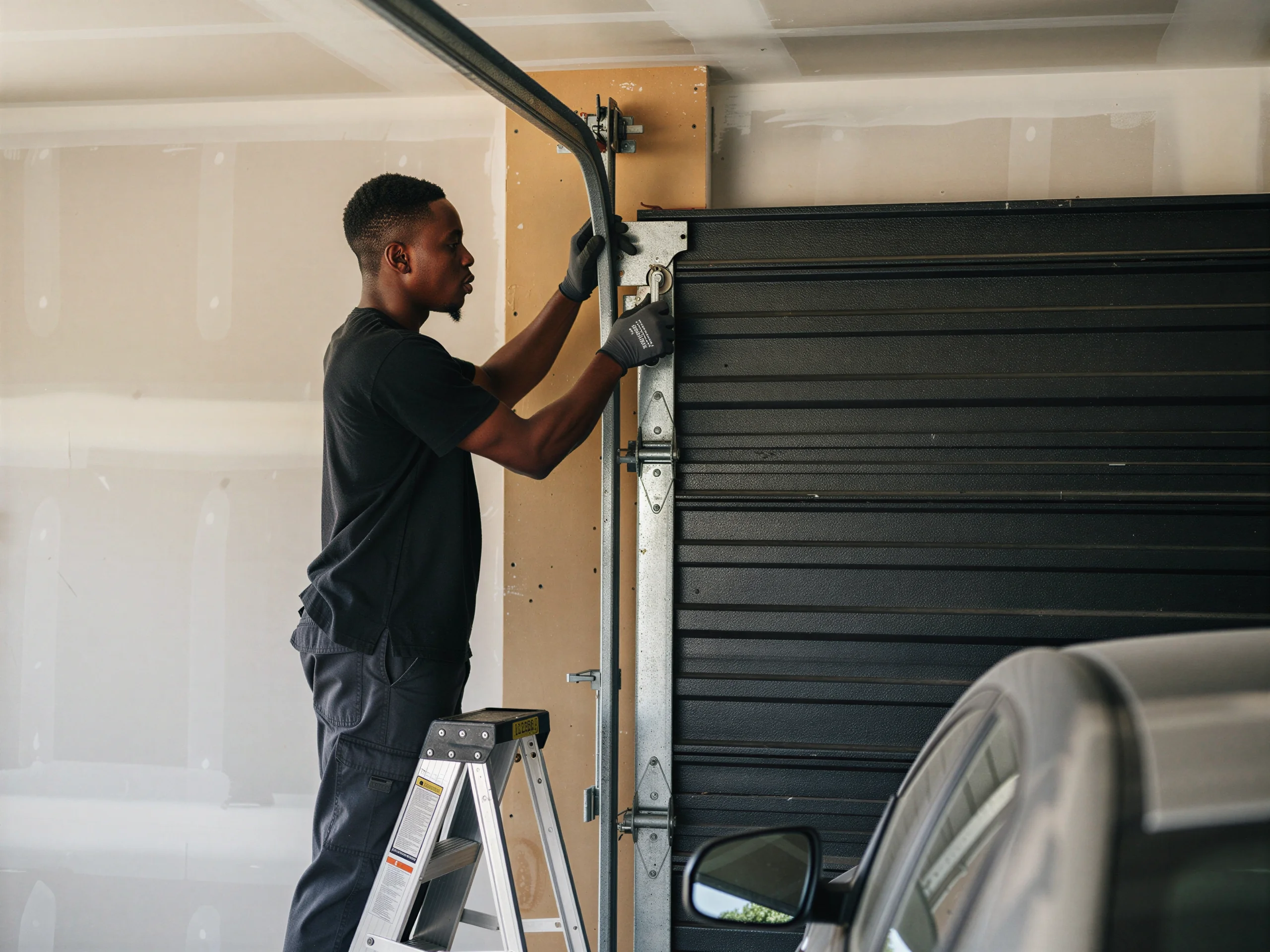
Roller Replacement
Allen Park homes built mostly around 1955 run worn steel rollers on original tracks. Learn more →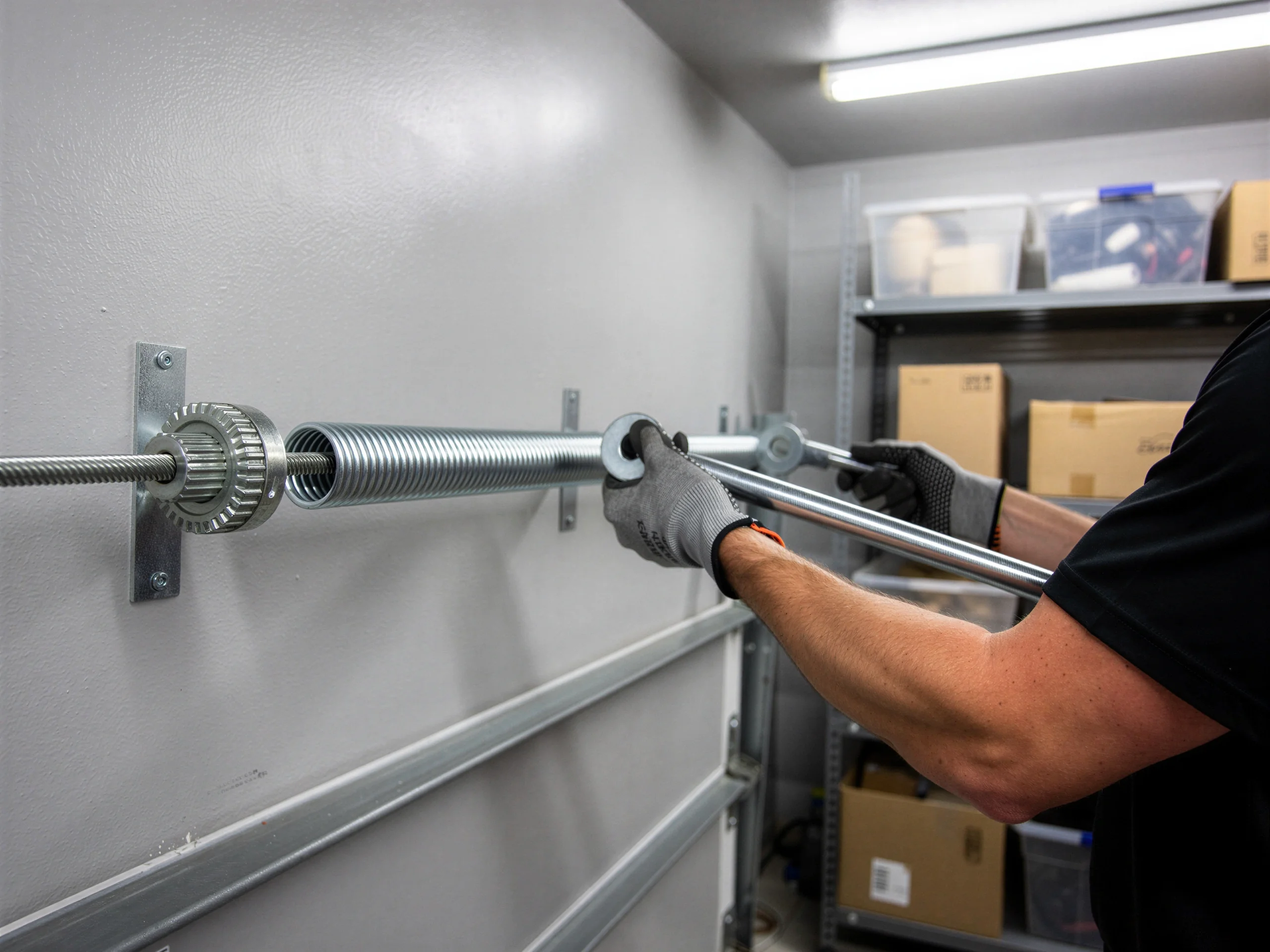
Spring Repair
Allen Park homes built around 1955 often still run original torsion hardware. Learn more →Ready when you are
Need garage door service in Allen Park?
Westland Garage Door Pros repairs and installs garage doors, springs and openers in Westland, MI and the surrounding area.