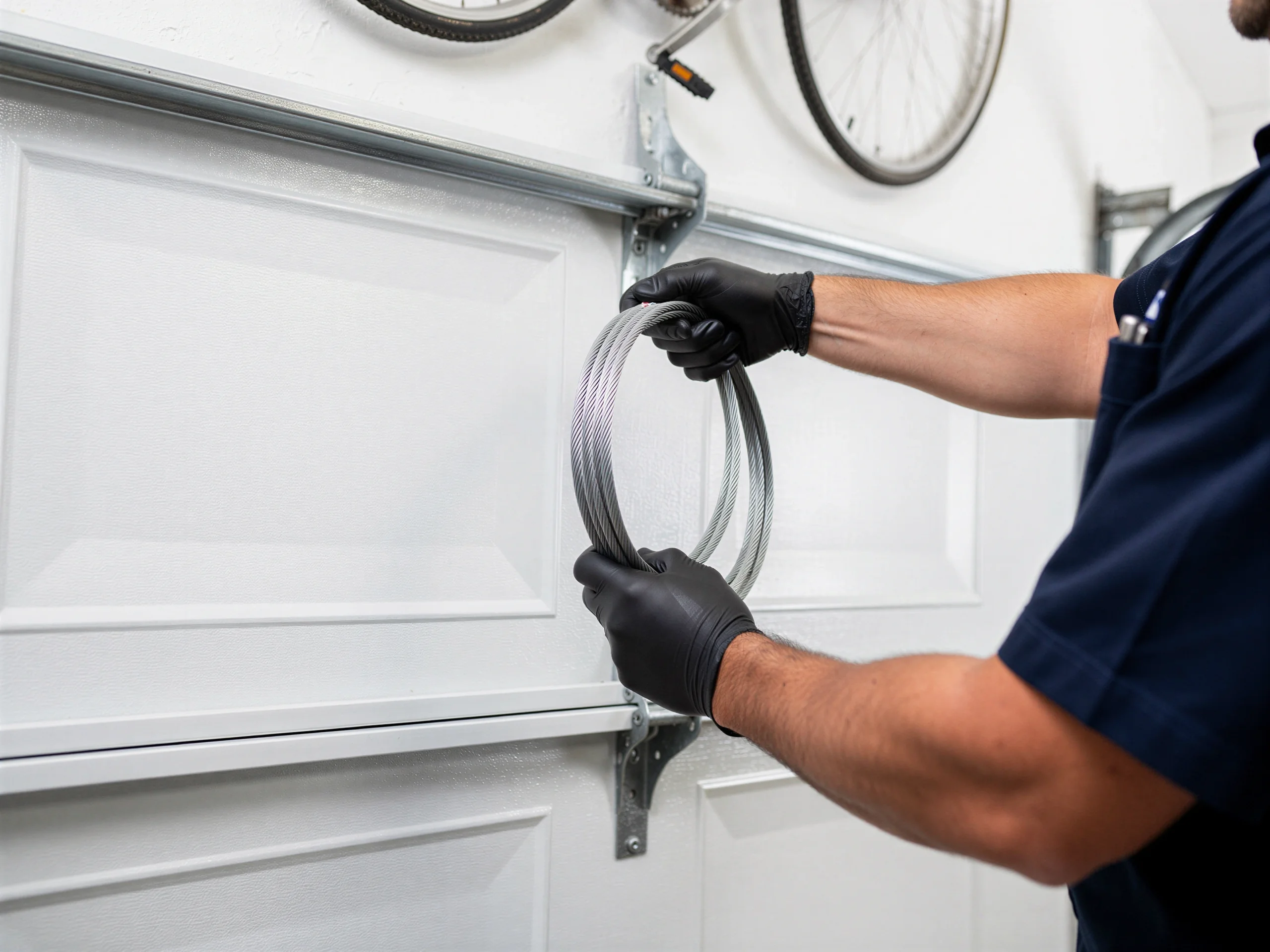
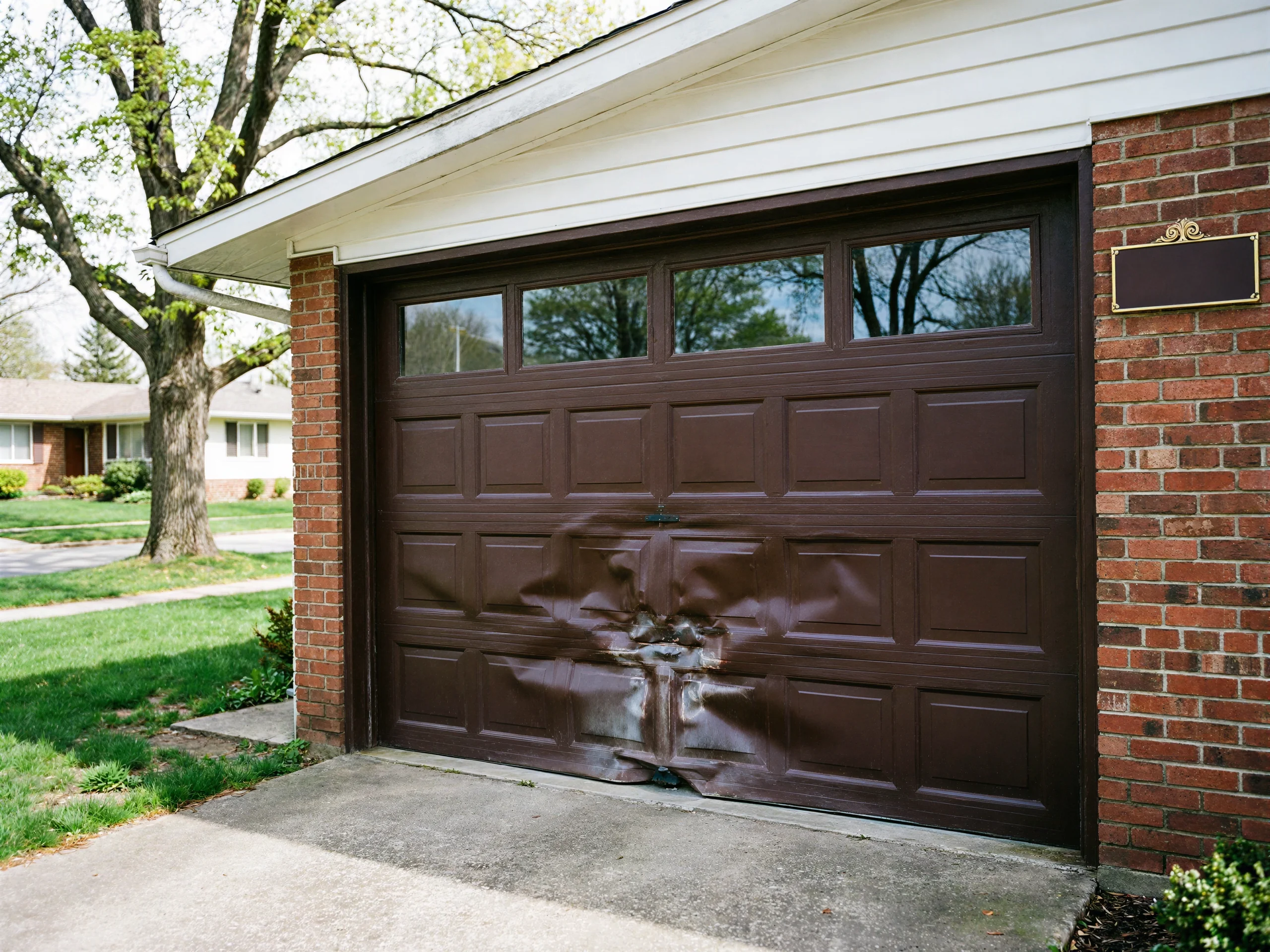
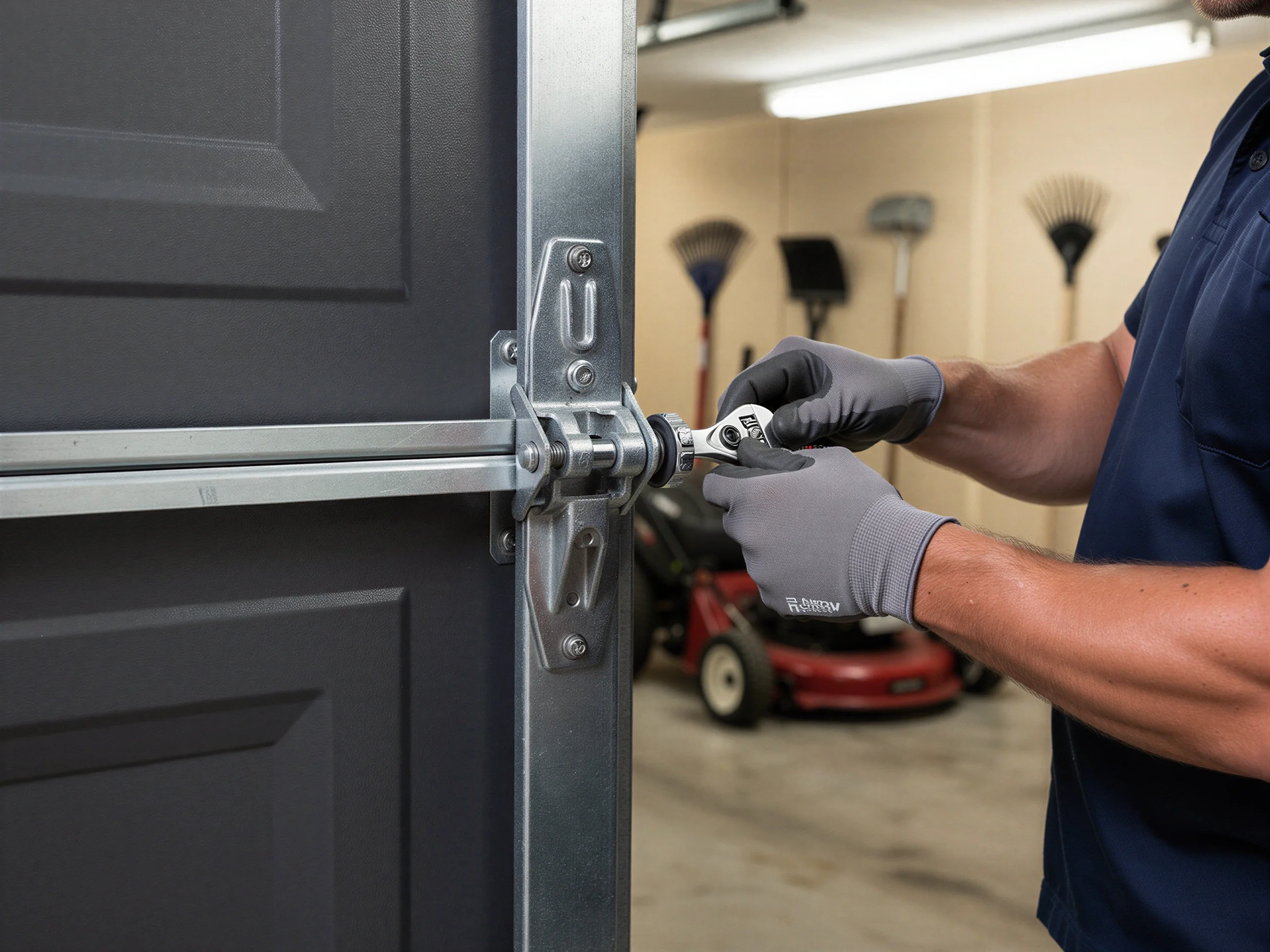
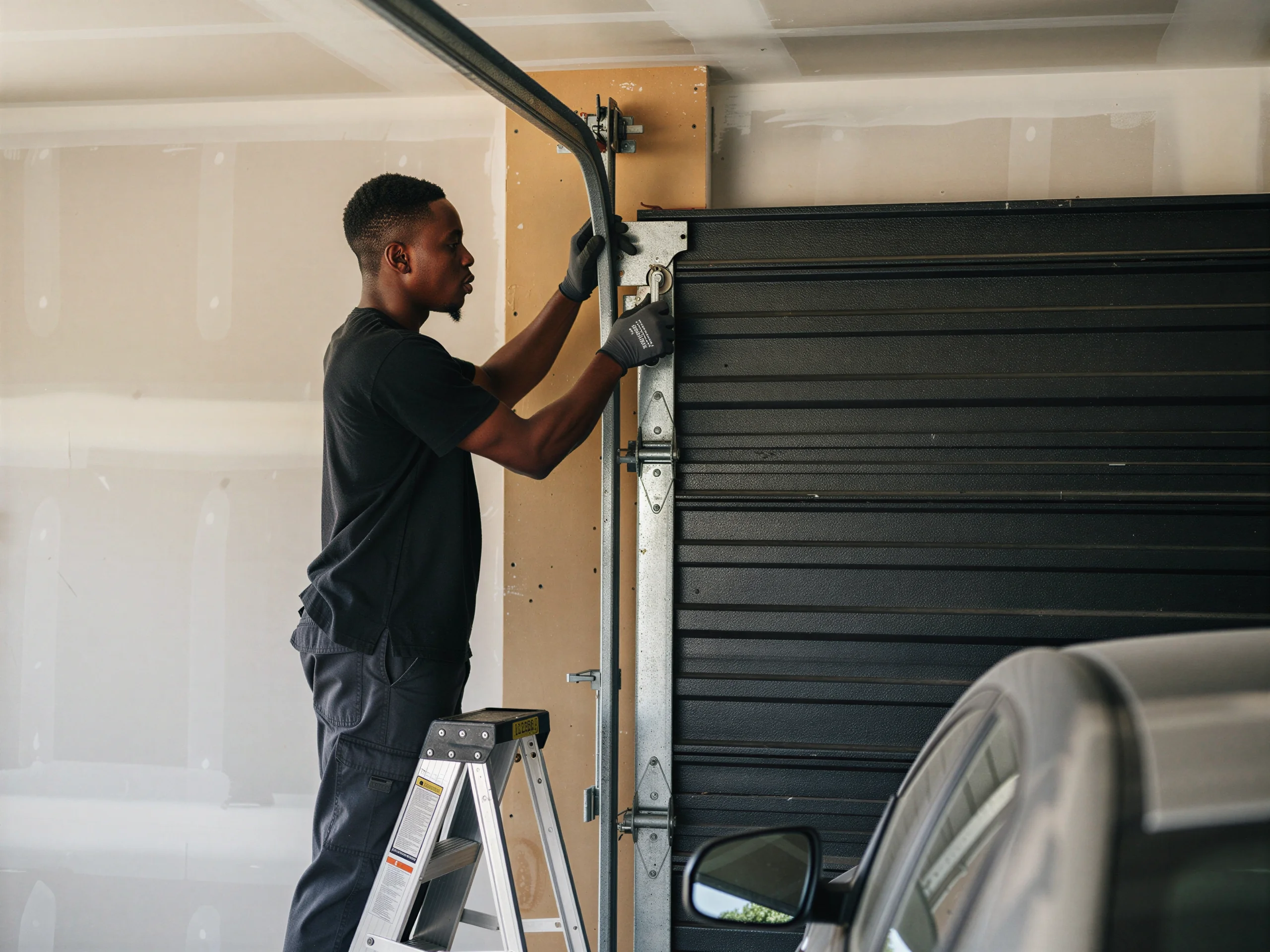
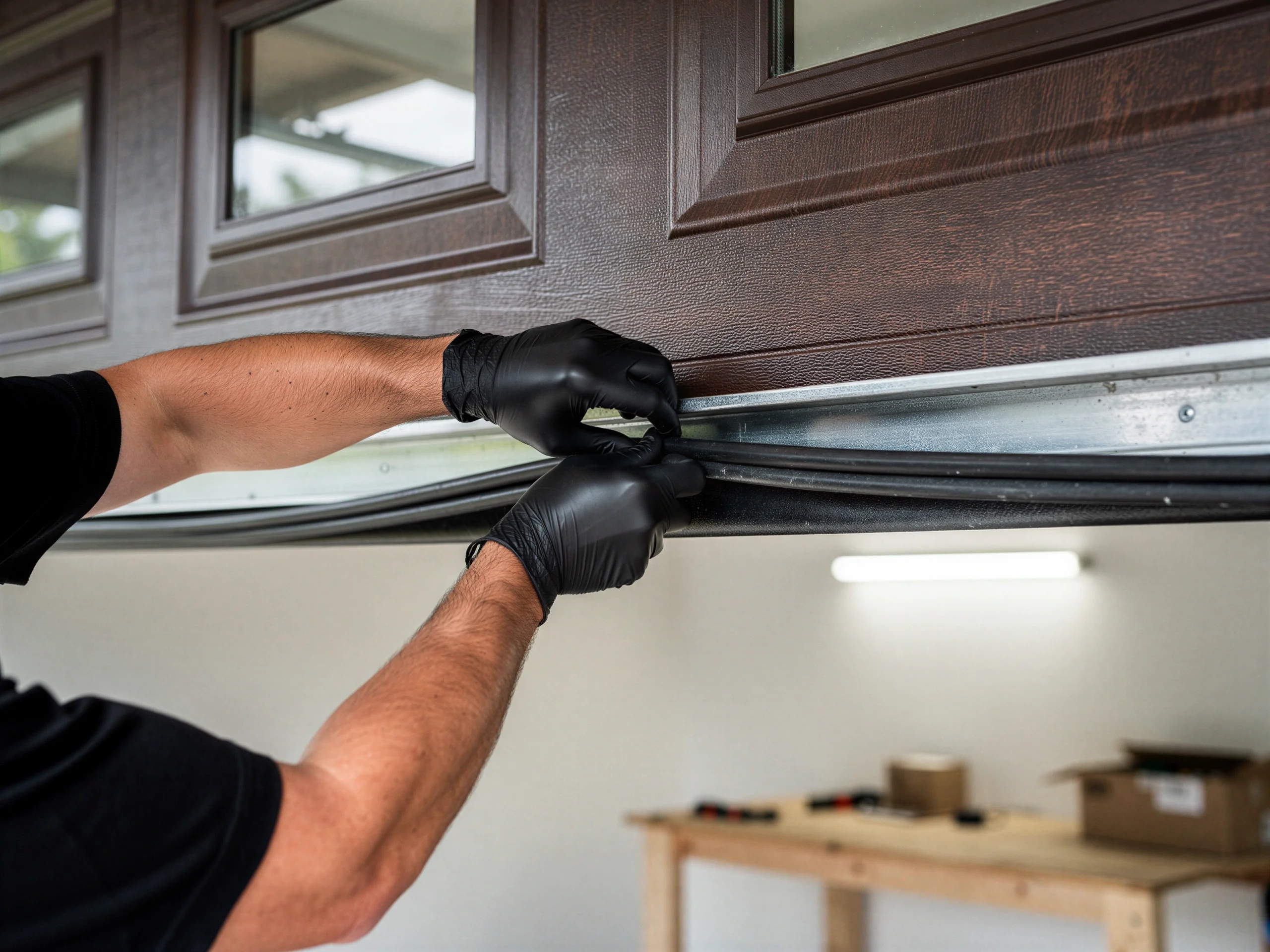
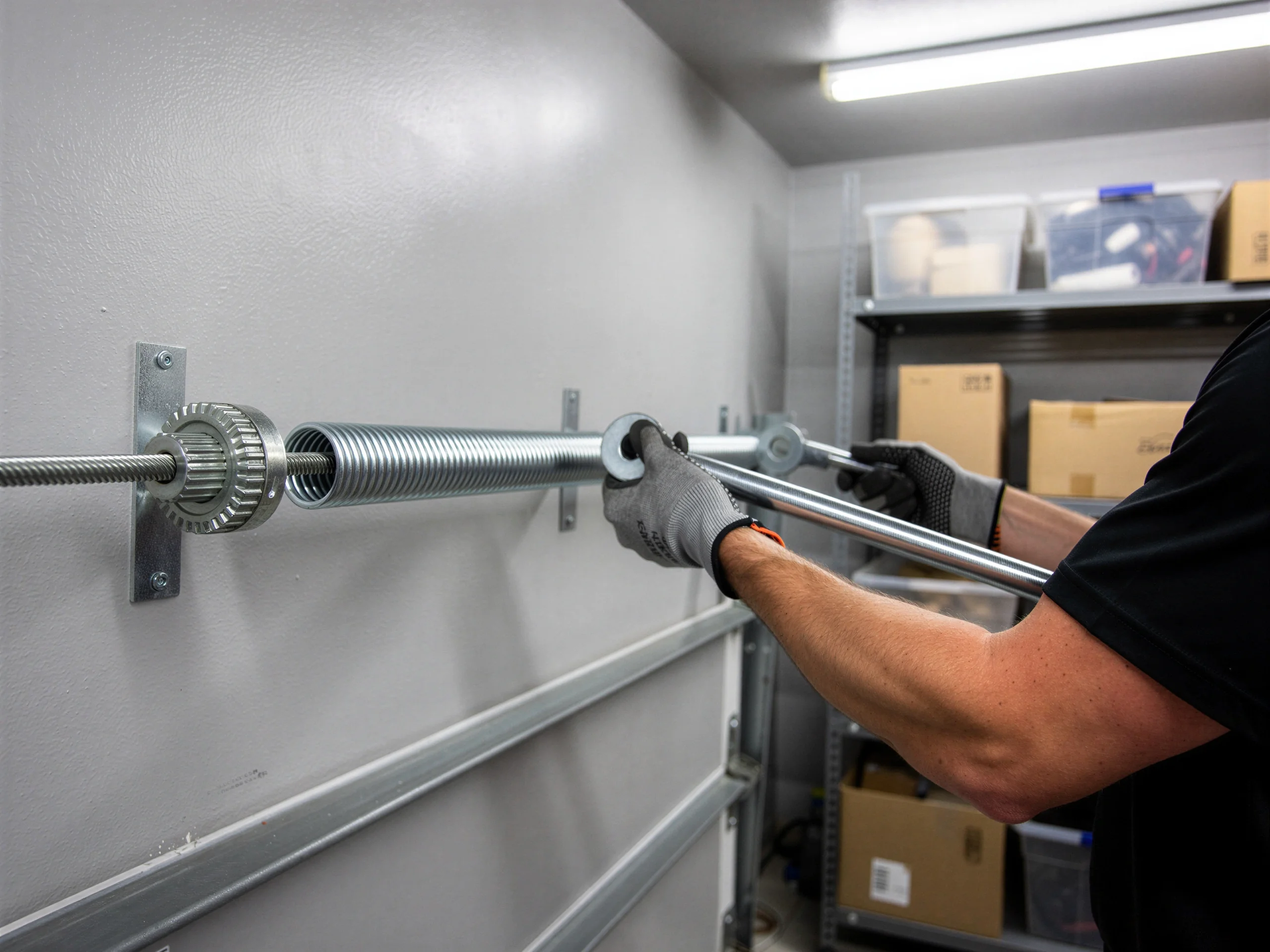
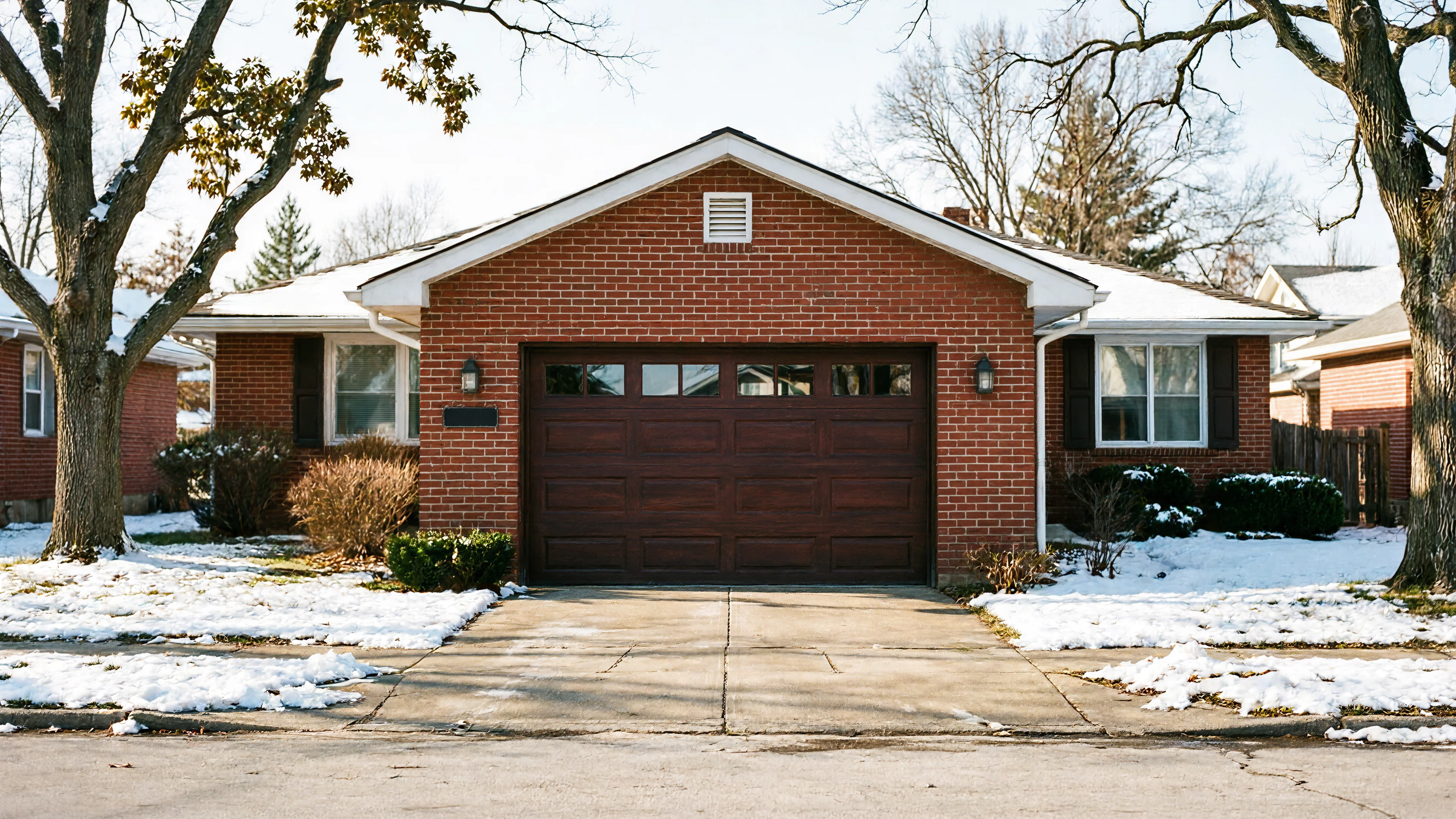
A door with one bad spring and otherwise sound panels is a repair, full stop - there's no case for replacing a door that's structurally fine because one part failed. Where it tips toward replacement is when a door from that 1960s median-age housing stock needs a spring, a cable, and two rollers in the same visit, and the panels are already dented or the wood core is soft. At that point you're paying repair labor three or four times over the life of a door that's going to need the next thing anyway.
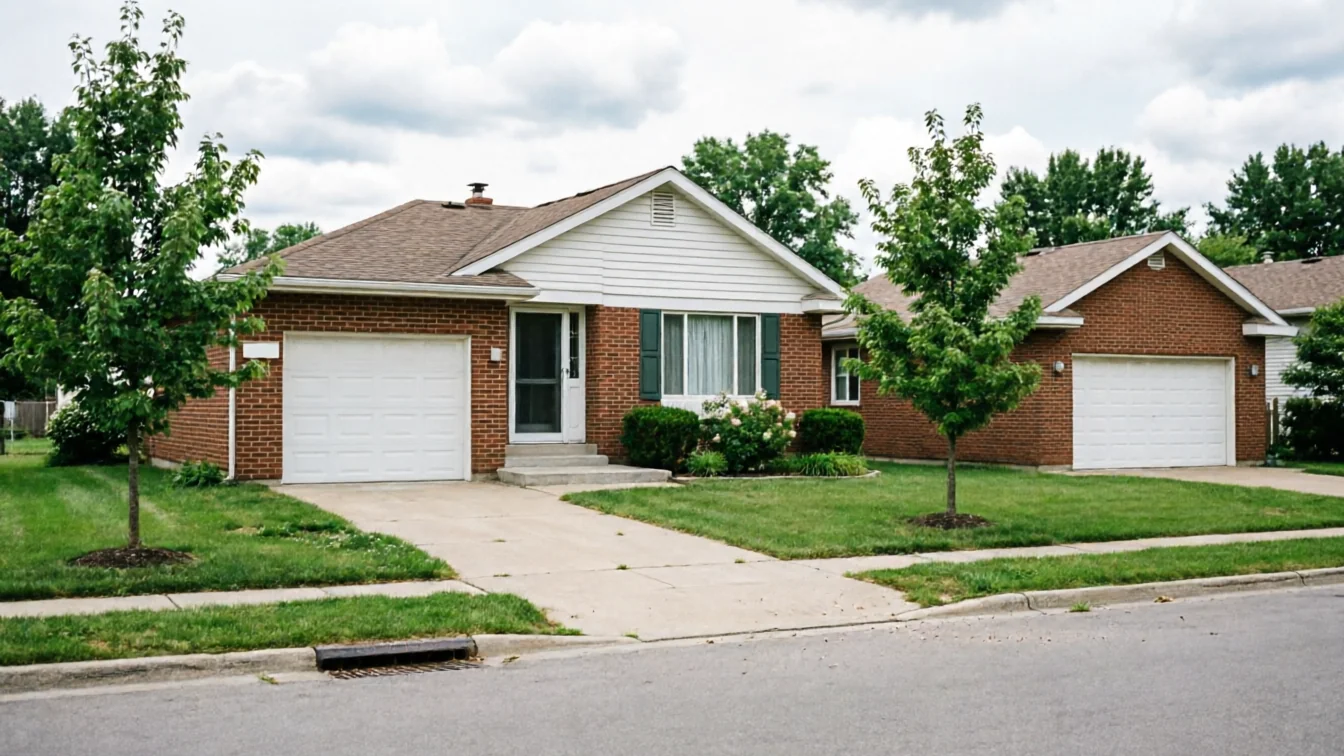
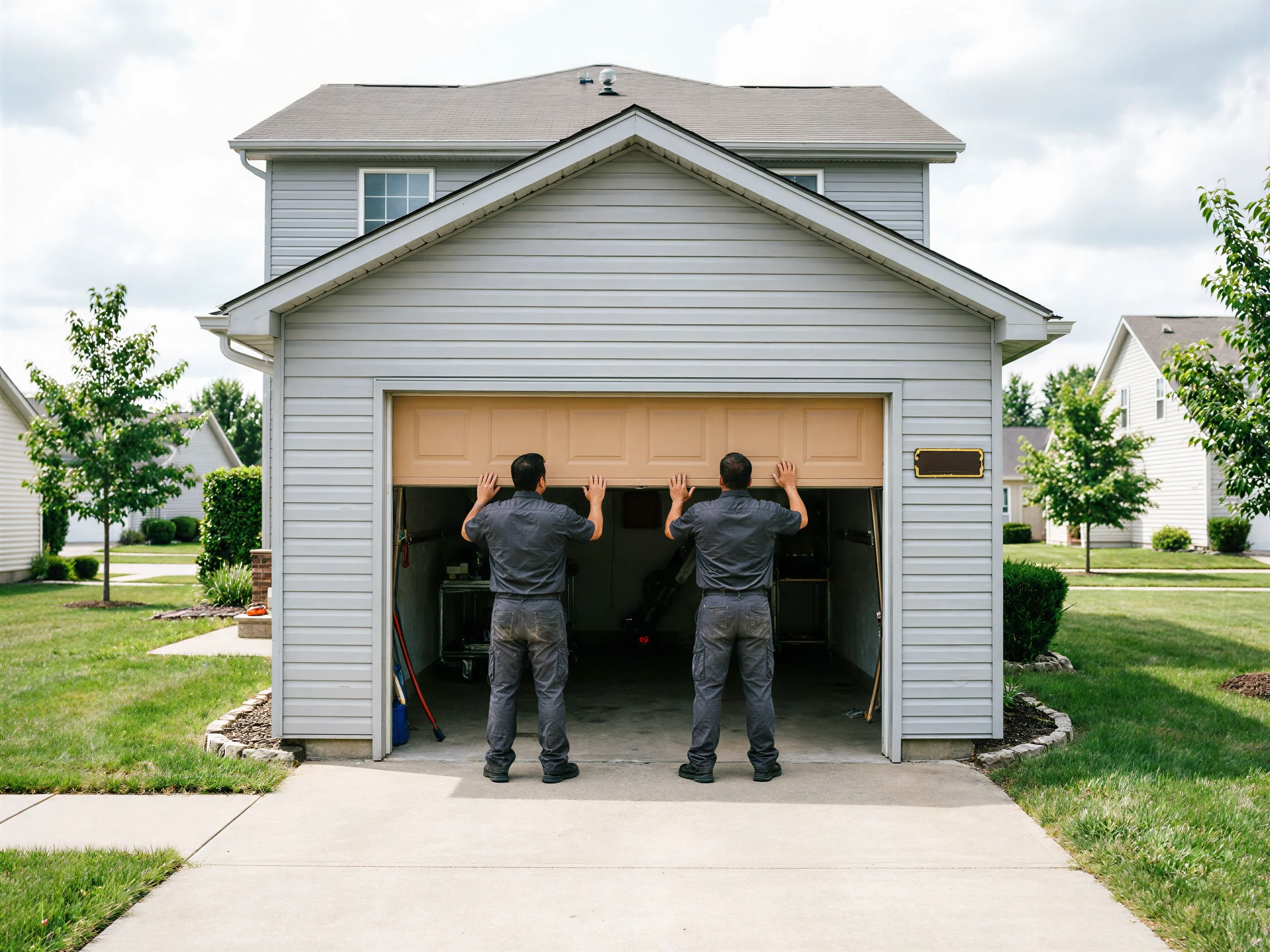
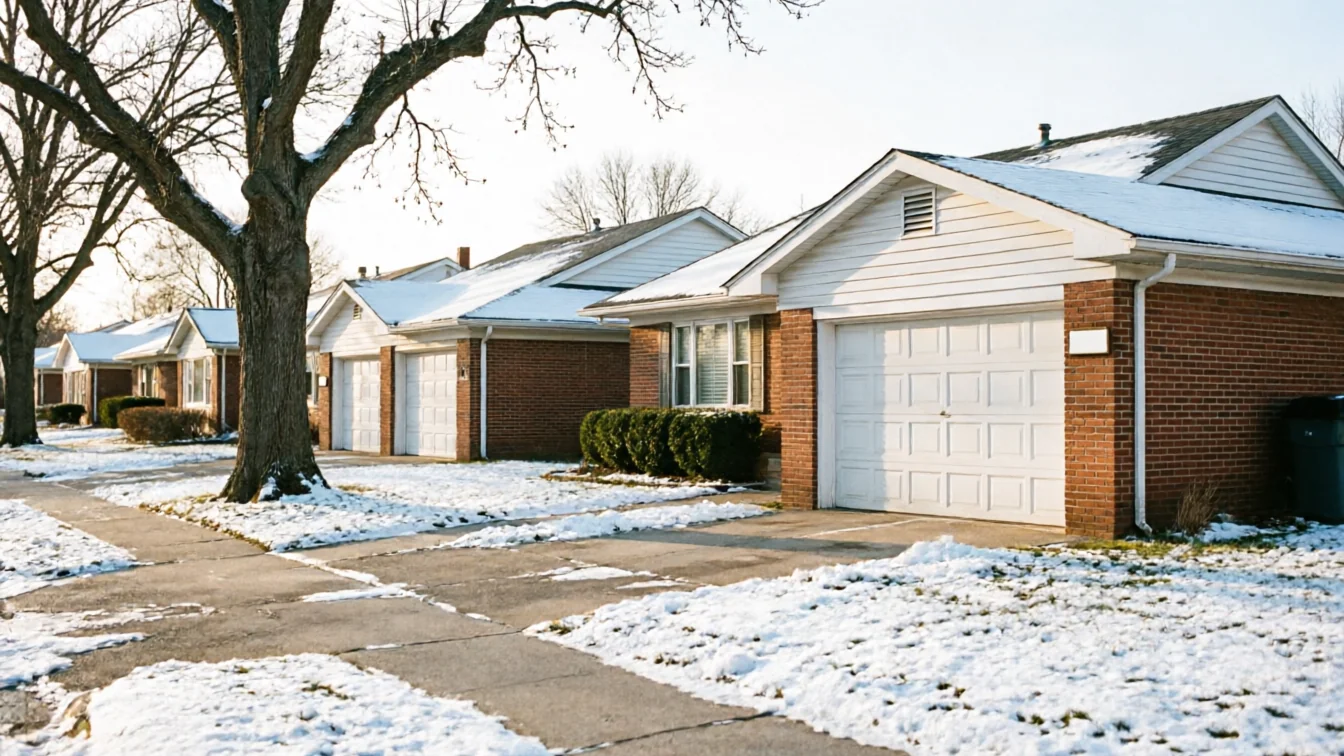
We also see this with the original single-car doors in some of the older pockets of the service area: steel skins over wood frames that have taken forty-plus winters of condensation. Once the bottom panel is soft, there's nothing to bolt new hardware to, and patching it is a short-term fix on a door that's already past its working life.
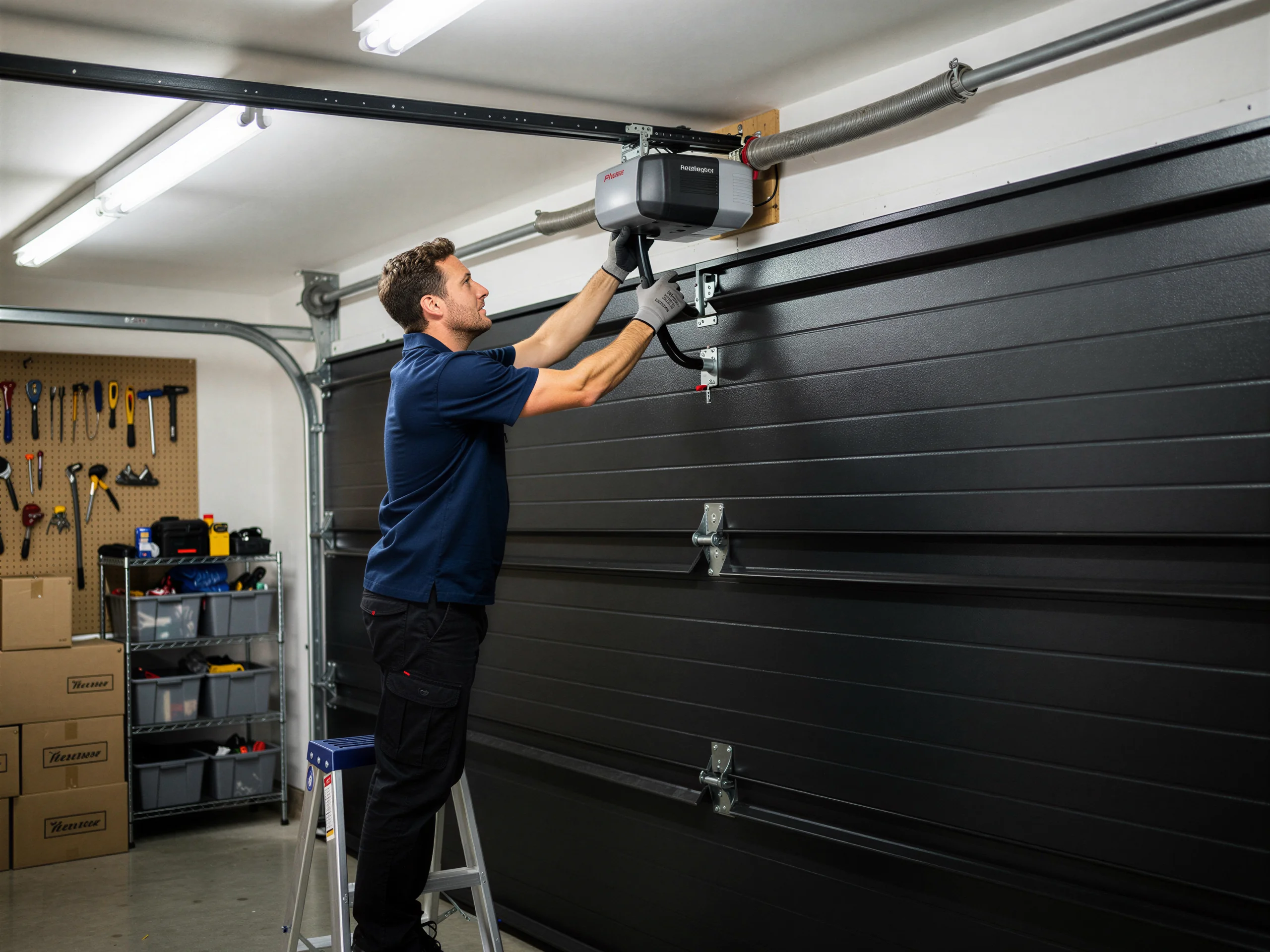
The math is simple enough to do yourself: if the repair quote is running close to half of what a new door costs, and the door is already older than the opener that's driving it, replacement is usually the better call. We'll tell you that straight when it's true, and we'll also tell you when it isn't - plenty of doors from this era still have another decade in them with the right spring and a new set of rollers.