Local detail
What Most People Get Wrong
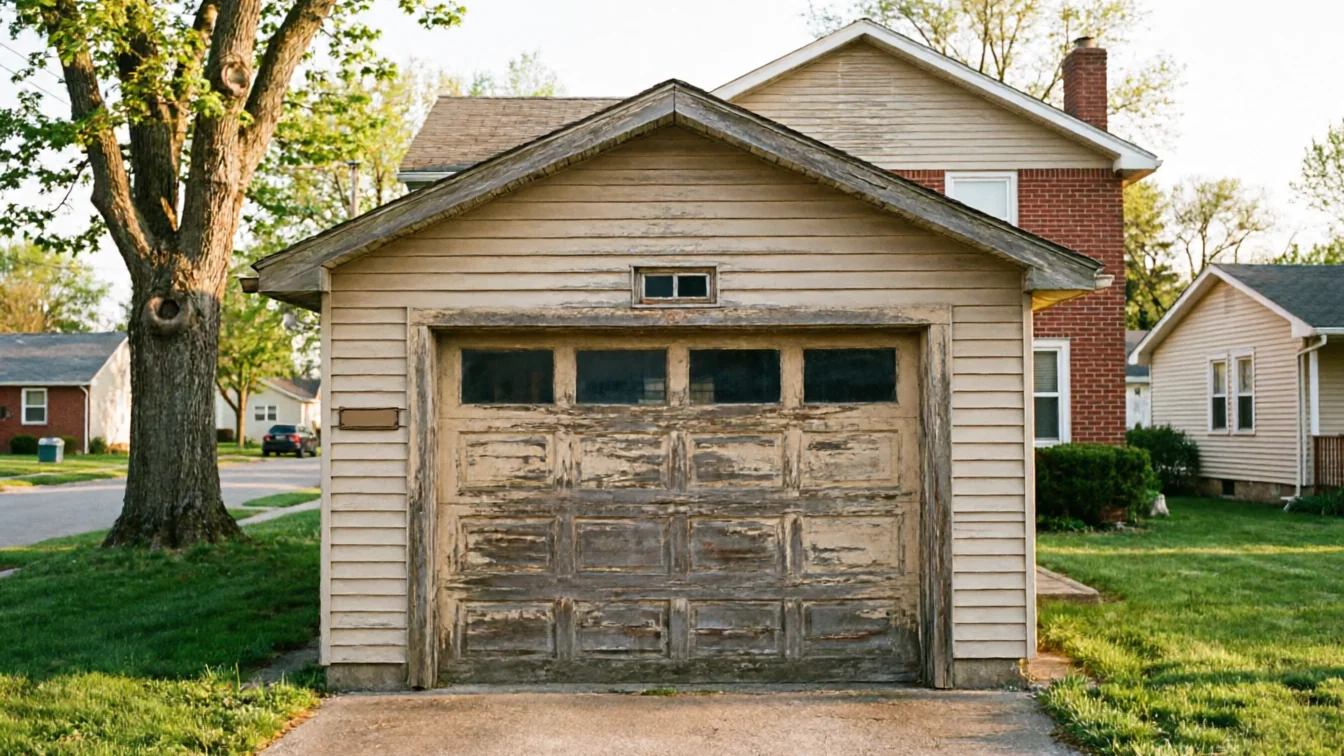
Most calls start the same way: the door won't go up, so the owner assumes the opener is dead and wants a new one ordered before anyone's even looked at the spring. On a house built anywhere from 1938 to 1991, with the bulk of the stock here dating to the 1960s and 70s, the opener is rarely the first thing to fail. It's usually the spring, the cable, or hardware that's been doing its job since the Johnson administration and finally gave out. Swapping the opener first means paying twice - once for a part that wasn't broken, and again when the real problem shows up a week later. A tech worth the call looks at what's original to the house before touching anything electronic. That's not a sales pitch, it's just the order that actually fixes things the first time. The other common mistake is lubricating a noisy track and calling it done. Noise on a door this old is often a symptom of bent track or worn rollers, not dry metal, and oil just delays the honest conversation about replacement parts.
The area
What to Look At First
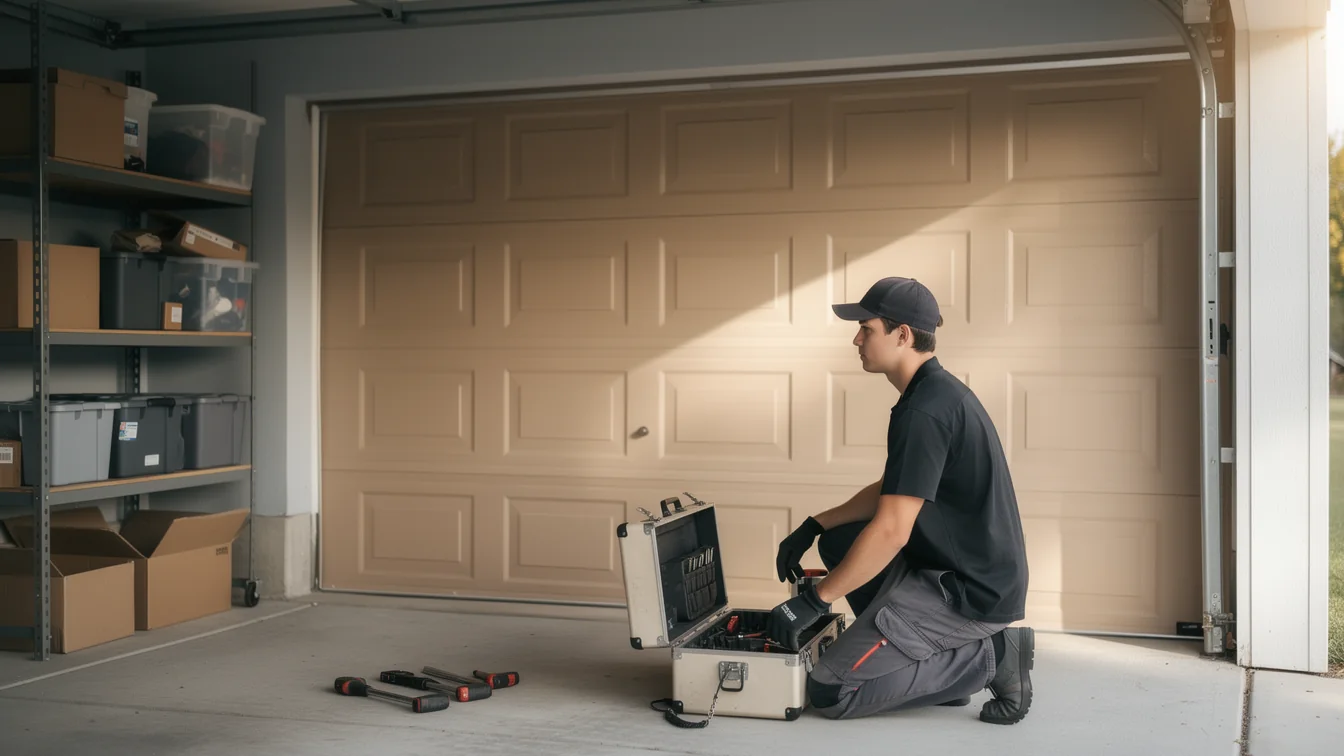
On a house from this era, the first thing I look at is the torsion spring and its mounting plate, because the original hardware on 1960s and 70s builds was never designed for the cycle counts these doors have logged over sixty-plus years. Next is the bottom bracket and cable - on older one-piece and sectional doors alike, that's where rust and fatigue show up first. I check the track alignment against the slab, since decades of settling on older foundations can throw tracks out of plumb by enough to cause binding. Then the rollers: steel rollers from that period are loud and gritty by now, and that sound is often mistaken for an opener problem. Last, I look at the panels themselves for rust-through at the bottom, which is common on doors that have never been replaced since the house was built. None of this takes long, but skipping it is how a simple spring job turns into a slammed door and a bent track.
What we find
What the Weather Here Does to It
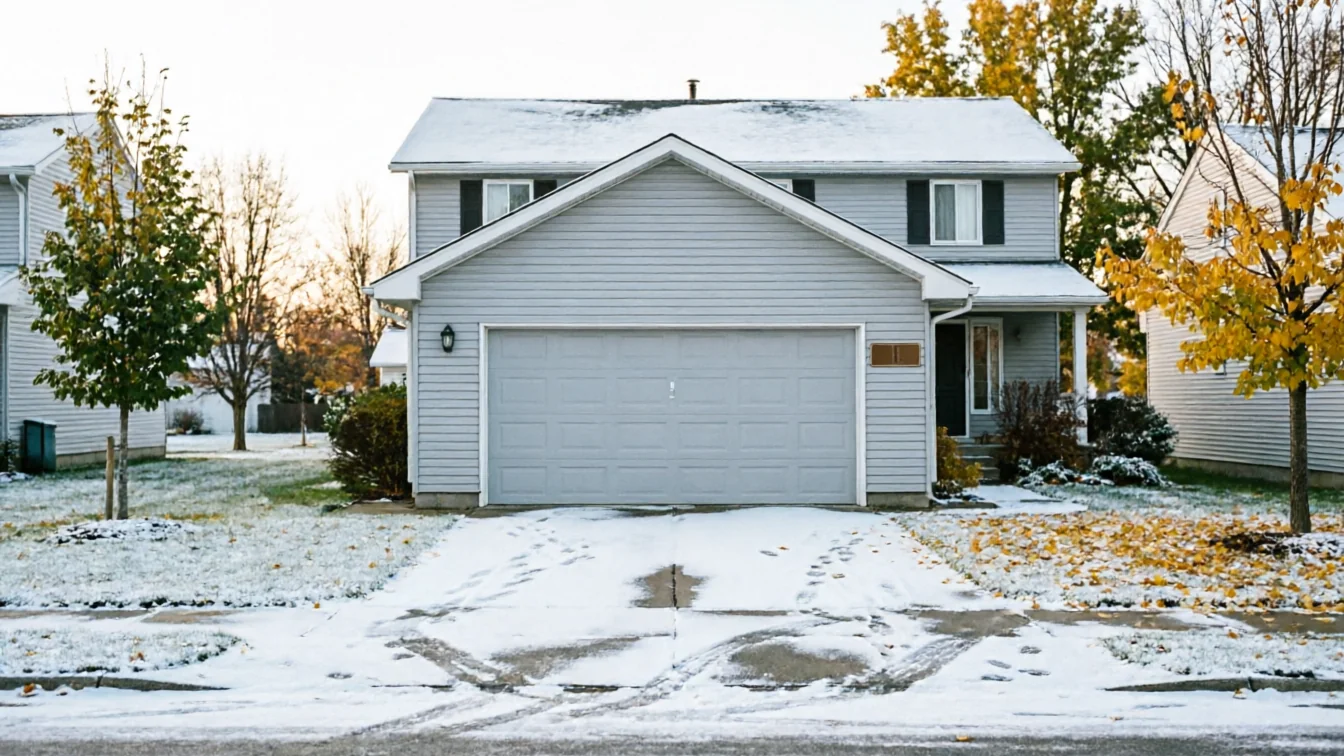
This area sits in a cold, severe climate band, and that matters more for a garage door than most owners realize. Cold doesn't just stiffen the metal - it changes how the torsion spring behaves under load, making a weak spring far more likely to snap on the first bitter morning of the season rather than fail gradually. Moisture that gets into the bottom seal and freezes overnight can also bond the door to the slab, and a motor that pulls against frozen rubber burns out gears meant to lift a door, not break an ice seal. On older housing stock in particular, gaps around the track and jamb let cold air move through more freely than on newer builds, so the hardware sees bigger daily temperature swings. That's a real mechanical stress, not just a comfort issue, and it's why so many spring failures here cluster in the coldest stretch of winter rather than spreading evenly through the year.
How we work
What Is Going On
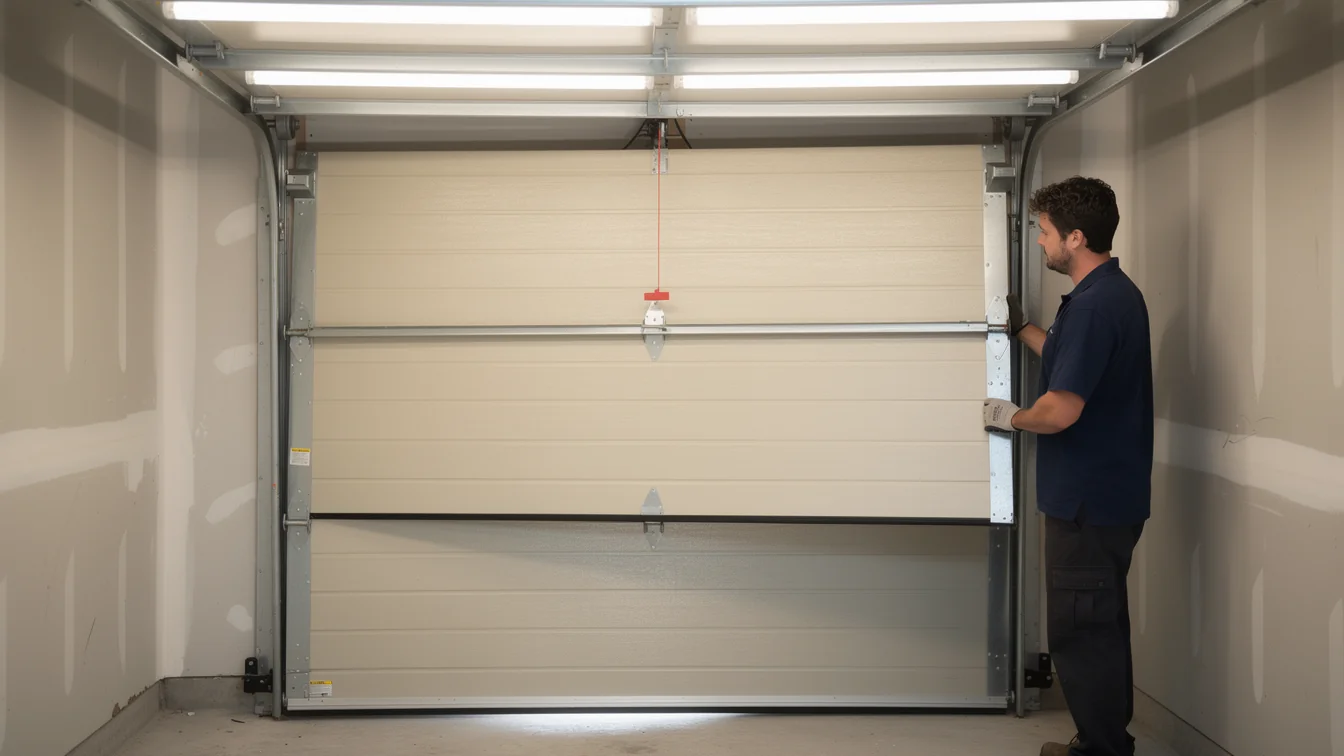
Put it together and the pattern is pretty consistent across the houses we see: original or near-original hardware from the 1960s and 70s building boom, carrying decades of cycles, now getting hit every winter by a climate that's hard on springs and seals. That's not a dramatic story, it's just wear plus cold plus age. The honest limitation here is that not every door is worth repairing - if the track, springs, and panels are all original and all showing fatigue at once, patching one part usually just means another fails within the year, and at that point replacement costs less over time than a string of separate repairs. A tech can only tell you which situation you're in by actually looking at the spring, the track, and the bottom seal, not by guessing from the symptom you called in with.
Talk to a local pro
Garage door trouble in Westland?
Same-day service with honest, upfront quotes.