Local detail
What Most People Get Wrong
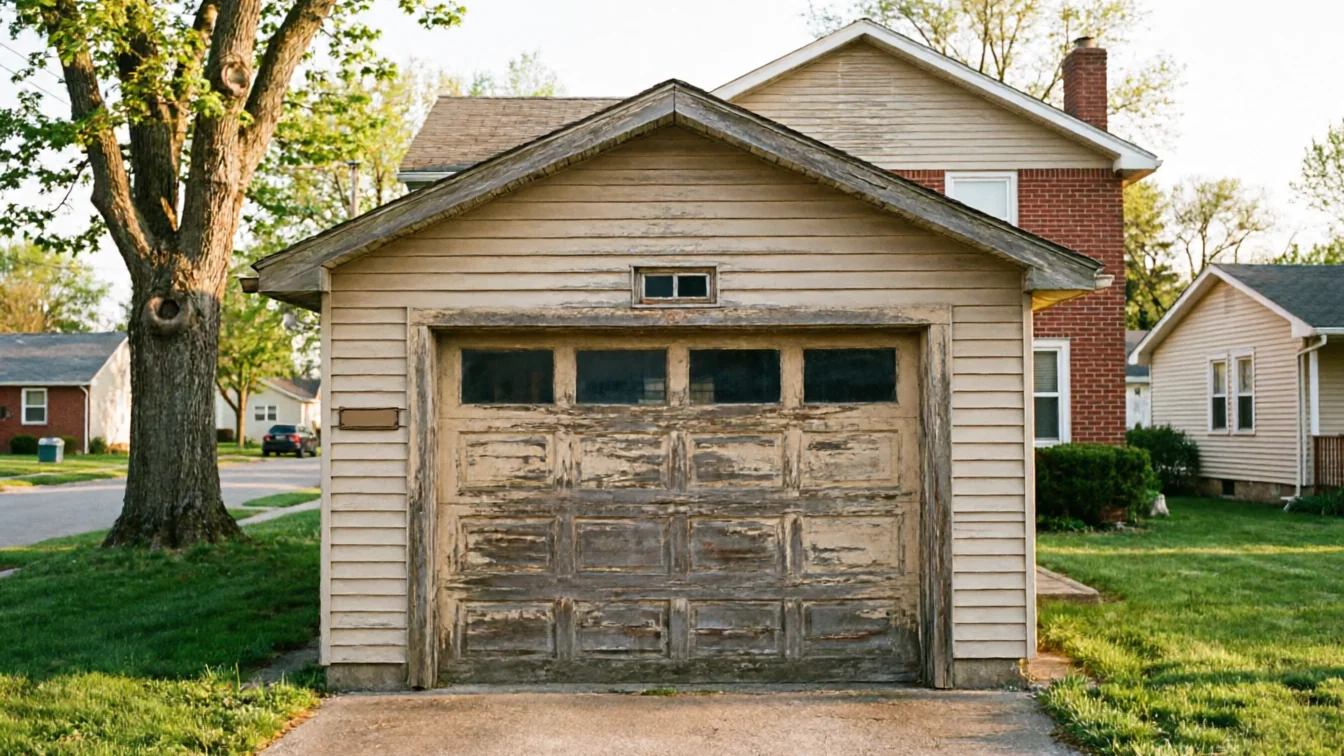
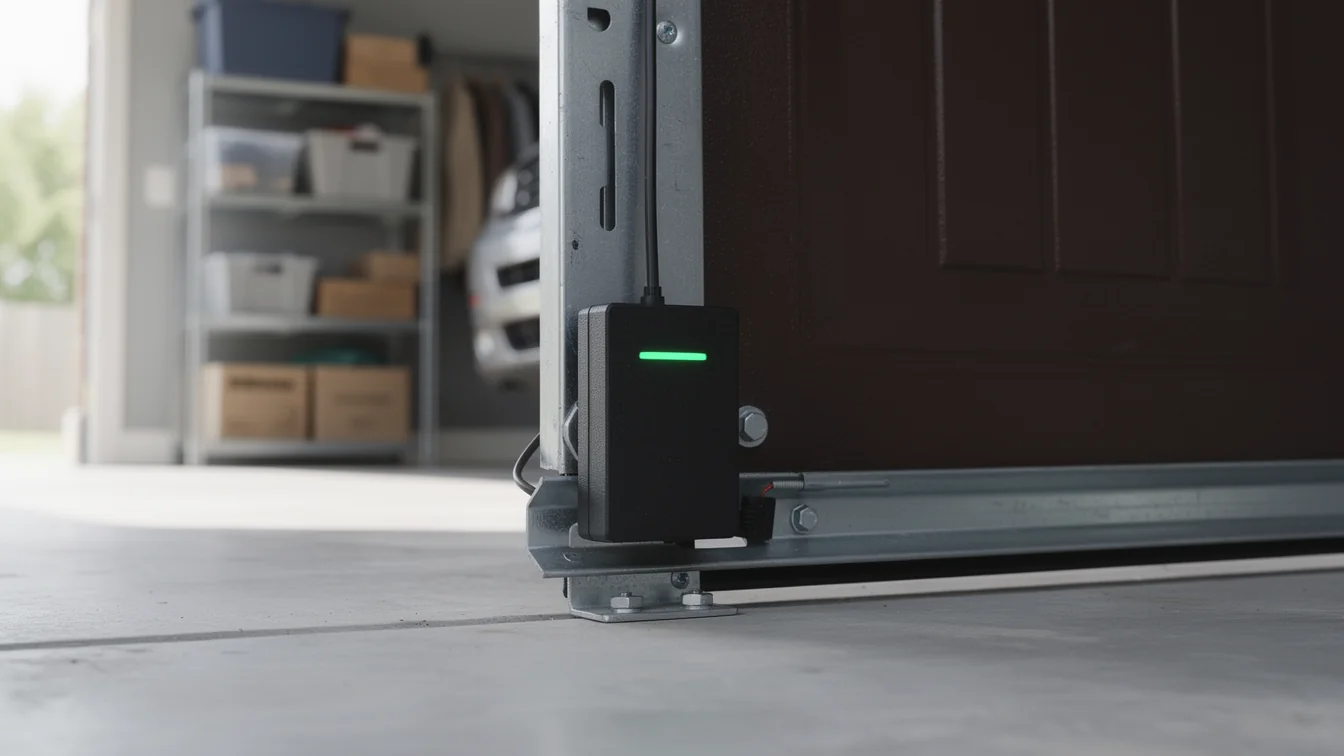
Most homeowners think a sensor that won't line up is a sensor going bad. In Westland, where the bulk of the housing stock went up between 1938 and 1991 with the median build year sitting around 1960, the sensor itself is rarely the problem. The brackets are bolted to wood jambs or the original slab footing, and both of those move over sixty-plus years. A sensor eye that reads as "misaligned" on your opener's diagnostic light is usually just reporting that the bracket it's mounted to shifted a quarter inch from where it sat last spring.
People also assume cleaning the lenses fixes it. Dust and cobwebs do block the beam, and you should wipe both eyes down with a dry cloth before doing anything else. But if the light is blinking a steady pattern that means "aligned but obstructed" versus solid-off meaning "not aligned at all," you're chasing the wrong fix. On houses from this era, the first thing to suspect is the mounting, not the lens.
The other mistake: re-aiming the sensors once and assuming that's permanent. On a slab that moves seasonally, it isn't. Expect to recheck alignment a few times a year, not once and done.
The area
What to Look At First
Start at the bracket, not the eye. On the older stock common through Westland's neighborhoods, sensor brackets are often the same small L-brackets from the original install, sometimes still held with the original screws into wood that's dried out and loosened its grip over decades. Grab each bracket and see if it wiggles. If it does, that's your drift source, not a failing sensor.
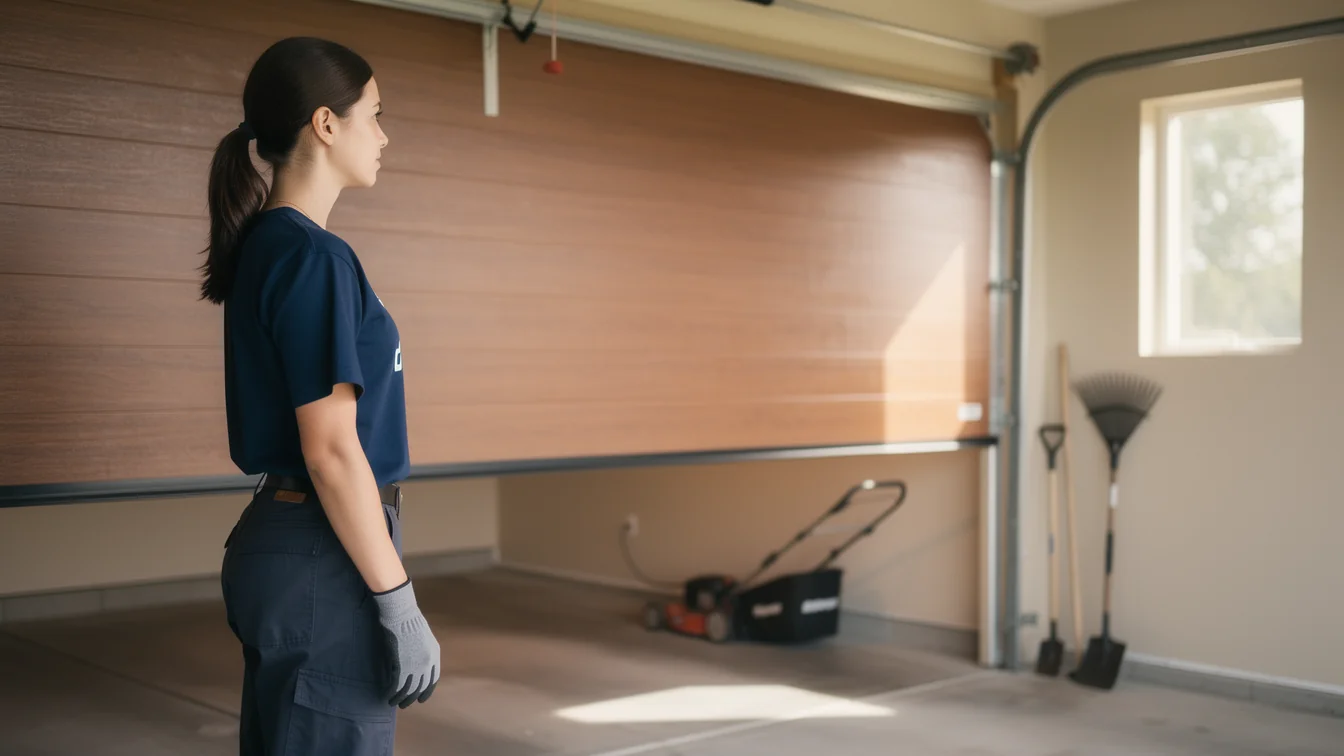
Next, check the track behind each sensor. Houses built in the 1960s-70s wave that makes up most of this area's garages typically have steel track bolted to wood framing rather than a poured, reinforced opening. Track brackets loosen, and when a track shifts even slightly, it pulls the sensor mounted near its base out of plane with the eye across the door.
Last, look at the slab itself where the track anchors meet the floor. A gap opening up between the concrete and the bottom plate, or visible settling on one side of the opening, tells you the whole frame has racked slightly. No amount of lens cleaning fixes a racked frame. If you see that kind of movement, it's worth a call rather than a DIY re-aim, because the fix is structural, not electrical.
What we find
What the Weather Here Does to It
Westland sits in a cold-climate zone with real seasonal freeze-thaw cycling, and that's the mechanism behind most of this drift. Water under and around a slab-on-grade foundation freezes, expands, and heaves slightly through winter, then settles back as it thaws in spring. A garage floor poured flush to grade, which is standard for houses of this vintage, takes that movement directly. The track and the sensor brackets anchored to it move with the slab, a few hundredths of an inch at a time, season after season.
This is why sensor complaints cluster in late fall and early spring here rather than mid-summer. The door that worked fine in August starts throwing a blinking light in November because the ground under one side of the slab just finished its first hard freeze of the year. It's not a coincidence tied to colder air affecting the electronics; the sensors themselves tolerate cold fine. It's the concrete moving underneath them.
If your garage sits on a corner lot or near a downspout that dumps water close to the slab, expect more movement than a garage on a flatter, better-drained lot, since more water means more freeze expansion at that edge.
How we work
What Is Going On
Put together, you've got sixty-year-old framing, slab movement from a real cold climate, and brackets that were never designed to be re-leveled. That combination is why sensor alignment on an older Westland garage isn't a one-time fix. The honest limitation here: if your bracket mounts are stripped out or the wood behind them has gone soft, a re-aim won't hold, and no amount of patience with the adjustment screws will change that. At that point the bracket needs to be remounted into solid material, sometimes with a different anchor than what's there now.
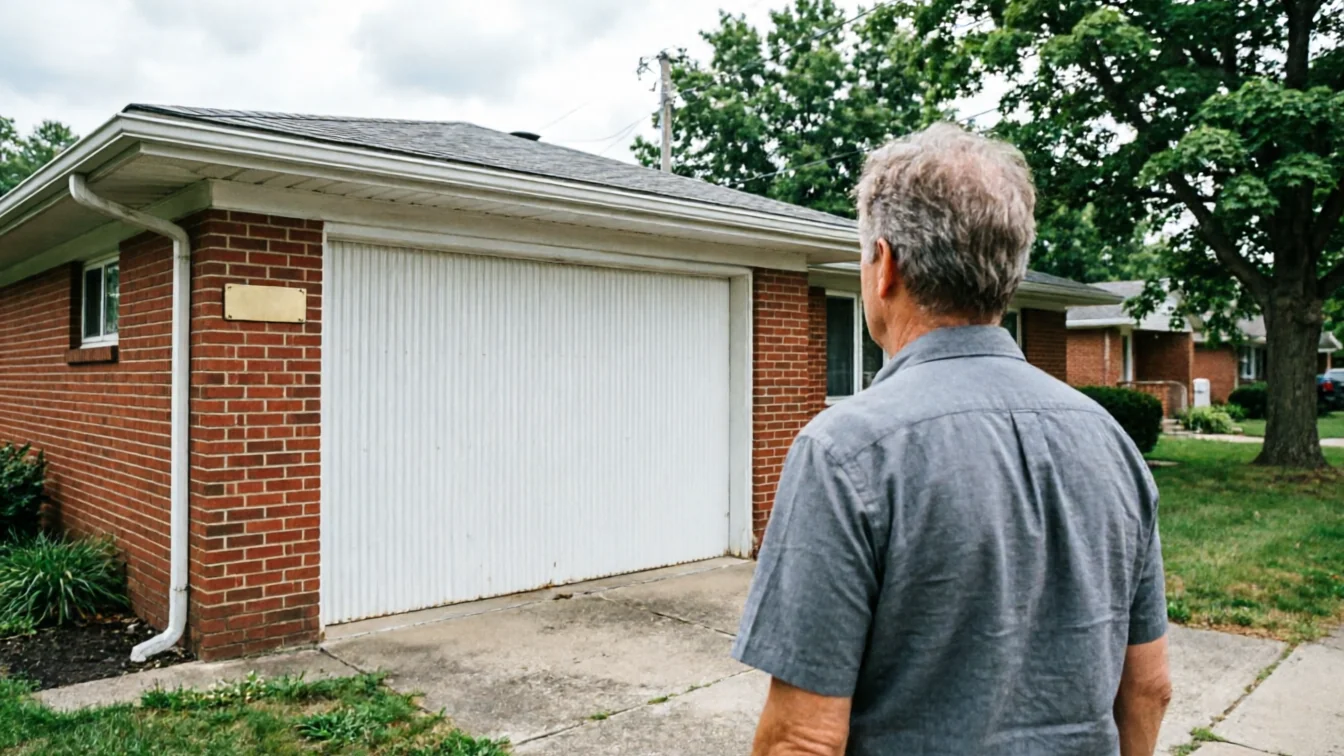
If you're in Garden City, Wayne, Inkster, or Dearborn Heights, the same housing era and the same freeze-thaw pattern apply, so the same diagnosis holds. Further out toward Plymouth or Northville you'll see more newer construction mixed in, where this is less of an annual issue.
For most Westland garages, a seasonal check - bracket tightness in October, a re-aim in April - costs you ten minutes and saves a call.
Talk to a local pro
Garage door trouble in Westland?
Same-day service with honest, upfront quotes.