Local detail
What Most People Get Wrong
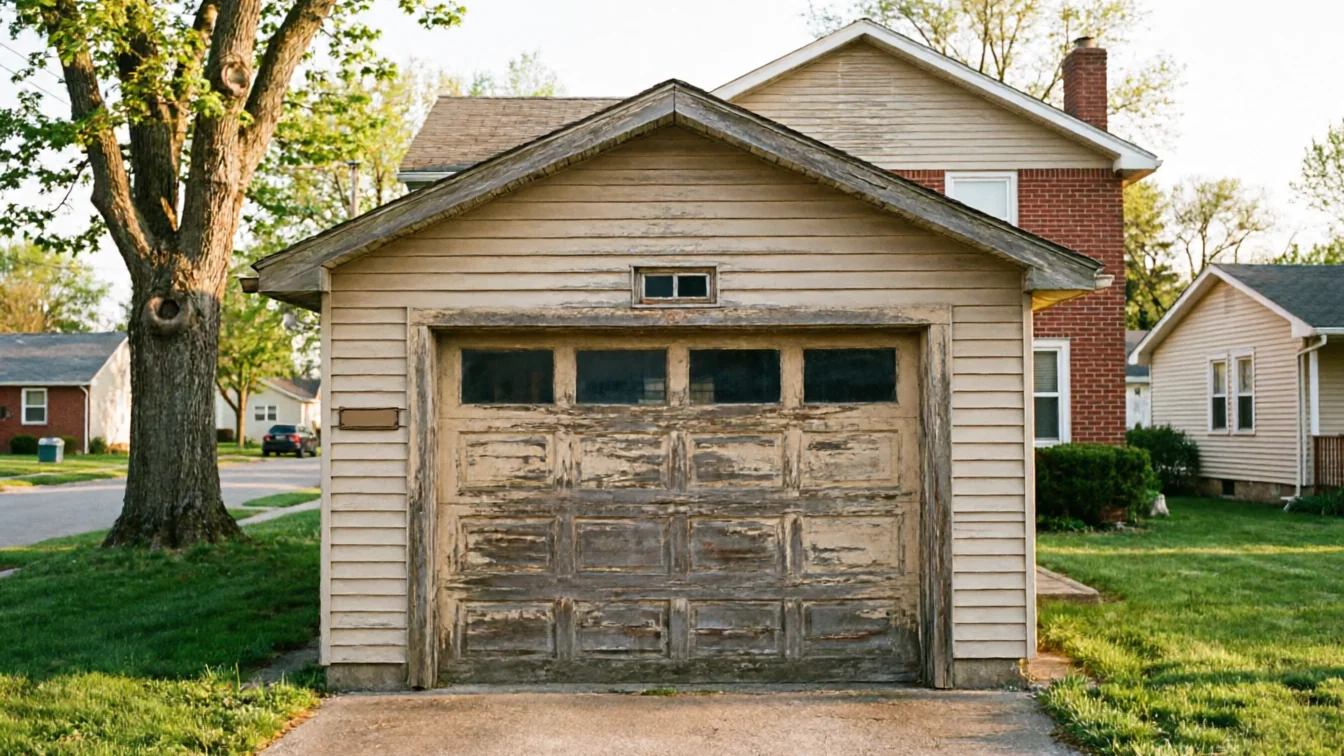
The biggest mistake we see is treating every noise the same way: turn the music up, back the car out faster, wait for it to get worse before calling. In Westland that habit costs more than it should, because most houses here were built between 1938 and 1991, with the bulk of that stock going up in the 1960s and 70s. That means a lot of garages still have hardware from that era, or replacement parts installed to match it. A noise that would be background static on a door installed five years ago is often the last warning on a door that old. People also assume a noisy door just needs oil. Sometimes it does. More often the sound is telling you a roller has worn through its bearing, or a spring is a season from snapping, and lubricant just buys you a quieter couple of weeks before the same failure happens anyway. We'd rather tell you that up front than sell you a can of spray and a callback.
The area
What to Look At First
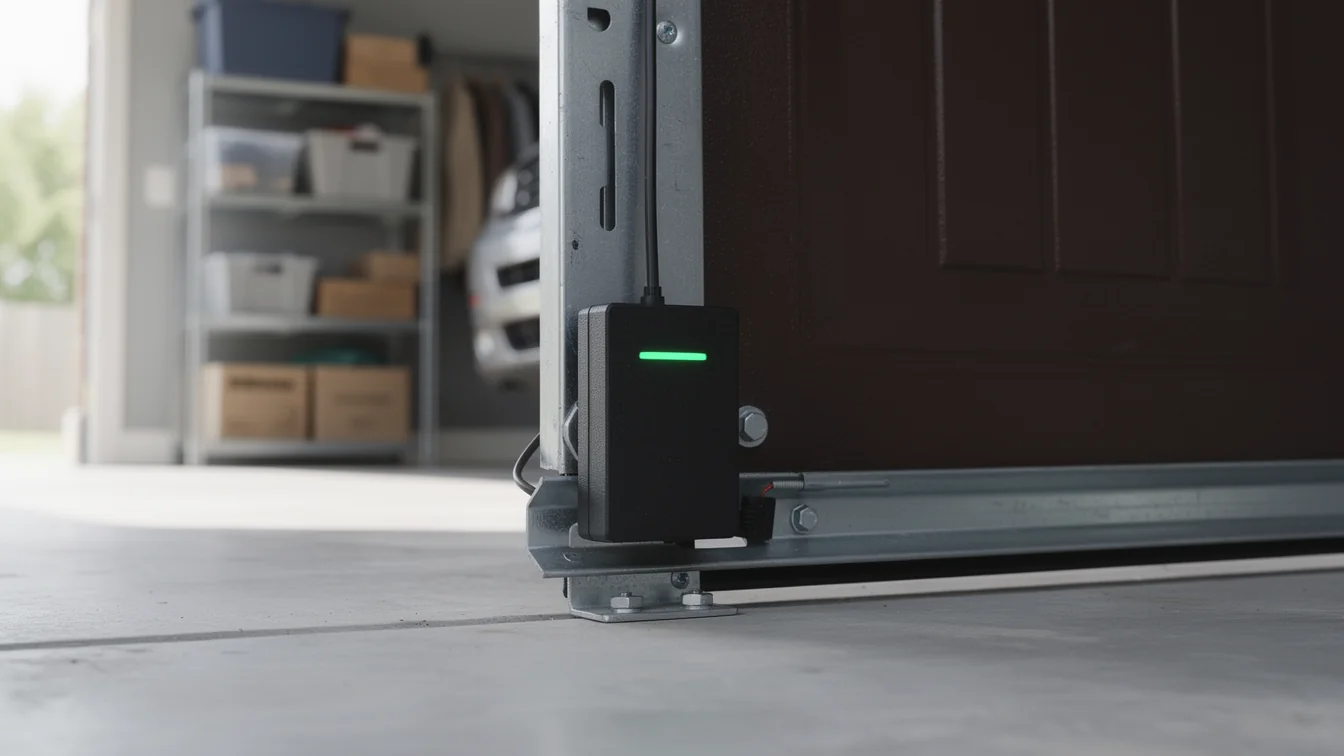
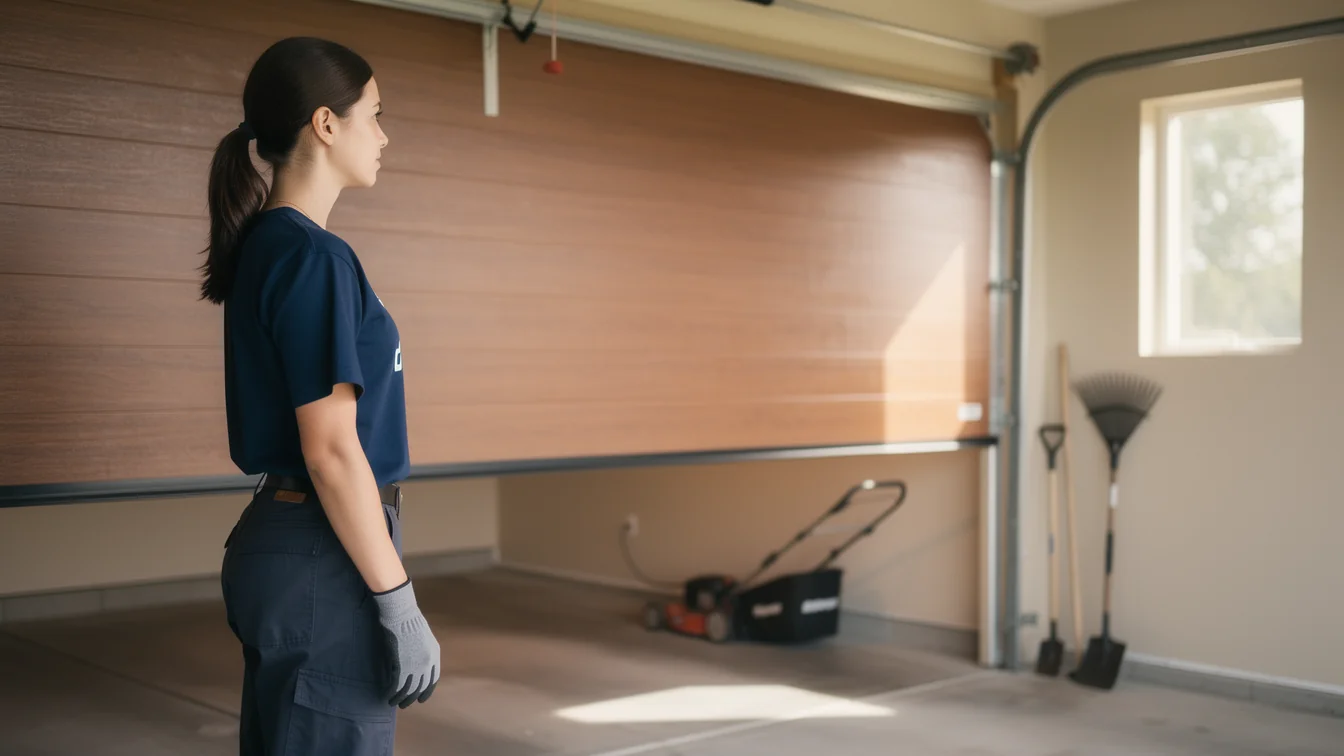
Before you call anyone, stand in the garage and watch the door go up and down once. Look at the two vertical tracks on either side, especially where they bolt to the wall studs - on houses from the 1960s and 70s that bracket hardware has usually never been replaced. A track that flexes or pulls away from the wall as the door passes will bang at that exact spot every single cycle. Next look at the rollers themselves. Steel rollers from older installs develop flat spots and get louder as the flat spot grows; nylon rollers crack and chip instead. Check the hinges between panels for rust streaks running down the panel face, which usually means the hinge pin is wearing in its hole. None of this requires tools, just five minutes and good light. If you see movement at the wall brackets, that's worth a call before anything else on this list, because a bracket that lets go mid-cycle can drop the door.
What we find
What the Weather Here Does to It
Westland sits in a climate band classified as severely cold, and that matters more for a garage door than most homeowners expect. Steel contracts in cold temperatures, which tightens tolerances on torsion springs and the metal track they ride in. A spring that was quiet in August can start grinding in January simply because the coils are sitting closer together than they were designed to under load. Grease inside the opener's gear housing and in the hinge pins also stiffens as temperatures drop, which is why a lot of the squeal and groan calls we get cluster in the colder months rather than spread evenly across the year. Cold doesn't create a problem that wasn't already there - a healthy spring on a healthy track stays quiet in January too - but it does take a worn part that was marginal in summer and turn it into one that fails. If your door got noisier the same week the temperature dropped, that's not a coincidence, and it's not something a thicker grease fixes on its own.
How we work
What Is Going On
Different sounds point to different parts, and it's worth knowing the difference before you decide whether to call. A sharp metallic bang, usually once, usually loud enough to hear from the street, is almost always a torsion spring letting go - don't put a hand near it, and don't try to run the door on the opener until it's replaced. A rhythmic thunk on every rotation of the track is a flat-spotted roller, which is a cheap fix. A grinding or rattling hum from the ceiling near the opener is often a worn gear inside the opener housing, which on an older unit sometimes means the opener itself is closer to the end of its life than the door is. A high squeal that rises and falls with the door's speed points to the hinges or the roller bearings drying out. One honest limit here: if the noise is coming from inside a sealed opener gear case, we can tell you what it probably is from the sound, but we won't guess at a fix over the phone - that one needs eyes on it.
Talk to a local pro
Garage door trouble in Westland?
Same-day service with honest, upfront quotes.