Local detail
What Most People Get Wrong
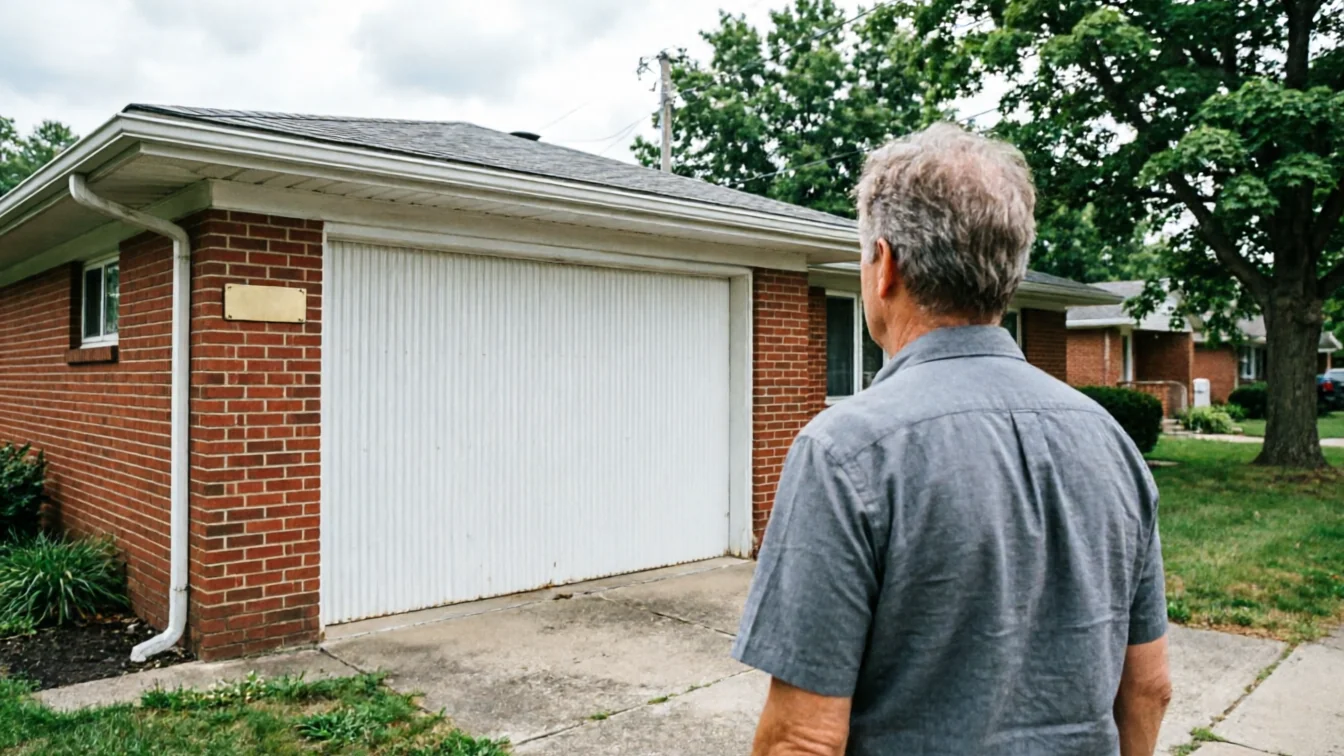
Most homeowners assume a door jumped its track because a roller snapped or someone backed into it. Sometimes that's true. But in a city built mostly between 1938 and 1991, with the bulk of the stock going up in the 1960s and 70s, the more common cause is slower and less dramatic: the track brackets were lag-bolted into jamb framing that's had sixty-plus years to shift. Houses settle. Door frames rack a few degrees out of square. The track was plumb the day it was installed; it may not be plumb now. People chase the symptom - a roller popping out, a door binding on one side - and replace the roller without ever checking whether the track itself has drifted off the wall. You can swap every roller in the door and it will still jump if the vertical track is bowed or the bracket screws have worked loose in old, dried-out framing. That's the part that gets missed on a house this age.
The area
What to Look At First
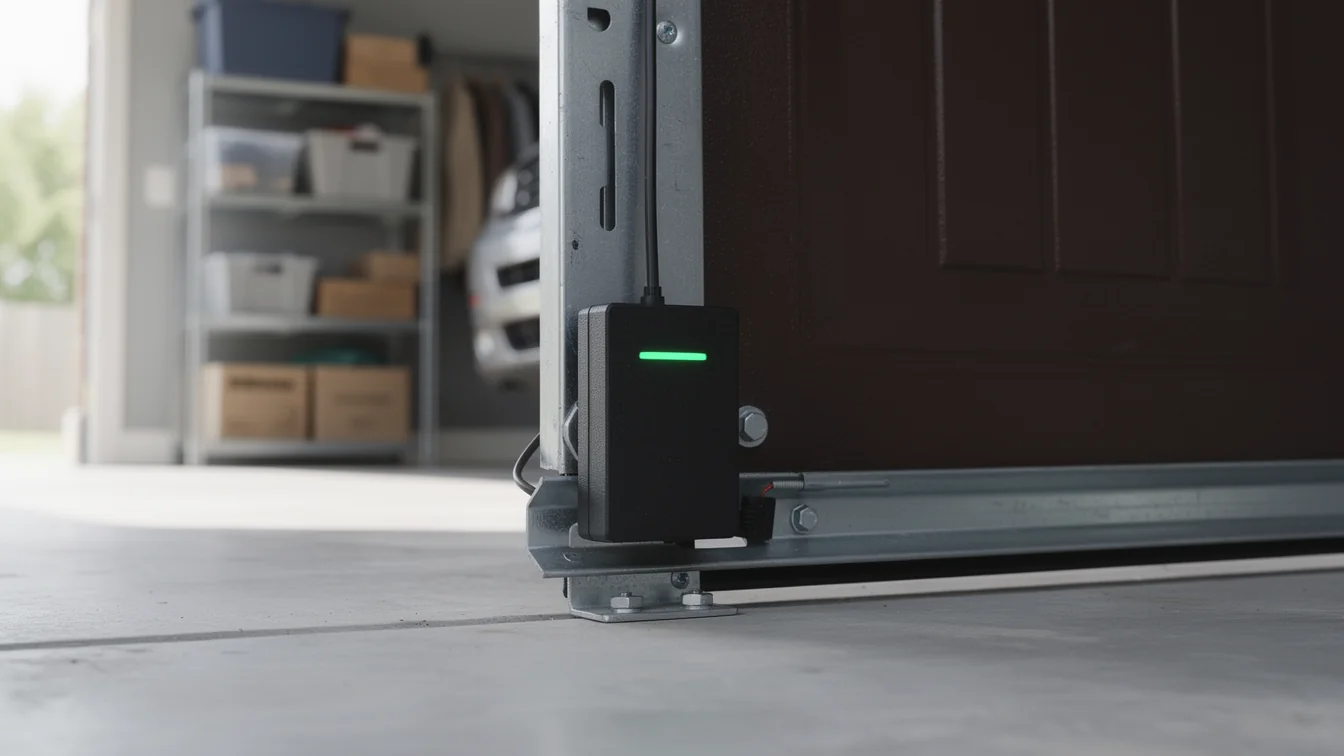
Before you touch a roller, look at the track itself. Stand the door open halfway and sight down each vertical track from the floor up - in a lot of the original 1960s construction around here, the track brackets are the original hardware, lag-bolted straight into framing that's dried and shrunk over decades. Loose bolts let the whole track flex sideways under load, and that flex is what throws a roller. Check the horizontal track-to-vertical track junction too; that bend point takes the most stress and is the first place to show gap or misalignment. If the gap between roller and track looks uneven top to bottom, the track is bowed, not the roller. A door that's been fighting a bent track for months will also show flat spots worn into the rollers themselves, which is a separate repair once the track's been reset.
What we find
What the Weather Here Does to It
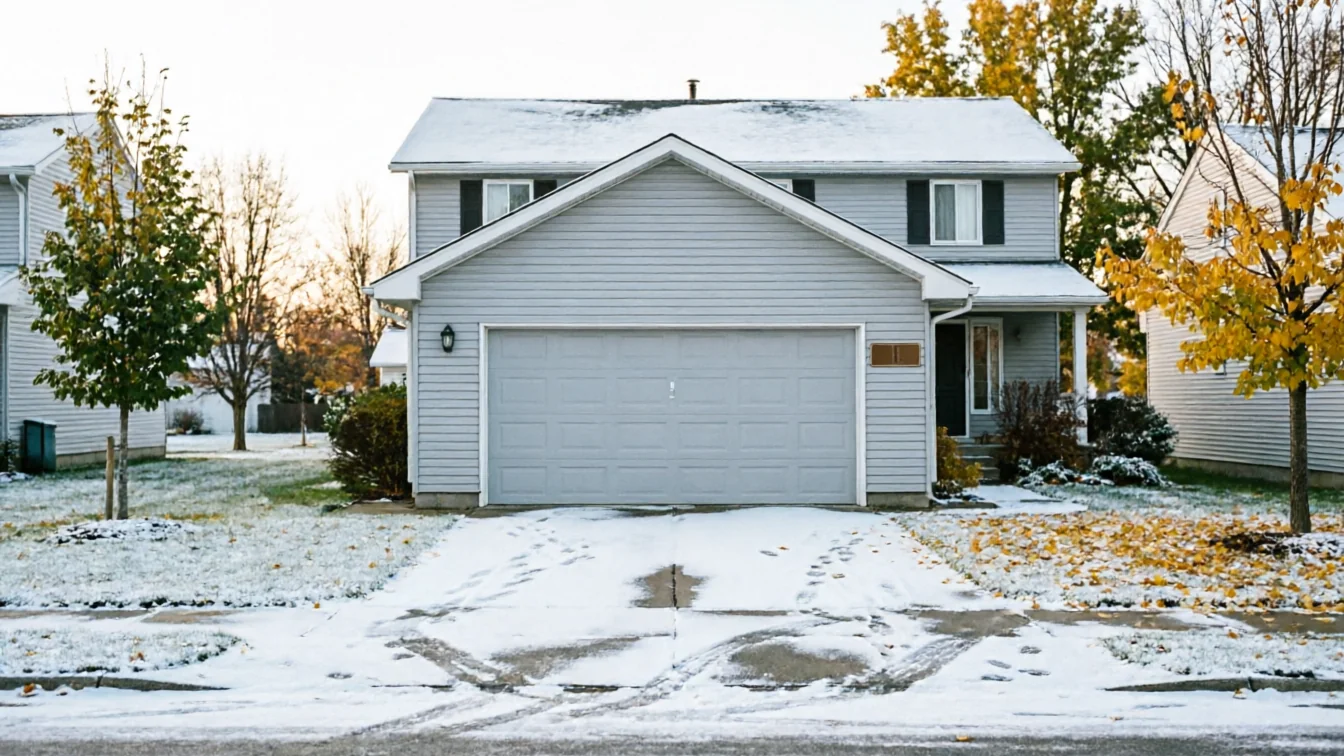
This area sits in a cold, severe climate band, and that matters more to a garage door than most people think. Steel track contracts in deep cold, and on an older house where the bracket bolts are already loose from decades of settling, that contraction is enough to pull a bracket a sixteenth of an inch away from the jamb. Repeat that cycle every winter for fifty-plus years and the track ends up measurably out of plane even though nobody ever saw it move. Ice is the other piece - a thin sheet built up at the base of the track from melt and refreeze will stop a roller cold, and the door either hangs up or a panel keeps pushing until something gives at the bracket. On a 1960s or 70s door with original hardware, that's usually where it gives.
How we work
What Is Going On
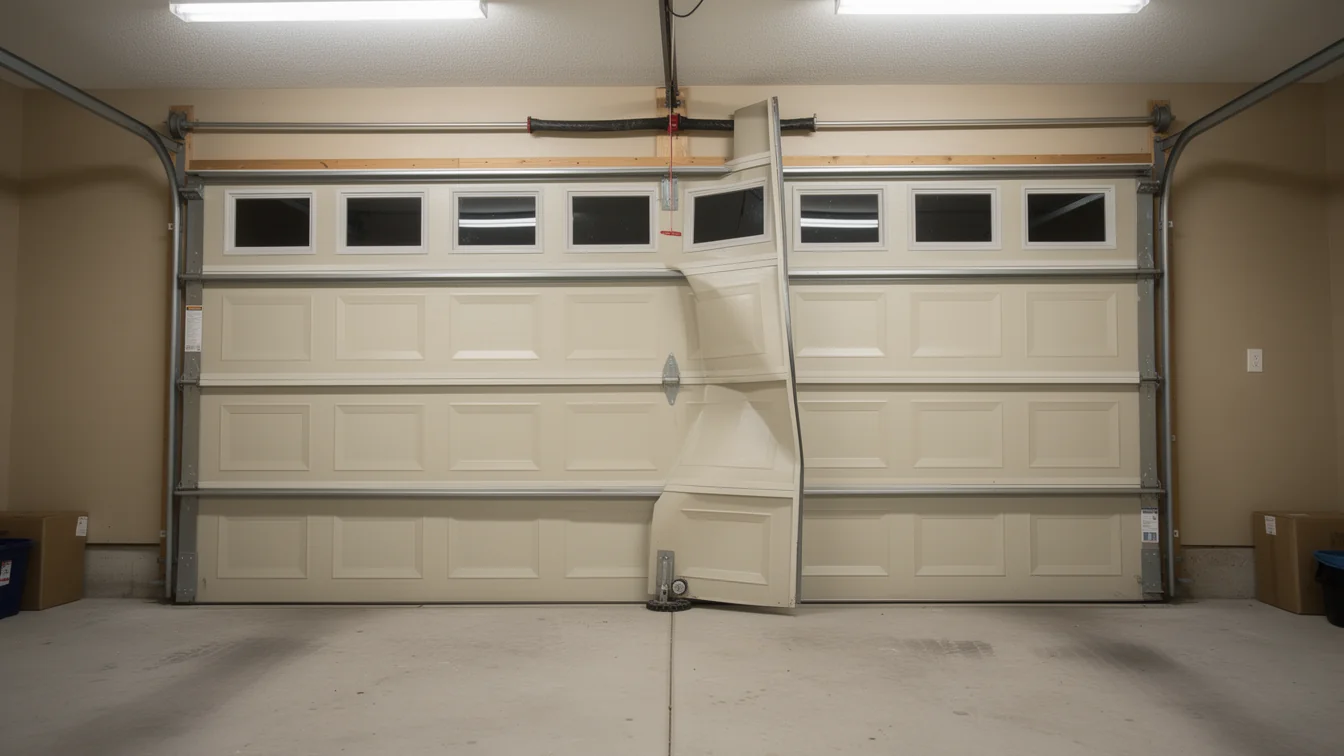
Put the two together - a frame that's had sixty years to settle and a climate that puts steel through a hard freeze-thaw cycle every winter - and a track drifting out of alignment isn't a defect, it's close to expected on a house of this age in this area. The fix is usually re-shimming and re-bolting the brackets to plumb, not a new track, unless the steel itself is bent or the framing behind it has rotted. I won't sell a full track replacement on a door where tightening and realigning the existing brackets solves it - that's money you don't need to spend. Where I do recommend replacement is when the vertical track is visibly bowed or when flat-worn rollers have been grinding a groove into the track rail for a long time; at that point realignment won't hold.
Talk to a local pro
Garage door trouble in Westland?
Same-day service with honest, upfront quotes.