
Westland, MI
Garage Door Repair for Westland's 1960s Housing Stock
Westland homes built mostly in the 1960s run original torsion hardware that wasn't made for Michigan cold. Here's why doors fail and what we carry to fix them.
Why It Happens Here
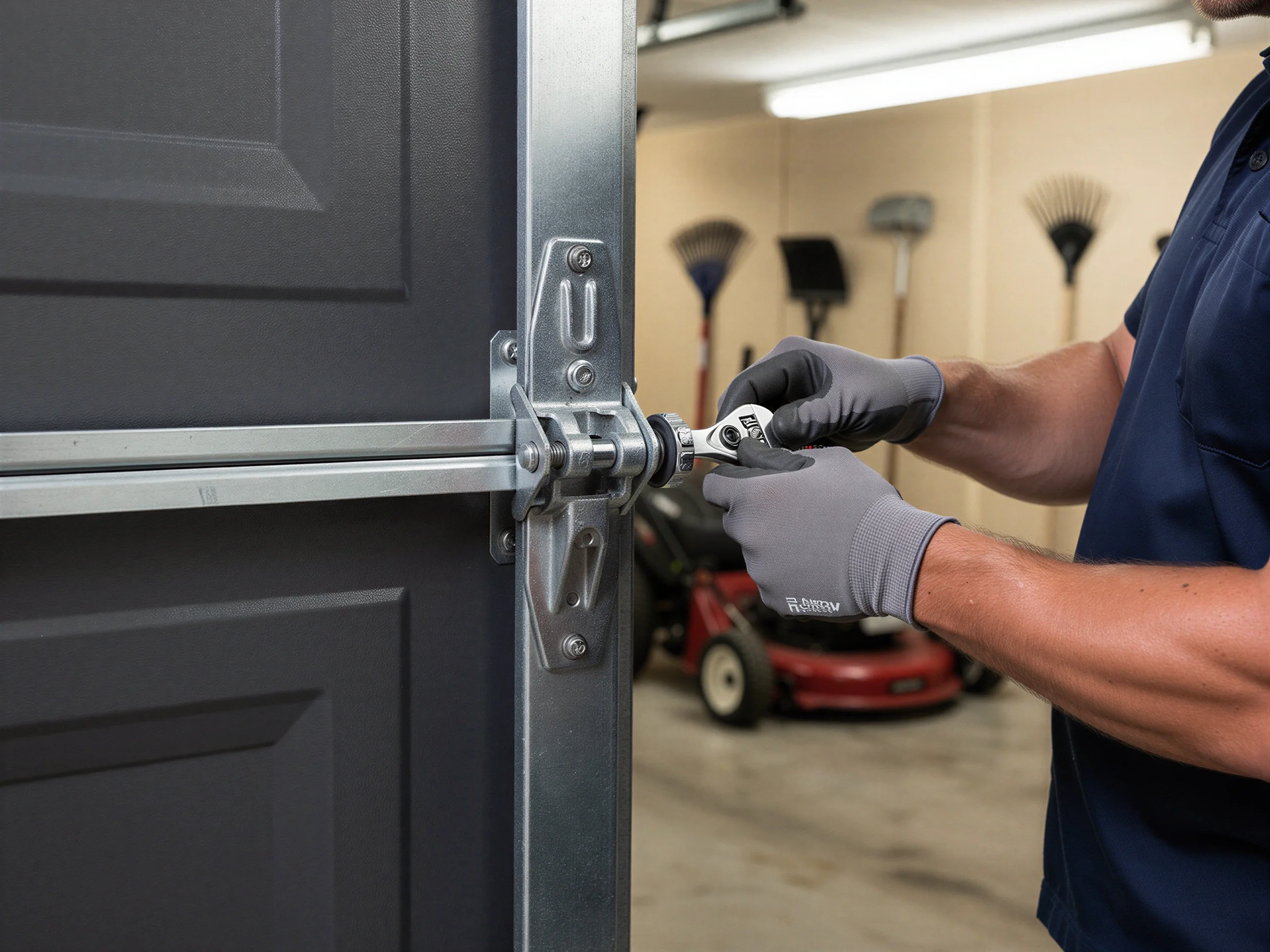
Most of the houses on this side of Wayne County went up between 1938 and 1991, with the bulk of that stock landing around 1960. That matters because a garage door built or retrofitted in that era almost always runs a single torsion spring sized for the lighter steel doors of the time, mounted on a center bearing plate that was never meant for 60 years of daily cycles.
Add in the climate band here, which the federal data flags as severe cold, and you get a second problem stacked on the first. Steel contracts in deep cold, torsion springs lose a measurable amount of lift in sub-freezing temps, and the grease in a 30 or 40 year old bearing thickens up until the opener is straining against a door that barely wants to move. That's a different failure pattern than you'd see in a warmer region with newer housing - it's not one thing breaking, it's an old spring and a cold snap arriving on the same morning.
We see this cluster hard in late January and early February, right when the hardware is already fatigued from a fall of normal use. The door doesn't fail because it's old in the abstract. It fails because old steel and cold steel behave differently, and this area has a lot of both.
How It Shows Up
The most common call we get from this kind of house is a door that reverses itself a few inches off the floor, or one that opens fine in the afternoon and won't budge at 7am.
Lost spring tension signs
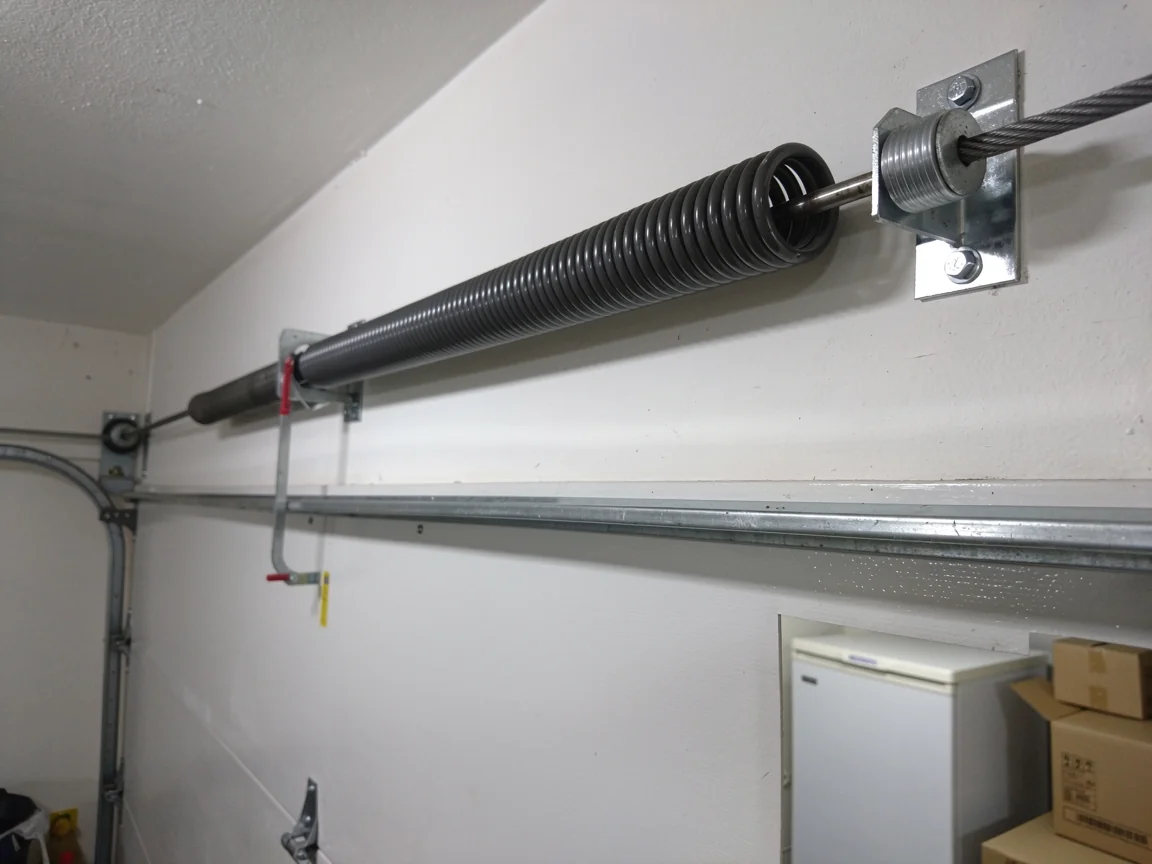
Both point to a spring that's lost tension - the opener senses resistance it was never designed to fight and backs off rather than straining the motor. You'll also hear it before you see it. A torsion spring on its way out tends to get louder first: a grinding or clunking on the way up as the coils bind unevenly.
Shaft twist from uneven bind
On the older single-spring setups common in this housing stock, that uneven bind also tends to twist the shaft slightly, which shows up as a door that sits crooked in the opening by a half inch or so. A third pattern, less dramatic but just as common, is the cable fraying at the drum.
Pitted original drums chew cable
On houses from this build era the drums are often the original galvanized ones, and 60 years of exposure to temperature swings leaves them pitted enough to chew through a cable faster than a newer drum would. None of these are emergencies if you catch them early. All three get dangerous fast if the door is cycled with worn hardware under tension.
What Is on the Truck
Because so much of the housing here runs the same era of torsion hardware, we keep a working stock of the spring sizes that match 1960s and 70s builds - the kind of door weight and drum diameter you'd find on an original one-piece or early sectional steel door, not the lighter modern equivalents.
Parts chosen for local failures
That's a deliberate choice based on what actually breaks in this service area, not a generic parts list. We also carry standard-duty cables, galvanized drums, and center bearing plates sized for those older openings, plus the rollers and hinges that wear out alongside them.
Custom sizes need ordering
What we don't stock on the truck is anything custom - a non-standard door width or a specialty insulated panel usually means a special order, and we'll tell you that up front rather than make you wait on-site while we guess.
Bent torsion shaft limits
One honest limit: if a spring has already let go and the door is down with the cable wrapped or the torsion bar bent, that's not always a same-visit fix. Sometimes the shaft itself needs replacing, and that part isn't something every truck carries in every size. We'd rather tell you it needs a return trip than force a part that doesn't fit.
What It Costs
We're not going to put a number here that we can't back up, so we won't invent one. What we can tell you is what drives the cost on a typical call in this area: whether it's a single spring or a matched pair on a double-wide door, whether the drums and cables need replacing alongside the spring, and whether the bearing plate has worn enough to need swapping too.
Households in this service area have a median income a bit above $72,000, which puts most repairs within the range of a planned expense rather than an emergency loan - but we still size the job to what's actually broken, not to what the house could bear. A worn roller and a snapped spring are two very different invoices even on the same door.
The honest trade-off is repair versus replacement. On a door old enough to match the 1960-ish housing stock common here, if you're facing a second major repair within a couple years - spring, then opener, then track - it's often cheaper over time to replace the door rather than keep patching 60-year-old hardware piece by piece. We'll say that plainly when it applies instead of running up a string of small fixes.
Questions
Common questions
Why does my garage door act up more in the winter?
Cold steel loses flex and torsion springs lose measurable lift when temperatures drop, which is exactly the climate band this area sits in. On a house built around 1960 with original-era hardware, that cold plus six decades of wear is usually what pushes a tired spring past the point where the opener can compensate.
Is a crooked door an emergency?
Not usually, but don't ignore it. A door sitting unevenly in the opening on a torsion-spring setup often means the shaft is binding or the spring has partially let go. It can still be operated carefully for a short time, but it should get looked at before someone cycles it under full load.
Do you work on older one-piece doors, not just sectional ones?
Yes - a lot of the housing in this service area dates to the 1960s and 70s, so we keep spring and hardware sizes on the truck that match that era's doors, including older one-piece setups, not just modern sectional panels.
What if the part my door needs isn't on the truck?
It happens with custom widths or older bent shafts. We'll tell you on-site rather than force a part that doesn't fit, and we'll get the right one ordered for a follow-up visit.
Explore more
Explore More Services In Westland, MI
Garage Door Service for Westland's Older Housing Stock
Garage door repair and tune-up service built around Westland's 1960s-era housing stock and cold winters. Learn more →
Opener Installation for Westland's Older Garages
Opener installs built for Westland's 1960s-era garages and cold winters. Learn more →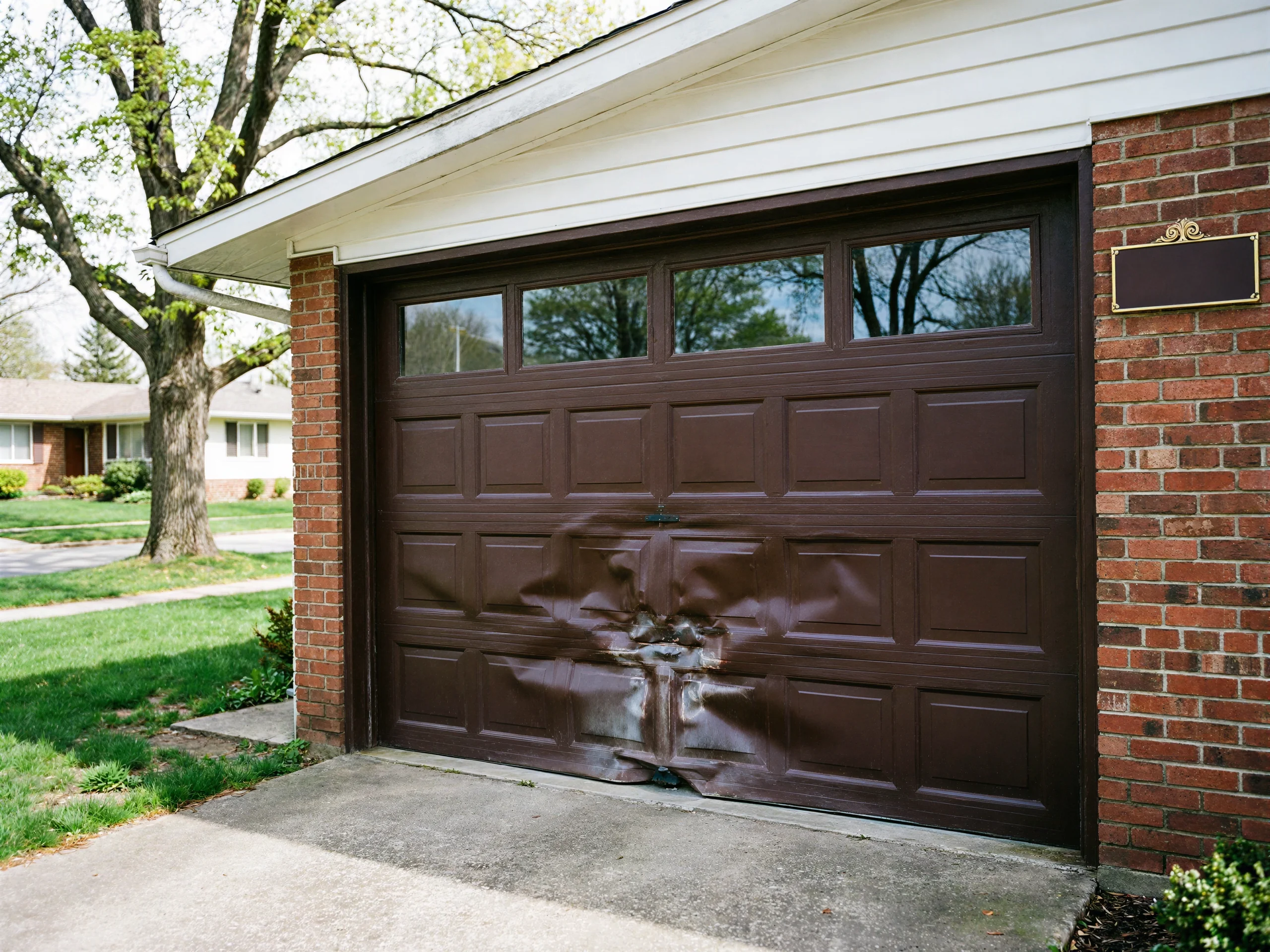
Garage Door Panel Replacement for Westland Homes
Dented or rusted panels on Westland's 1960s-era garage doors. Learn more →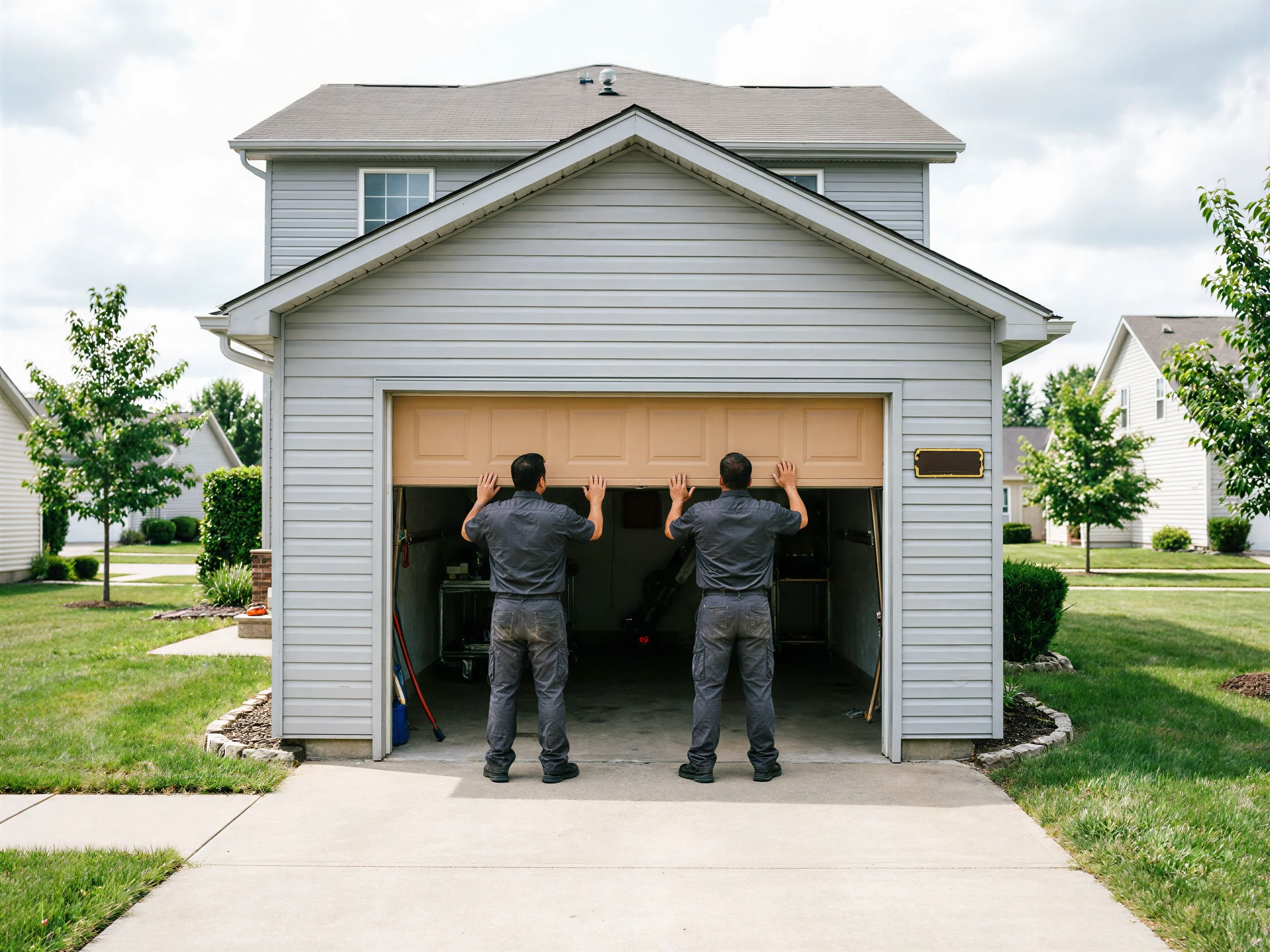
Garage Door Installation for Westland Homes
Westland homes built mostly in the 1960s often carry original garage doors sized for a different climate. Learn more →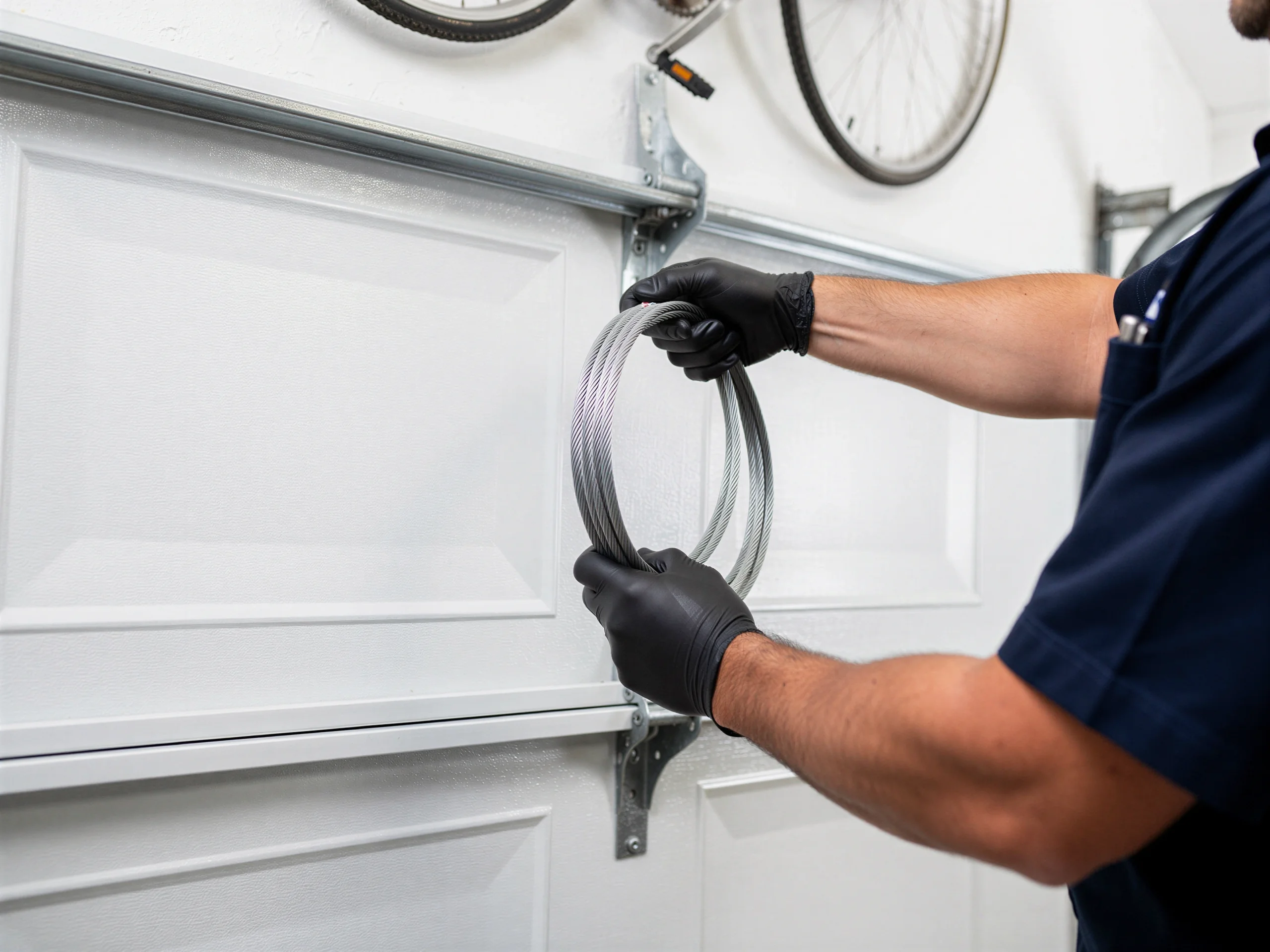
Garage Door Cable Repair for Westland Homes
Broken or frayed cable on a garage door built before 1991? Learn more →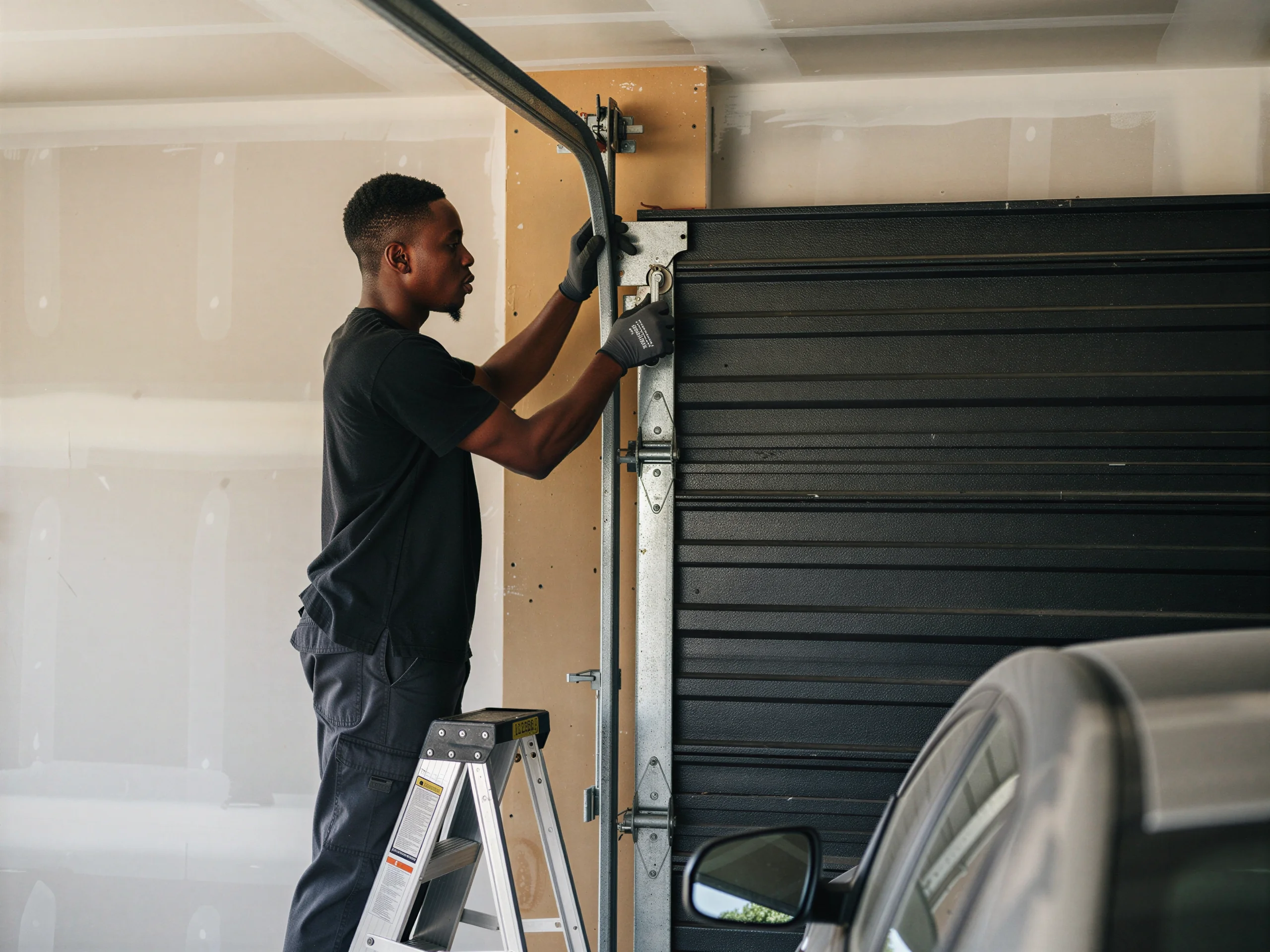
Garage Door Roller Replacement for Westland Homes
Westland homes built mostly in the 1960s and 70s still run original steel rollers. Learn more →Ready when you are
Garage door trouble in Westland?
Westland Garage Door Pros repairs and installs garage doors, springs and openers in Westland, MI and the surrounding area.