Local detail
What Most People Get Wrong
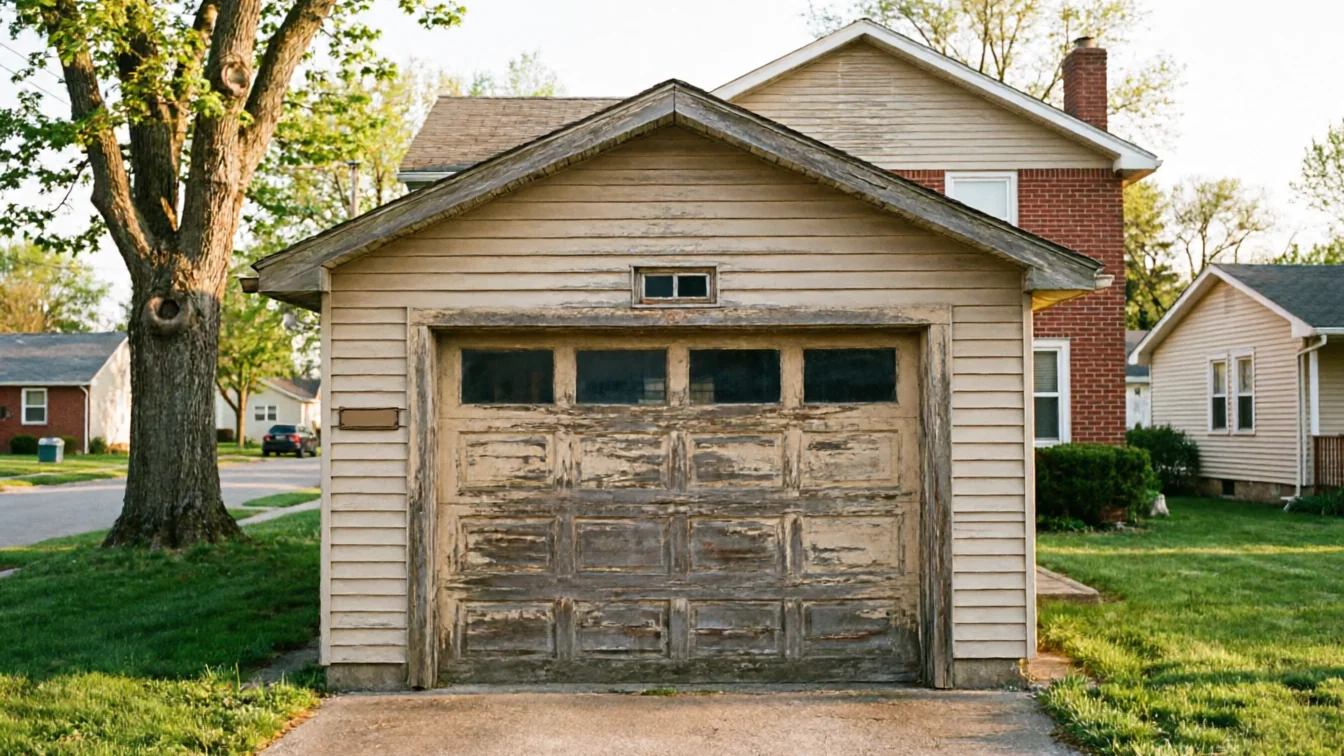
Most folks assume that if the power goes out, the only problem is a door that won't open with the wall button. That's true, but it's not the whole story in a town like this. Westland's housing stock runs from 1938 to 1991, with the median build landing around 1960. That means a lot of the openers bolted to the ceiling today aren't original to the house - they're the second or third unit installed over the decades, wired into whatever circuit was already there. People also assume every opener sold in the last ten years has a battery backup built in. Plenty don't, especially the mid-range chain-drive units that get installed as straight swaps during a repair call rather than a full upgrade. If nobody told you to look for a battery backup when your opener was last replaced, there's a good chance you don't have one. The other thing people miss: a power cut doesn't always mean the whole house goes dark. Sometimes it's just the circuit the opener shares with something else in the garage - a chest freezer, a shop light - tripping a breaker. That looks identical to a true outage from where you're standing at the wall switch, but the fix is different.
The area
What to Look At First
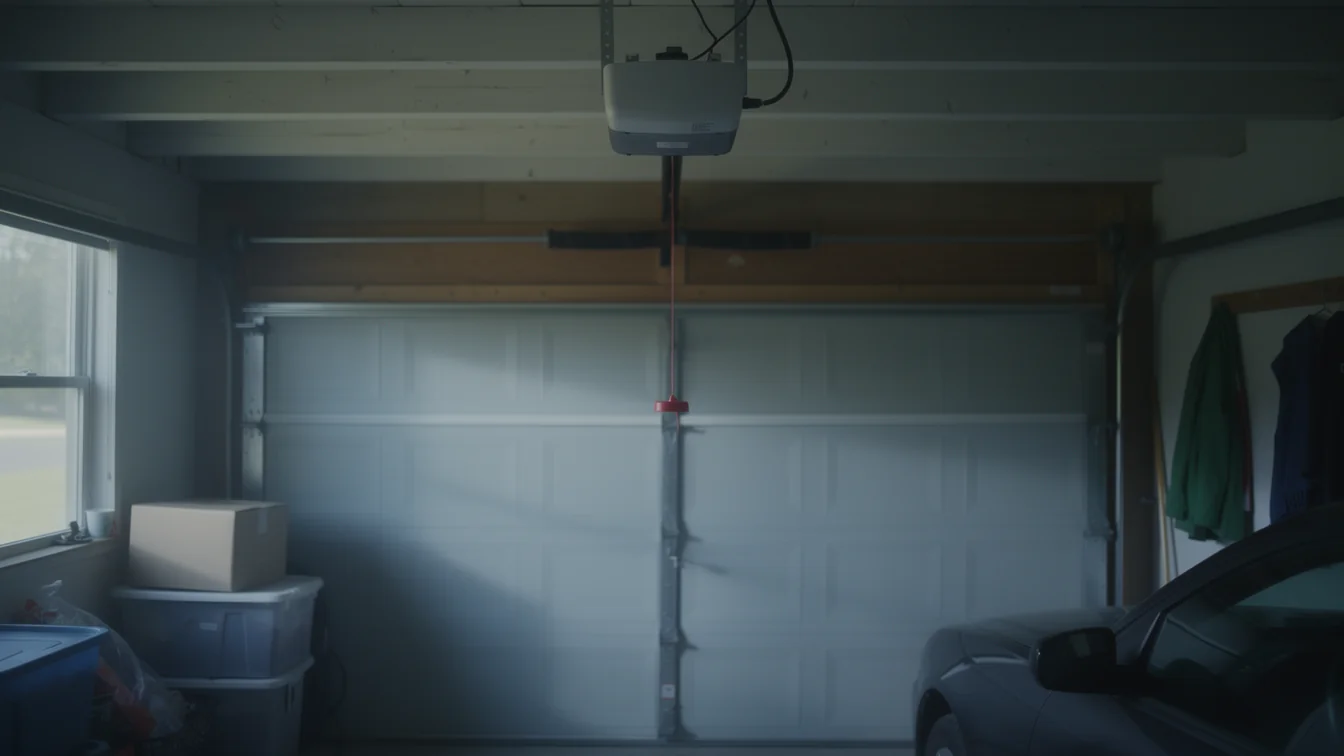
Before you call anyone, find the manual release cord - the red handle hanging from a track near the opener head. Pull it and the door should lift by hand, separate from the motor. If it doesn't move freely, that's a spring or track issue, not a power issue, and it's worth a separate conversation. Next, check whether your opener has a battery backup unit. It's usually a small box mounted next to or below the main opener housing, roughly the size of a car battery's little cousin. If you don't see one, your door simply won't open or close under power while the electricity is out, full stop, until someone adds that unit. Then check the breaker. In a lot of Westland garages built or wired during that 1960s-70s stretch, the opener outlet sits on a circuit it shares with something else. A tripped breaker reads exactly like a dead opener from across the garage. Reset it once. If it trips again right away, stop - that's an electrical problem, not a door problem, and pushing past it risks the motor. Last, note whether the outage was brief or lasted hours. Some openers need a manual reset after an extended cut, even once power is restored.
What we find
What the Weather Here Does to It
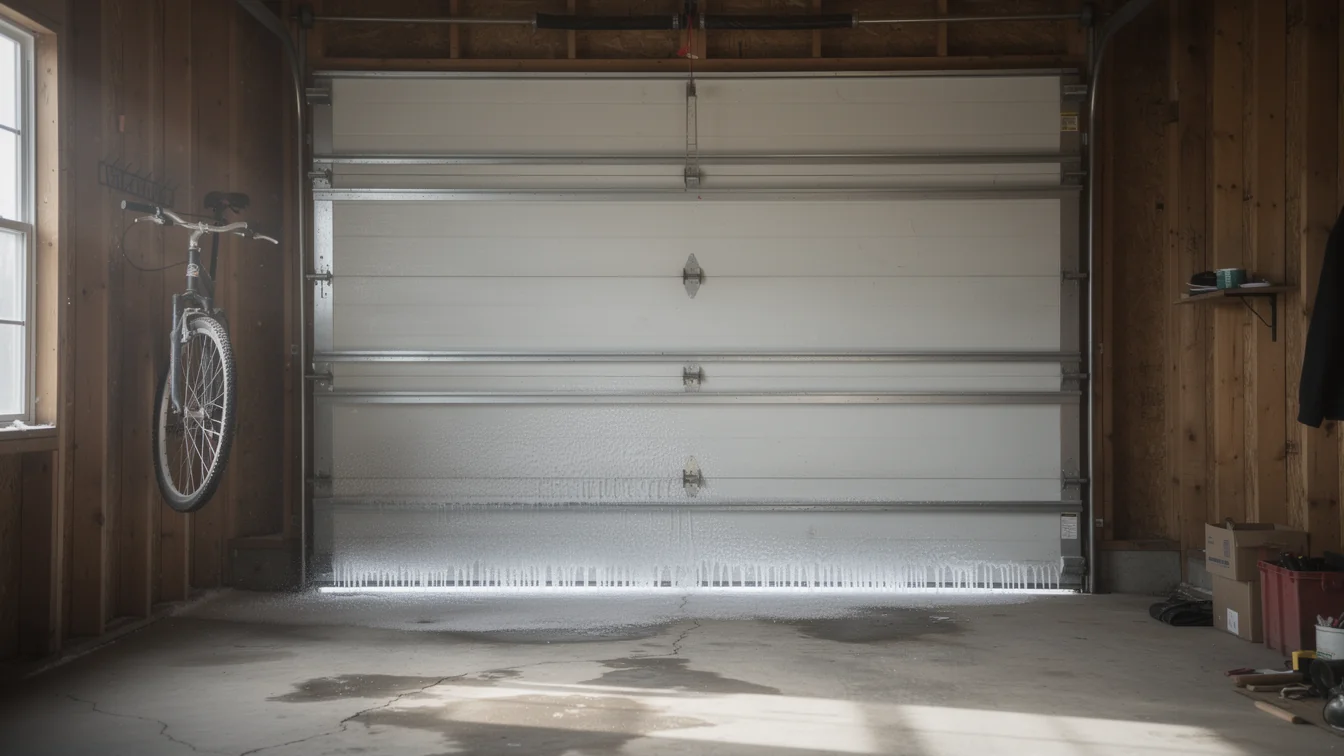
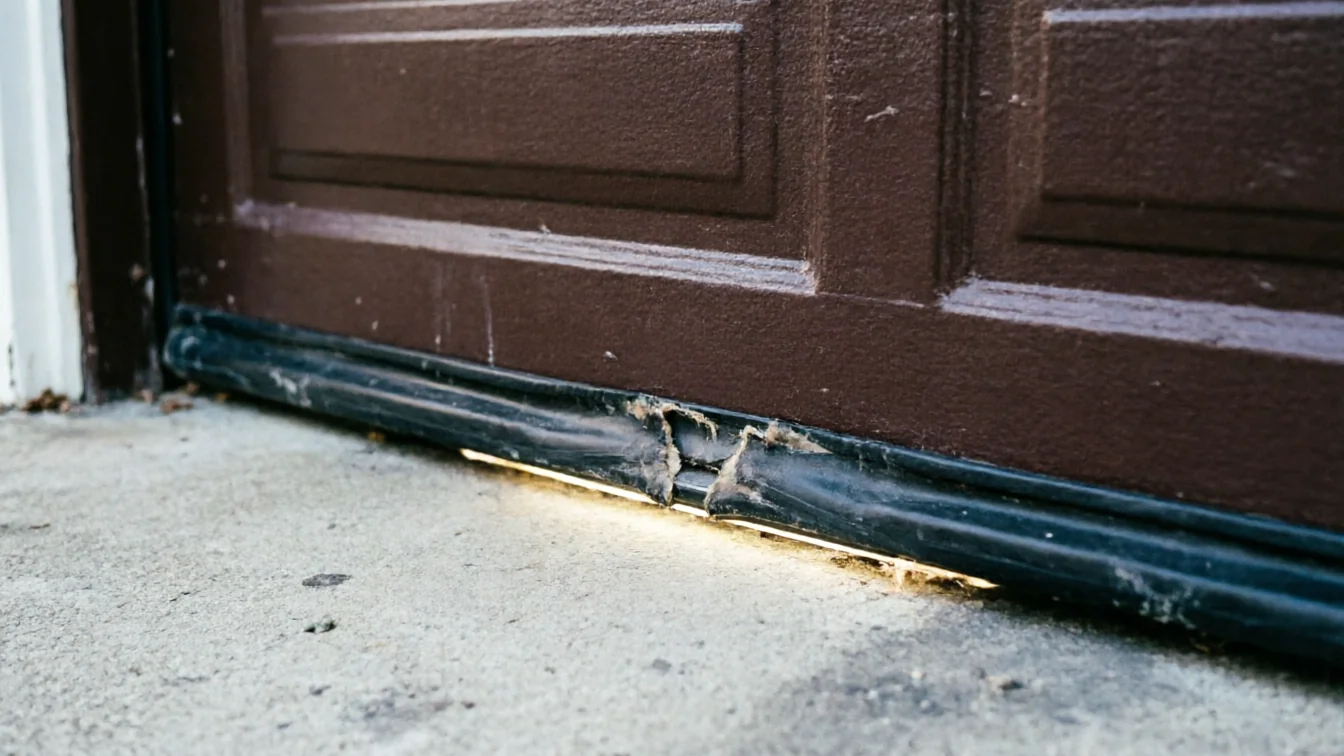
Westland sits in a climate band classified as severe cold, and that cold is doing more to your opener than most people realize. Grease inside an older chain-drive unit thickens as temperatures drop, which makes the motor work harder to pull the chain through its travel. That extra load is exactly what pushes an aging motor past the point where it still starts reliably. The power side matters just as much. Severe cold snaps are when ice and heavy, wet snow load up on utility lines and cause the outages in the first place - it's not a coincidence that opener calls climb right alongside storm reports. If your opener doesn't have battery backup, a cold-snap outage leaves the door stuck exactly when you need to get a car out or in. Rubber weatherseals around the door panel also stiffen and shrink in deep cold, which can throw off how the door sits against the track sensors near the bottom - sometimes enough to make the safety eye misread and refuse to close, which people often blame on the power rather than the seal. Worth ruling out before assuming the opener itself is at fault.
How we work
What Is Going On
Put the two things together - a housing stock built mostly between 1938 and 1991, median around 1960, spread across 43 named areas of this kind of build, and a climate that sits in the severe cold band - and you get openers that are older than they look, wired into circuits that were never meant for a modern unit, in a place where outages cluster during the exact weather that also stiffens the hardware. That combination is why a single call about a door that \"won't open\" can turn out to be a breaker, a battery backup that was never installed, a seal gone stiff, or genuinely a motor on its way out. They all look the same standing at the wall switch during a cold snap. One honest limit: we work on the opener, the door, and the hardware that moves it. We don't rewire electrical panels or run new circuits - if the breaker issue traces back to the house wiring itself, that's a licensed electrician's job, and we'll tell you that straight rather than poke at something outside what we do.
Talk to a local pro
Garage door trouble in Westland?
Same-day service with honest, upfront quotes.