Local detail
What Most People Get Wrong
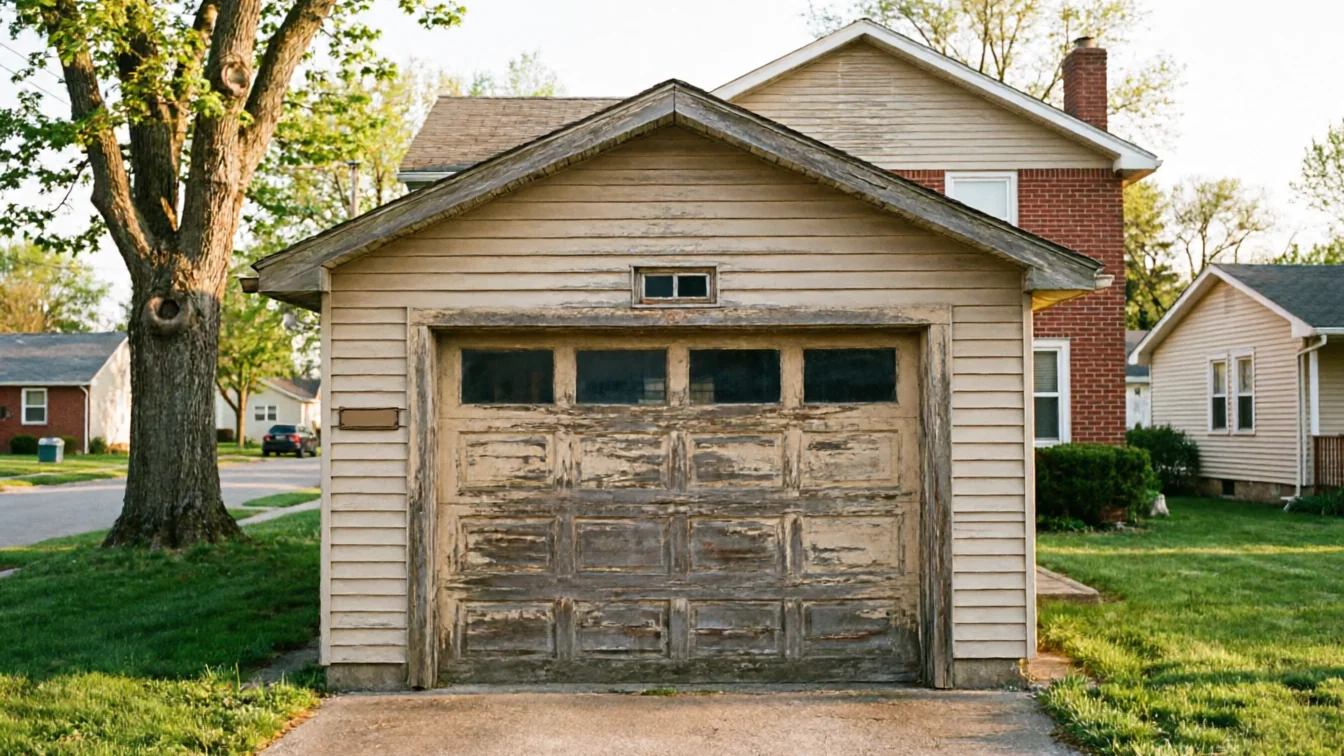
The common idea is that a spring breaks because it's old, full stop. That's half the story. Age matters, but what actually snaps a torsion spring is the combination of age and a hard temperature drop. Steel contracts in the cold, and a spring that's already fatigued from 40-plus years of cycling loses what little flex it had left. Westland's housing stock runs 1938 to 1991, with the median build year around 1960, so a lot of these doors are still running on original or first-replacement hardware from that era. Owners tend to notice the spring the morning after a cold night, and they assume something just happened. Usually nothing happened - the spring had been one hard freeze away from failing for a year or two already. The other thing people get wrong is thinking a broken spring is a quick DIY fix. A wound torsion spring under tension is not a weekend project; it's the single most dangerous part on the door. We don't recommend touching it yourself, and that's not us protecting a job - it's a genuine safety call.
The area
What to Look At First
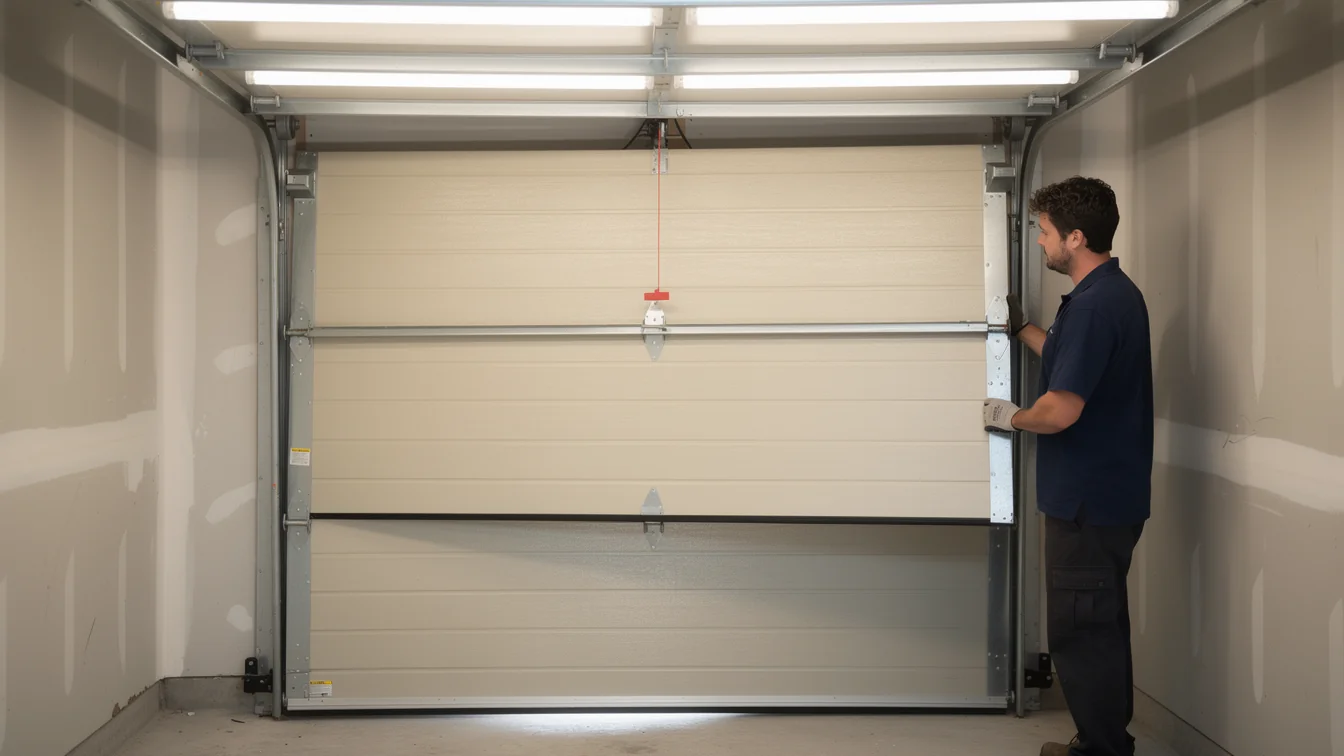
Before you call anyone, look at the spring itself - it sits above the door on a shaft, usually one or two coils depending on the door weight. A gap in the coil means it's already broken; don't try to open the door by hand or with the opener until it's replaced. If the spring looks intact, check how the door sounds and moves on a cold morning versus a mild one. A door that's noticeably stiffer, slower, or that the opener strains against in the cold is telling you the spring has lost tension it can't recover. On houses from Westland's 1960s-era stock, the other thing worth a look is the end bearing plates - decades of unheated garage temperature swings dry out the lubrication and let surface rust set into pivot points, which adds drag right when the spring has the least reserve to push against. If your door was installed or serviced more recently than the house itself, that's useful information too - a newer spring on an older track system behaves differently than a spring and track that are both original.
What we find
What the Weather Here Does to It
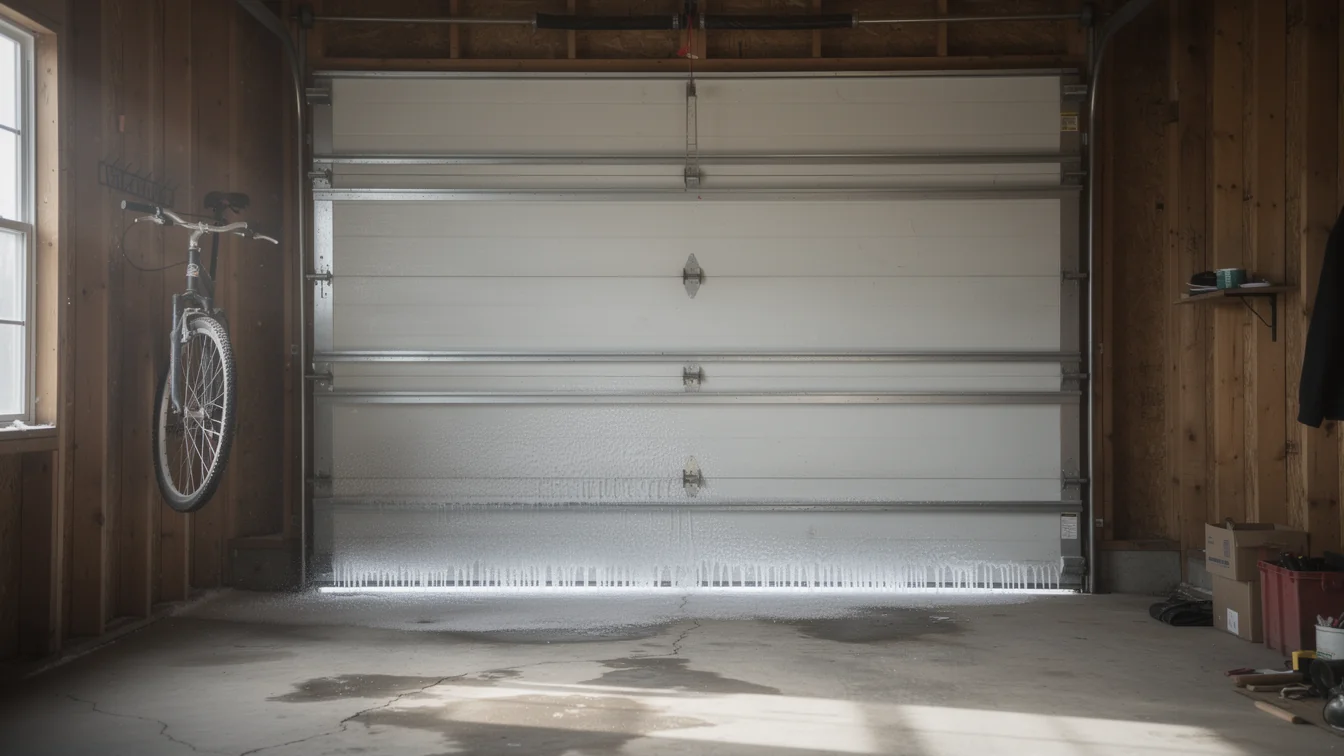
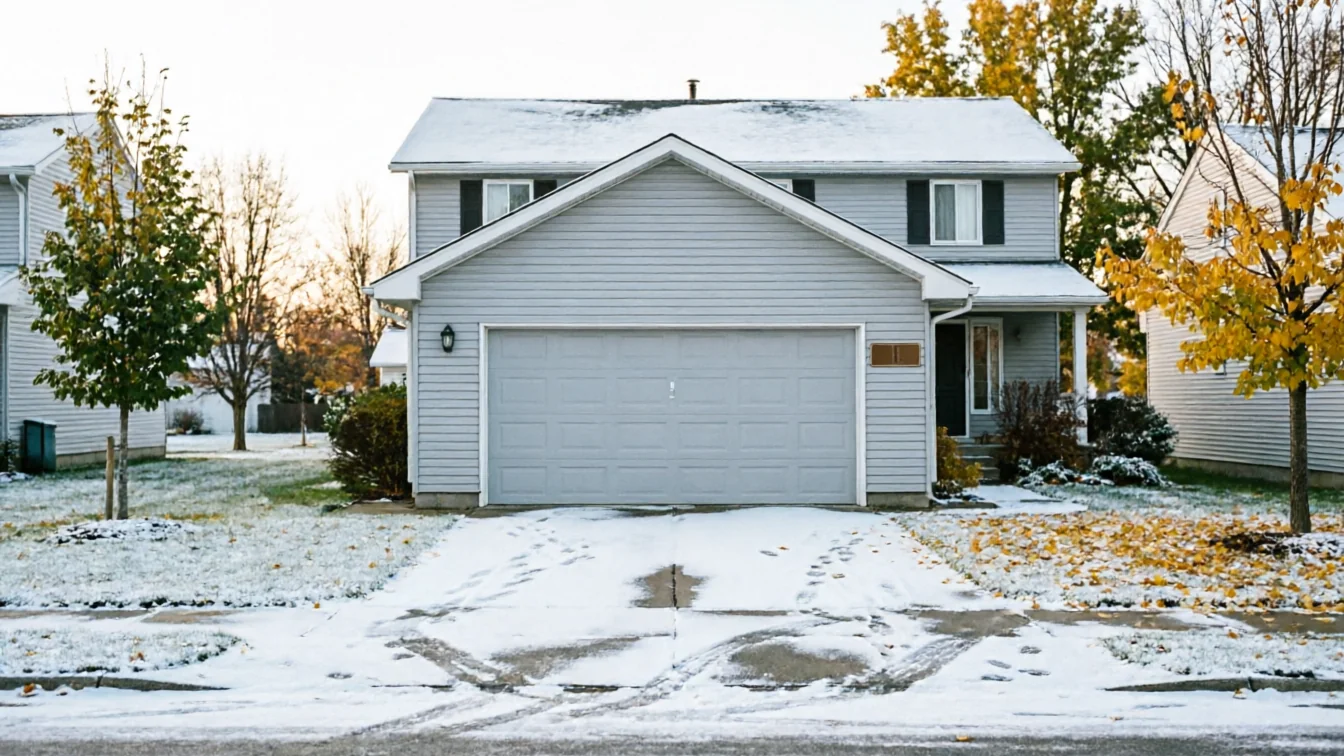
Westland sits in a climate zone rated cold and severe, which for a garage door spring means real temperature swings inside an unheated garage, not just outside. Steel is a predictable material: it gets stiffer as it cools, and a spring already carrying 40+ years of cycle fatigue has very little stiffness margin left to lose. That's why so many spring calls in this area cluster around the first hard cold snap of the season rather than spreading evenly through the year - the spring was fine in September and gone by the first week it dropped well below freezing overnight. This isn't a one-time event you can point to; it's the accumulated effect of each winter adding a little more brittleness to metal that was already near its limit. Houses built in the median 1960 era went up before today's cold-climate door and spring specs existed, so the hardware wasn't engineered against the kind of swings this area actually sees most winters. None of this means every door is at risk - a spring replaced in the last several years handles a cold snap without issue. It's specifically the older, fatigued springs that the cold finds.
How we work
What Is Going On
Put the two pieces together: a service area where most houses were built between 1938 and 1991, median right around 1960, sitting in a climate rated cold and severe, and you get a predictable pattern - spring failures concentrated in the coldest stretches, concentrated in the oldest hardware. This isn't unique to any one street or neighborhood; it shows up across the roughly 43 named areas that share this same housing era and weather exposure. Household incomes in the area run a median around $72,235, which is worth mentioning only because it shapes the real decision homeowners face: repair the spring now, or look at the rest of the door's hardware while it's open anyway, since a door from the 1960s stock often has a cable, roller, or bearing plate in similar shape. We won't tell you to replace a door that's otherwise sound just because the spring went - most of the time a spring swap is the whole job. But if the opener's been straining for a season or two before the spring finally gave out, that's worth a second look rather than a second spring.
Talk to a local pro
Garage door trouble in Westland?
Same-day service with honest, upfront quotes.