
Westland, MI
Garage Door Installation for Westland Homes
Westland homes built mostly in the 1960s often carry original garage doors sized for a different climate. See what a proper installation involves and costs.
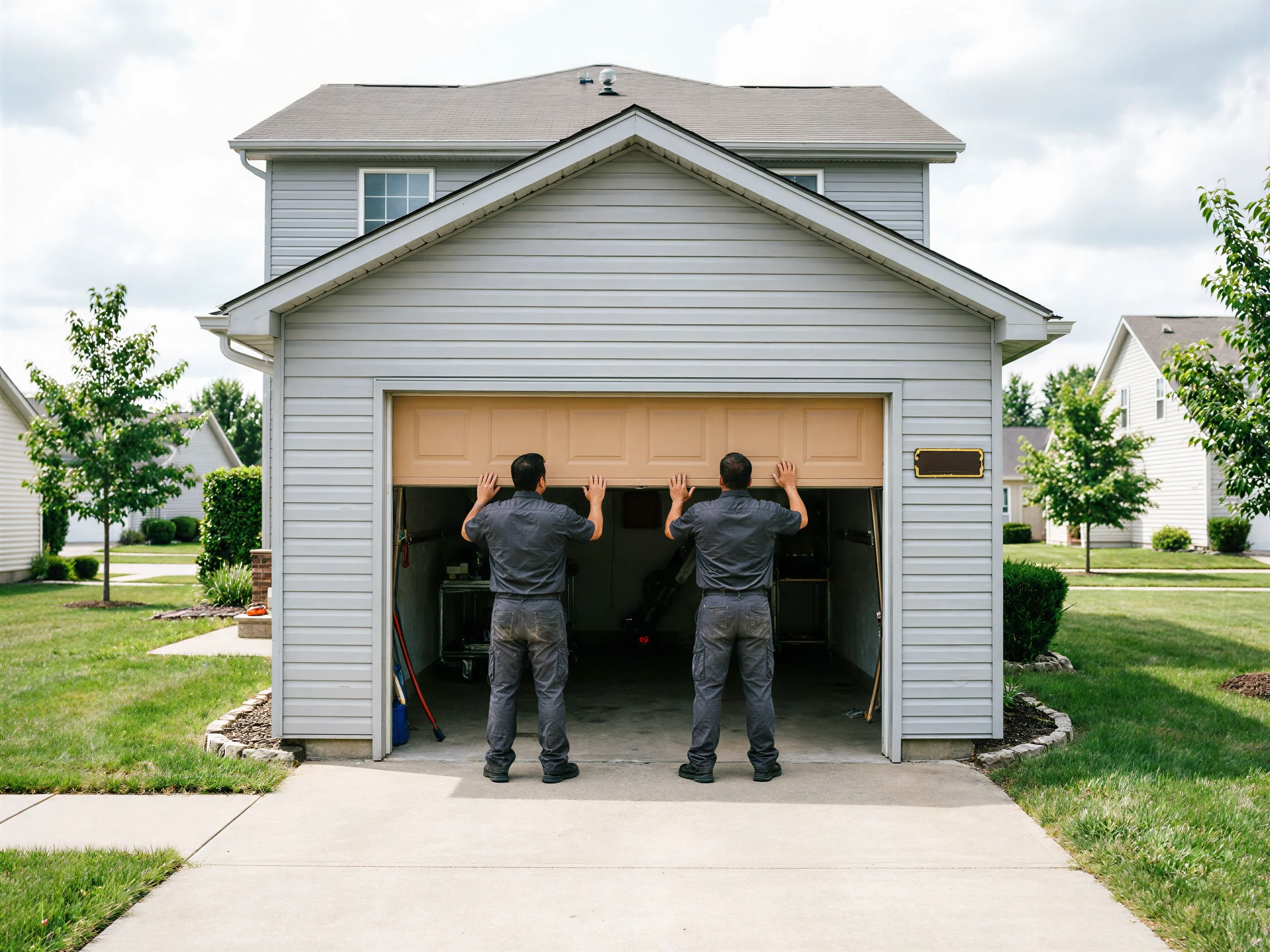
Why It Happens Here
Most houses on this side of Westland went up between 1938 and 1991, with the bulk from the 1960s, which means the original door and track were built to a mild-weather spec that doesn't hold up to a Michigan winter forever. That generation of door came with a single layer of steel, no thermal break, and hardware sized for garages that weren't expected to flex much.
Westland sits inside a severe cold climate band. Steel contracts in the cold, and a door that was never insulated starts to bow at the panel seams and bind on the track as the temperature swings. Add forty, fifty, sixty years of that cycle and the track brackets pull loose from studs that have shifted with the frost line.
Across the 282,446 households in this service area, roughly 155,825 are owner-occupied houses old enough to still be running that original one-piece or early sectional door. When a homeowner calls about installation instead of repair, it's usually because the door has reached the point where new rollers and a new spring won't fix a frame that's out of square. That's a replacement job, not a tune-up, and it's common enough in this housing stock that we see the same failure pattern street after street.
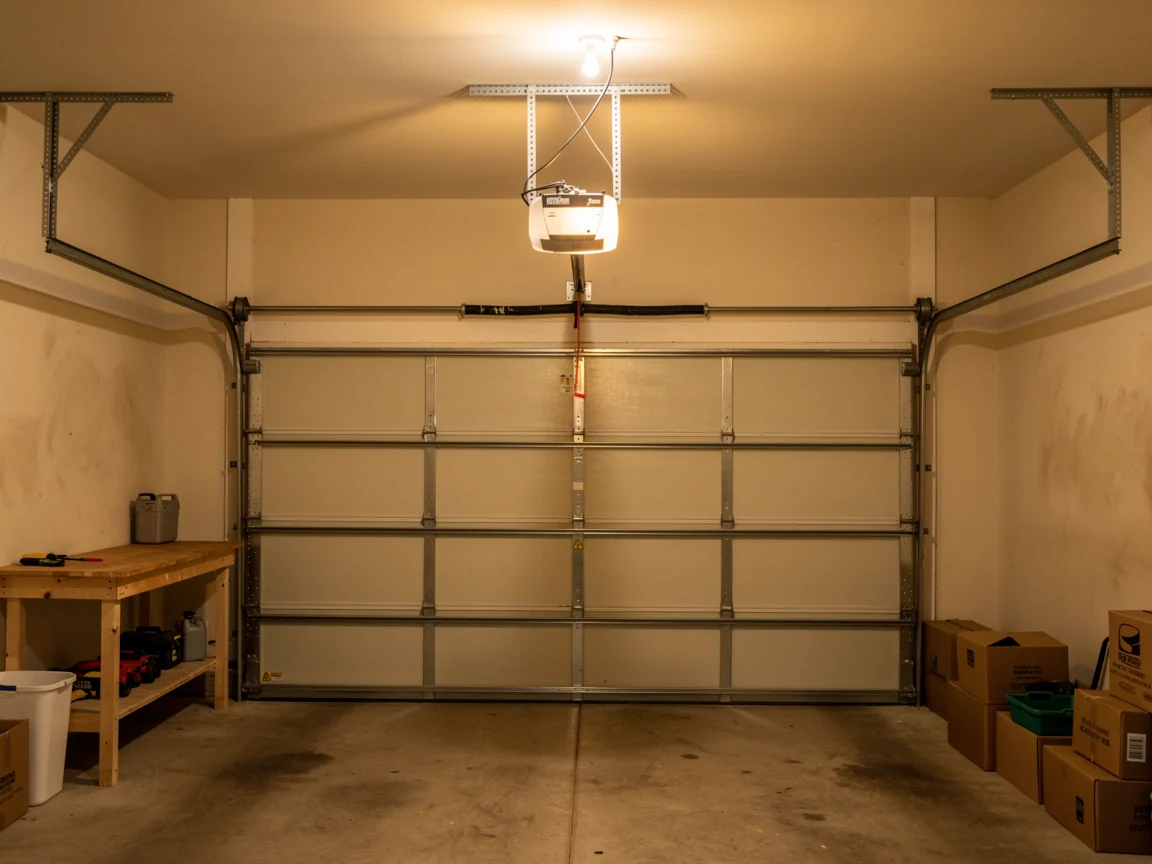
How It Shows Up
The first sign is usually a door that won't sit flush at the bottom in cold weather - the panel has bowed just enough that the weatherseal stops meeting the slab evenly, and you can see daylight at one corner.
Draft and frost signals
Owners often notice it first as a cold draft along the garage floor or frost forming on the inside of the door itself. Second sign: the opener starts straining. A door built in the 1960s is heavier per square foot than a modern insulated panel, and as the track brackets loosen, the opener has to work harder to lift the same dead weight through a track that's no longer perfectly straight.
Groaning and reversing door
You'll hear it groan partway up, or it reverses on its own before reaching the top. Third sign, and the one that usually prompts the call: a panel cracks or buckles, often at a seam that's been flexing for years.
Flexed steel loses true
Once steel has flexed with the cold that many winters, it doesn't go back to true. At that point patching one panel doesn't solve the underlying problem - the whole door is operating outside its original spec, and installation is the honest answer rather than another round of parts.
What It Costs
We don't have a flat number to put here, because the price on an installation job depends on door width, insulation level, and whether the existing track and jamb need rework along with the door itself - and we'd rather tell you that than quote a figure that doesn't match your garage.
Mid-grade insulated pricing
What we can say is that in a service area with a median household income of $72,235, most of the installs we price out land on mid-grade insulated steel rather than the premium wood-look or full-view lines - that's the sweet spot between upfront cost and a door that actually holds its shape through a Michigan winter.
Jamb rebuild raises cost
A straight swap, same size opening, same track position, costs less than a job where the framing has shifted enough that we're rebuilding the jamb or moving the opener mount. Older houses in this stock more often need the second kind of job, because the shifting that bowed your door usually touched the frame too.
Nonstandard width backorders
One honest limitation: if your opening is a nonstandard width from a 1960s build and you want a specific insulated model, that door may be backordered rather than something we can install the same week. We'll tell you the lead time up front instead of guessing.
What Is on the Truck
For an installation job we carry insulated steel sectional doors in the widths that match this area's older openings, along with the torsion springs sized for a door that heavy - cold-climate springs are wound differently than what you'd spec in a milder region, and using the wrong one is how a brand-new door ends up sagging within a year.
Cold-rated weatherstripping
We stock weatherstripping rated for the severe cold band this area sits in, new track sections and brackets for when the old mounting points in the stud are too chewed up to reuse, and openers sized to the door's actual weight rather than a one-size-fits-all unit.
Jamb squaring materials on hand
For houses where the jamb has shifted - common in a lot of the 1960s-70s stock here - we carry the lumber and hardware to square the opening before the new door goes in, rather than hanging a straight door on a crooked frame.
Custom wood special orders
What's not on the truck: custom wood doors or full-view glass units built to order. Those get special-ordered once we've measured, and we'll tell you the lead time rather than promise a same-day install we can't deliver.
Questions
Common questions
Why does my 1960s Westland garage door bow in the winter?
Doors from that era are usually a single layer of steel with no thermal break. In a severe cold climate, steel contracts and the panel seams flex every winter. After decades of that cycle, the panel takes a permanent bow and the weatherseal stops sitting flush at the bottom.
Do I need a new track if I'm replacing the door?
Not always. If the track brackets are still solid in the stud and the opening hasn't shifted, we can often reuse the track. Older houses where the frame has moved with the frost line usually need new track and bracket positions set to match the new door.
How long does a garage door installation take?
A straight swap on a standard opening is usually done in a day. Jobs needing jamb rework, new track, or a special-order size take longer - we'll give you a real timeline once we've measured the opening, not a guess over the phone.
What size door do I need if my house is older?
Openings in Westland's 1960s-70s housing stock sometimes run nonstandard widths compared to newer construction. We measure the actual opening rather than assume a standard size, since a door ordered to the wrong width won't seal right against an older frame.
Explore more
Explore More Services In Westland, MI
Garage Door Roller Replacement for Westland Homes
Westland homes built mostly in the 1960s and 70s still run original steel rollers. Learn more →
Garage Door Cable Repair for Westland Homes
Broken or frayed cable on a garage door built before 1991? Learn more →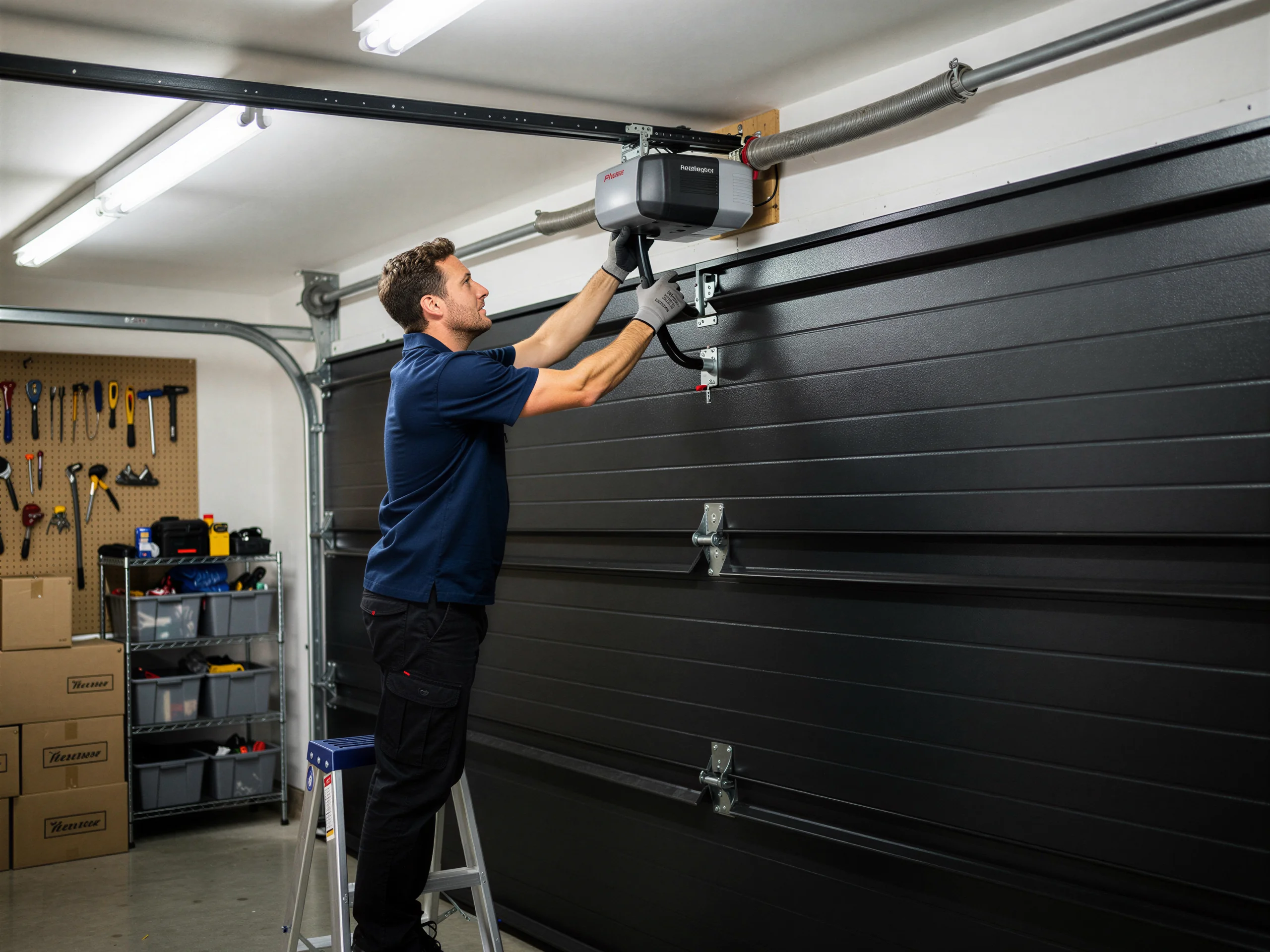
Opener Installation for Westland's Older Garages
Opener installs built for Westland's 1960s-era garages and cold winters. Learn more →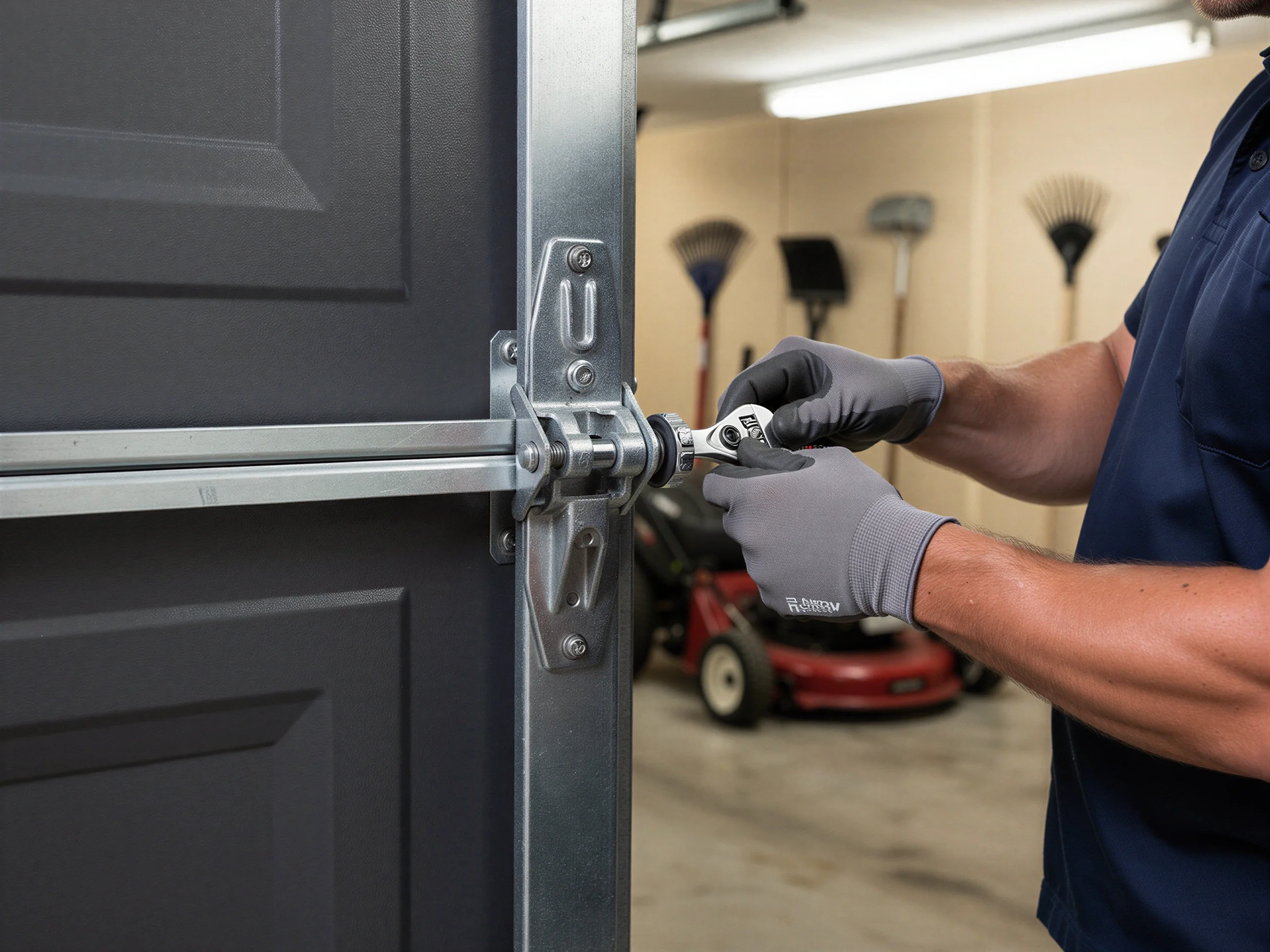
Garage Door Repair for Westland's 1960s Housing Stock
Westland homes built mostly in the 1960s run original torsion hardware that wasn't made for Michigan cold. Learn more →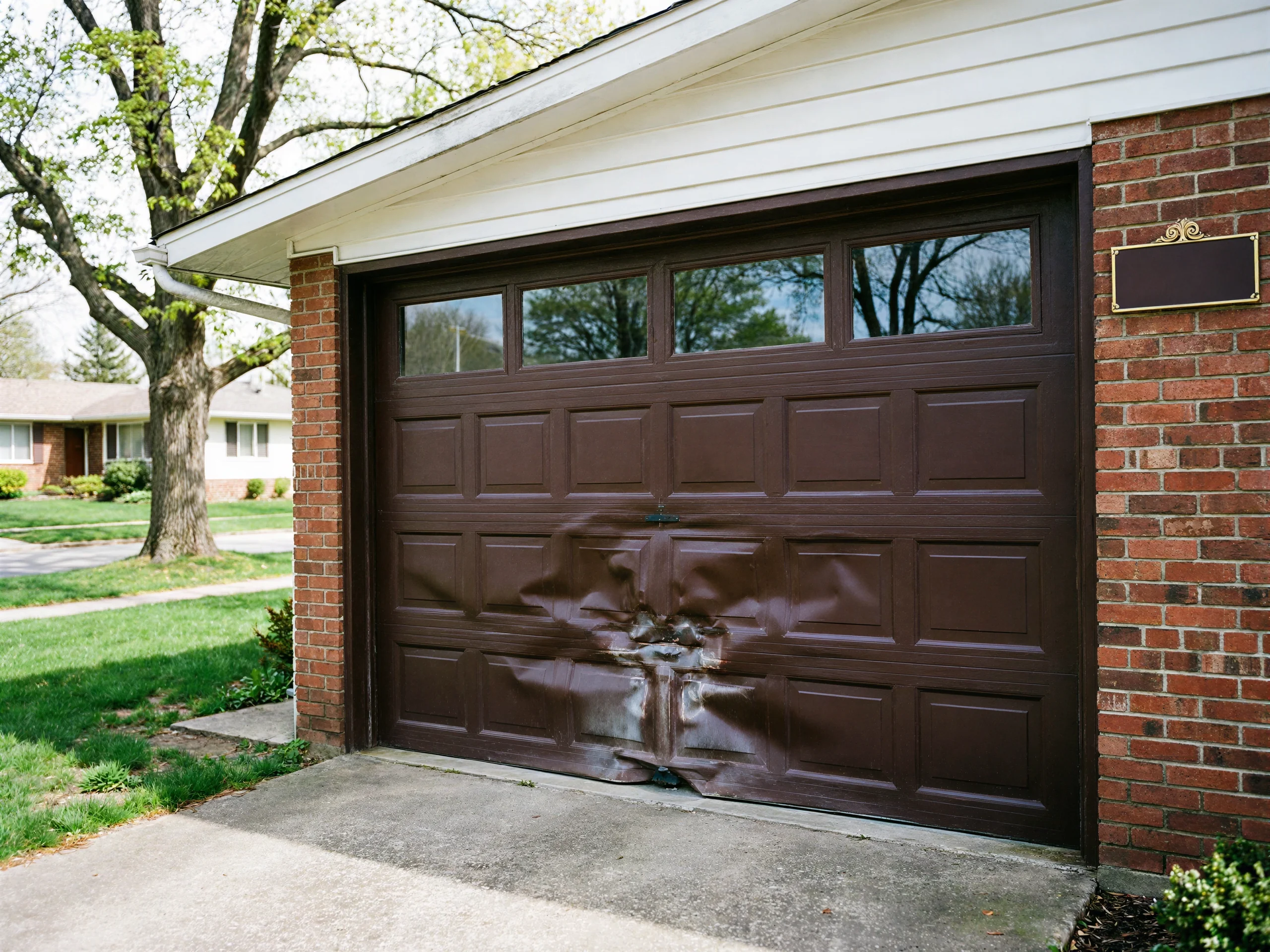
Garage Door Panel Replacement for Westland Homes
Dented or rusted panels on Westland's 1960s-era garage doors. Learn more →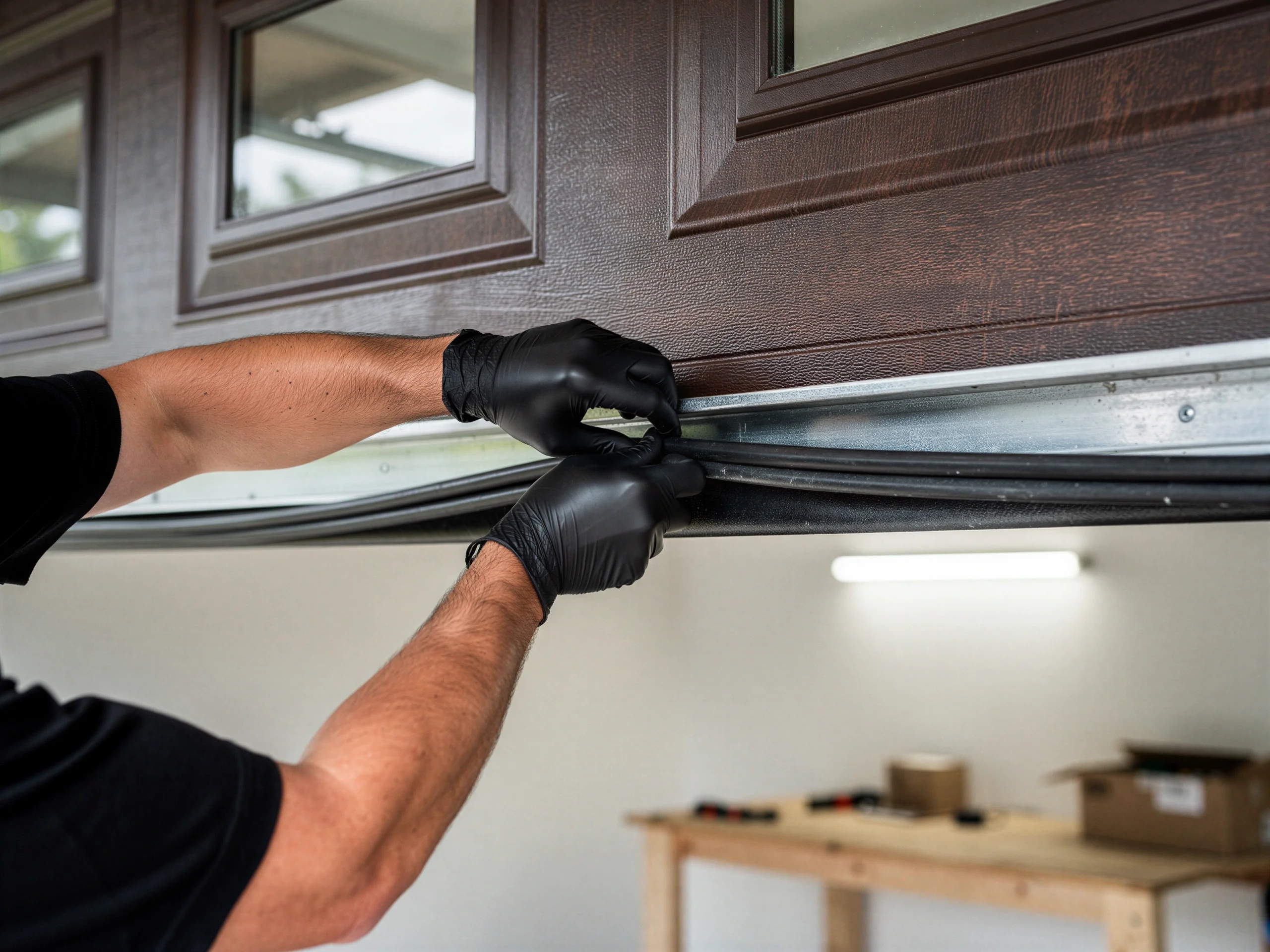
Garage Door Service for Westland's Older Housing Stock
Garage door repair and tune-up service built around Westland's 1960s-era housing stock and cold winters. Learn more →Ready when you are
Ready for a new garage door in Westland?
Westland Garage Door Pros repairs and installs garage doors, springs and openers in Westland, MI and the surrounding area.