Local detail
What Most People Get Wrong
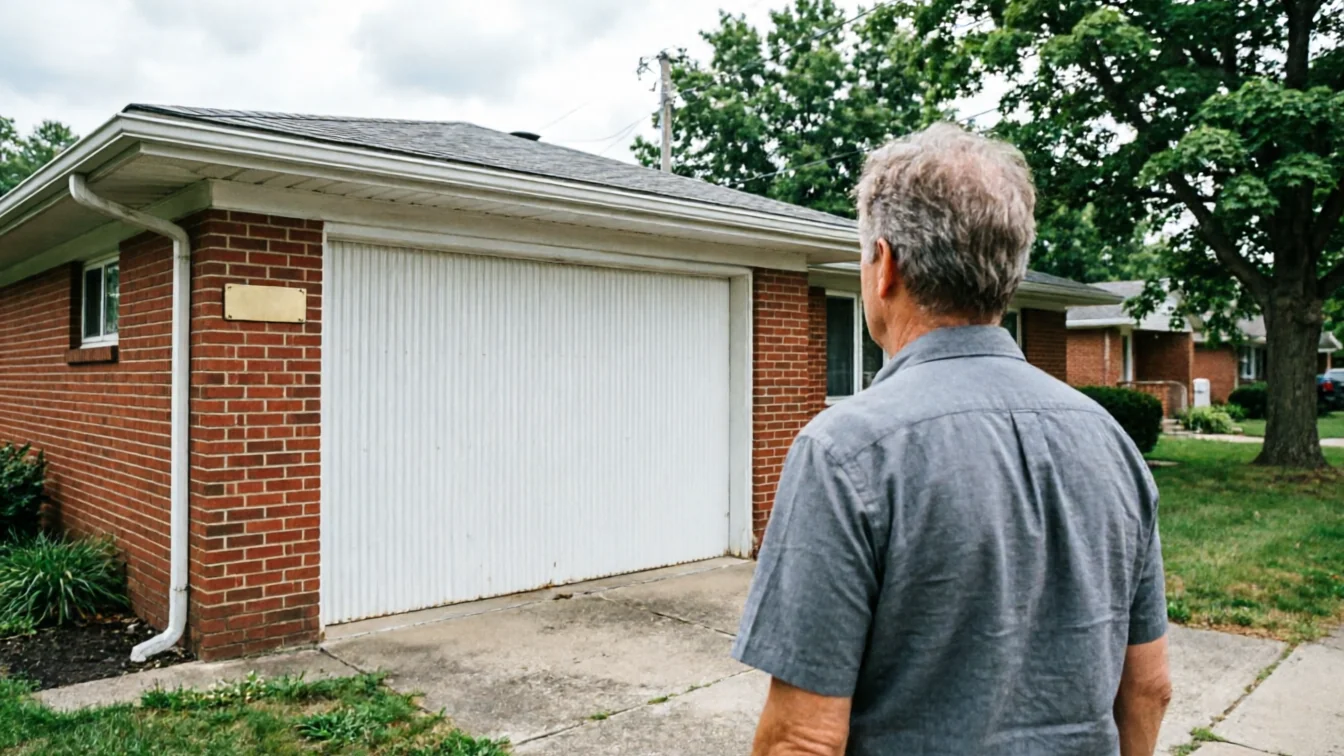
Most calls start with someone telling us the opener is broken. Almost every house in this area was built between 1938 and 1991, with the bulk going up in the 1960s and 70s, and that era of construction means the opener is rarely the real problem. The door itself - the springs, the track alignment, the hardware bolted to framing that's now 50 or 60 years old - is what's actually failing. A homeowner hears grinding or sees the door stop halfway and assumes the motor died. Nine times out of ten on a house this age, it's a spring losing tension or a roller that's worn oval instead of round. We check the opener last, not first, because replacing a $200 logic board doesn't fix a spring that's two winters past its rated cycle count. If your door is original to a house built in that 1960-ish window, the door and track are the first suspects, not the box on the ceiling.
The area
What to Look At First
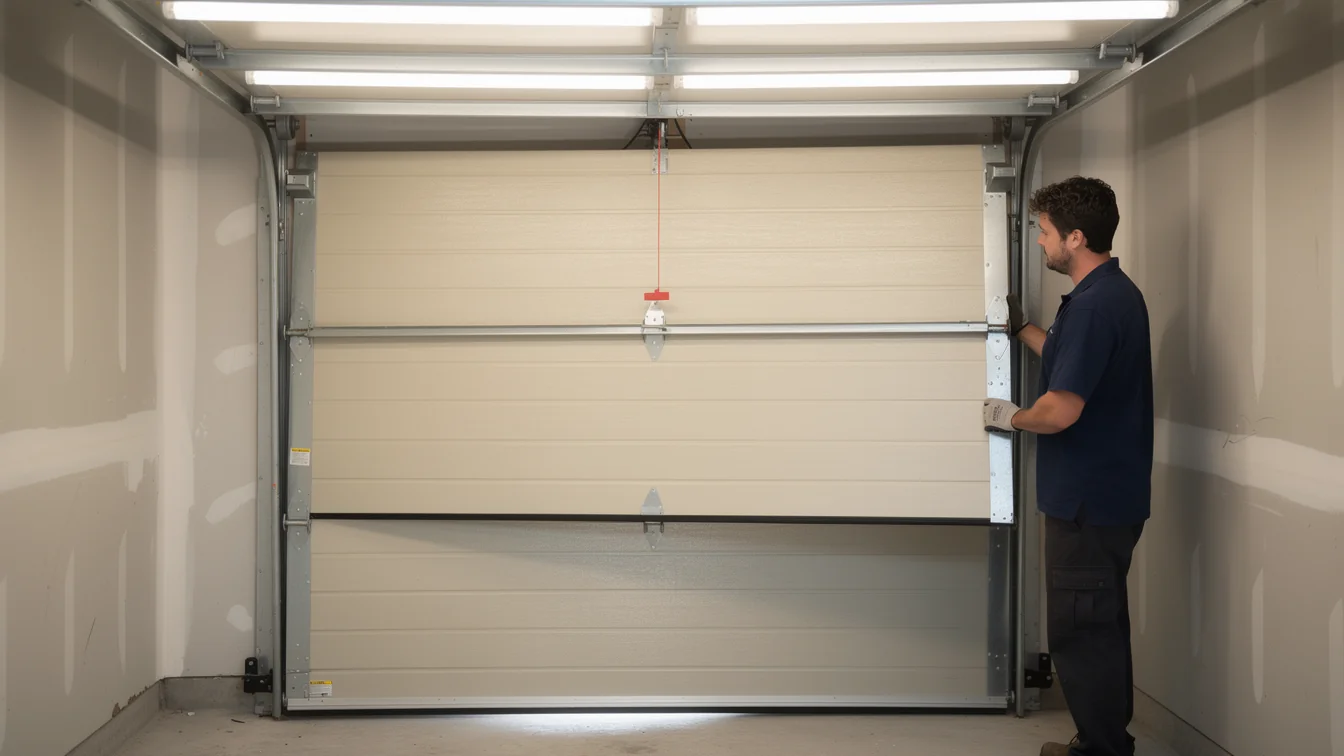
Before we touch anything mechanical, we look at the track-to-wall mounting. Houses built in this 1938-1991 range were framed with standards that have shifted since, and over decades the wood the track brackets are lagged into can loosen or split, especially with the door cycling through severe cold winters. We check for daylight gaps between the bottom panel and the floor, uneven cable drums on either side of the torsion bar, and rollers that have worn their stems down. On older stock we also look at the spring winding cones - a lot of houses in this area still have the original single spring instead of a two-spring setup, which matters when that spring eventually lets go. None of this is guesswork; it's the same sequence every time, because the failure points on a house built in 1960 are consistent and predictable, not random.
What we find
What the Weather Here Does to It
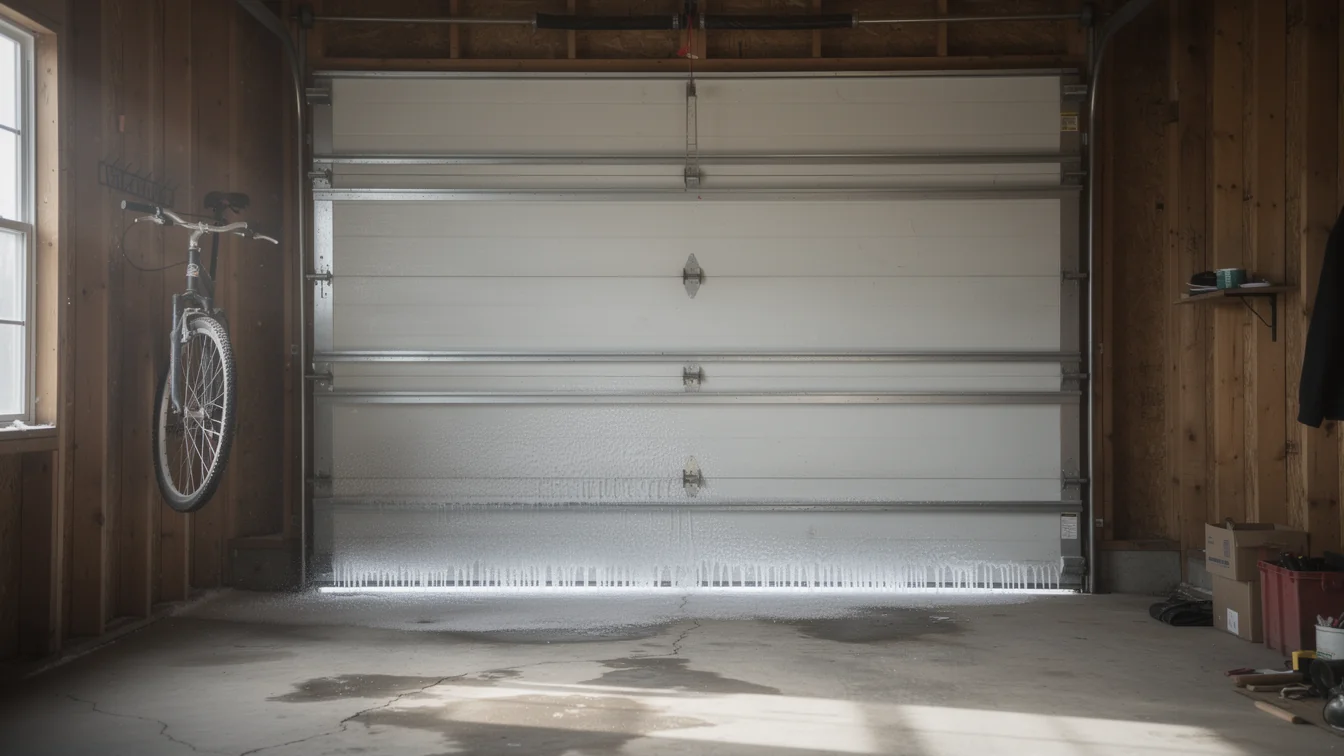
This area sits in a severe cold climate band, and that does specific, repeatable damage to garage door hardware. Steel springs lose tension faster in deep cold because the metal contracts, which changes how much force is needed to lift the door - a spring that was fine in September can bind or snap in January. Nylon rollers crack in sustained cold the same way old garden hose does. Weatherstripping at the bottom panel hardens and stops sealing, which lets snowmelt run under the door and rust the bottom bracket from the inside out. On a house built decades ago with original hardware, we're usually looking at metal and rubber that has already been through 40-plus winters of that cycle. We don't recommend replacing parts on a schedule just because they're old, but we do flag anything showing cold-fatigue cracking before it fails on a sub-zero morning when you need the door open.
How we work
What Is Going On
With 282,446 households in the service area and 155,825 of them owner-occupied, and a median household income of $72,235, most of the doors we're called out to aren't luxury installs - they're working doors on working houses, and people want them fixed right, not oversold. That's the honest limitation here: if your door is original to a house from the 1960s stretch, parts for that exact track width or spring size sometimes aren't stocked anywhere nearby, and we'll tell you straight if a repair means waiting on a part versus just replacing the section. We don't push full door replacement when a $40 roller set solves it, and we don't pretend a 60-year-old torsion system is worth patching forever either. The call is about matching the fix to what the door actually needs, given its age and what the winters here have already done to it.
Talk to a local pro
Garage door trouble in Westland?
Same-day service with honest, upfront quotes.