
Westland, MI
Garage Door Roller Replacement for Westland Homes
Westland homes built mostly in the 1960s and 70s still run original steel rollers. Here's why they fail in this climate and what replacement actually involves.
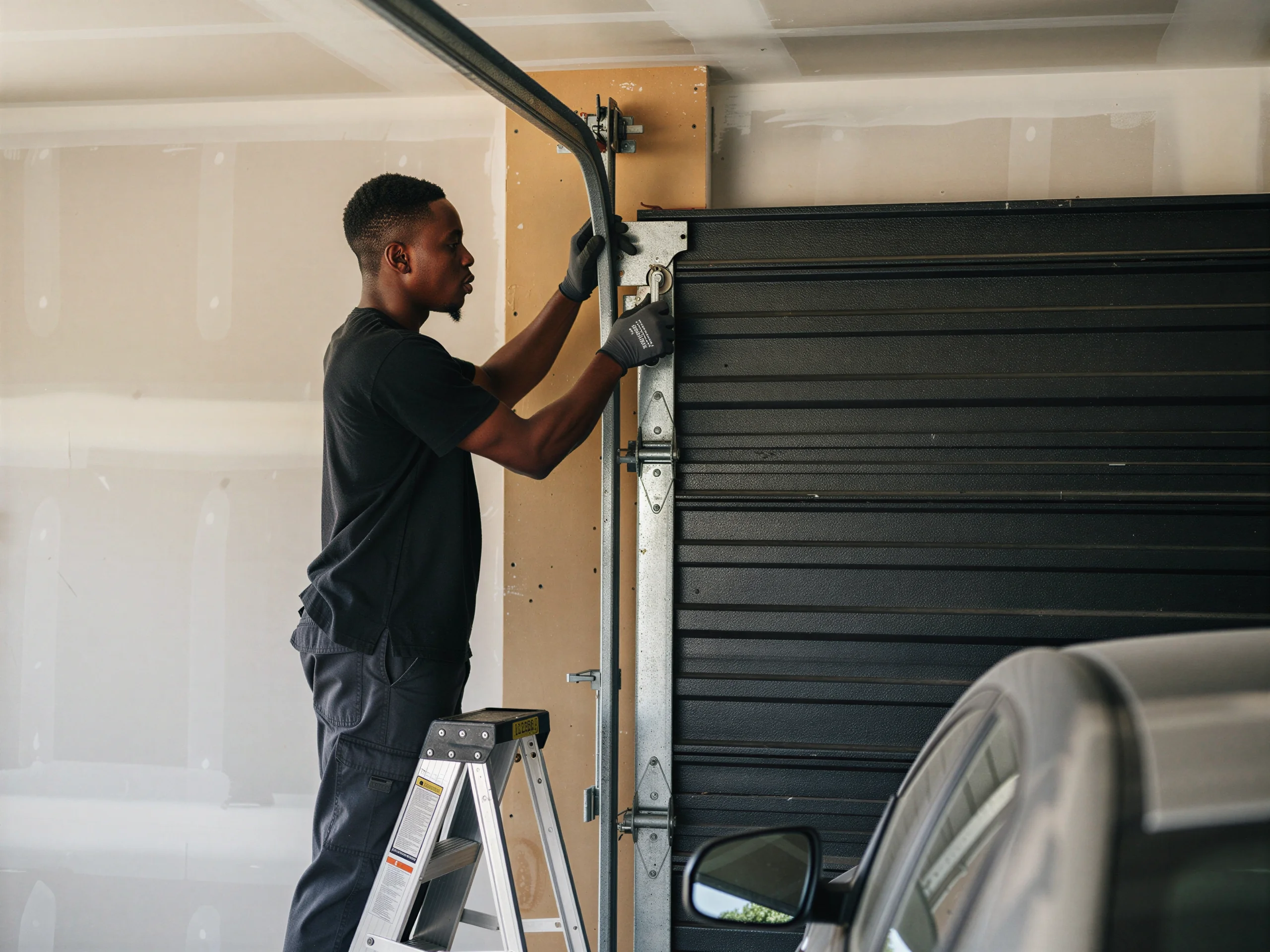
Why It Happens Here
Most of the garage doors we look at in Westland sit on housing built between 1938 and 1991, with the bulk of that stock going up in the 1960s and 70s. That matters for rollers specifically. Builders in that era almost always spec'd steel rollers on steel stems, no sealed bearing, no nylon jacket. Forty to sixty years on, a lot of those original rollers are still in the track, just worn down to a thin, pitted stub.
Westland sits in a cold-climate band with real winter severity, and that's the second half of the problem. Steel rollers don't flex. When the track gets cold and slightly stiff, a worn roller binds instead of rolling, and every open-close cycle chips a little more steel off the stem. Salt and road grit tracked into the garage speeds up the pitting on the roller surface itself.
So you end up with two things stacking on top of each other in this area: a housing stock old enough that original hardware is near the end of its life, and a climate that accelerates wear on exactly that hardware. It's not that doors here are built badly. It's that the parts installed decades ago were never meant to outlast the house, and the cold doesn't do them any favors.
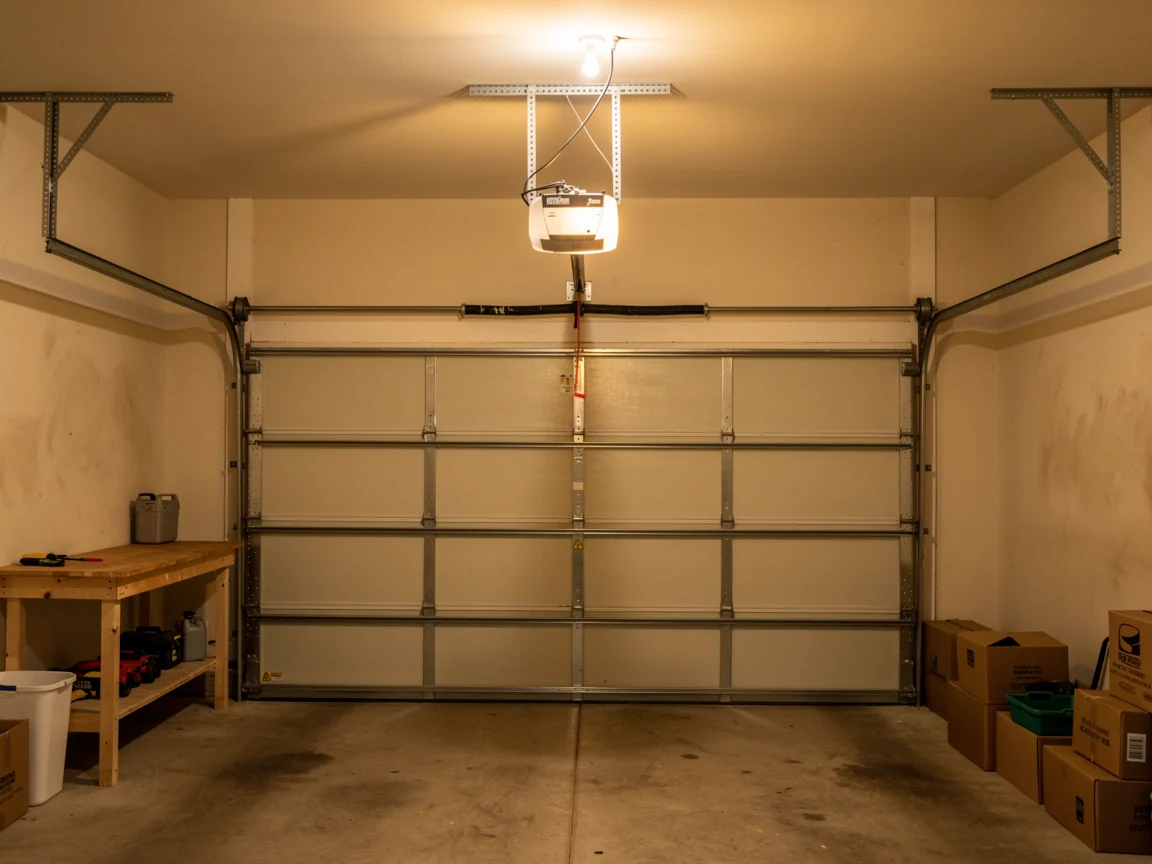
How It Shows Up
The first sign is usually noise - a grinding or clunking as the door travels, worse at the top and bottom of the track where the curve puts more side load on a worn roller.
Hesitation after cold nights
Some owners notice the door hesitating or jerking instead of moving smoothly, especially right after a cold night. Look at the rollers themselves if you can get the door open safely. Steel rollers that have gone this long usually show flat spots, visible pitting, or a wheel that's gone slightly oval instead of round.
Metal shavings on track
You might also see metal shavings or a fine rust-colored dust on the track near the rollers - that's the roller surface wearing away. A door that's drifting off-track, or that needs a shove partway through its cycle, is often rollers rather than the opener.
Roller wear spreads to cables
Worn rollers increase friction and load on the opener motor and on the cables, so a roller problem left alone long enough starts showing up as cable wear or opener strain instead. Catching it at the roller stage is the cheaper fix.
What It Costs
We don't publish a flat price for roller replacement because the real cost driver is what's actually on your door - how many rollers need replacing, whether the track has worn grooves from the old rollers, and whether cables or hinges have taken damage from the extra friction. A door with six worn rollers and a clean track is a different job from one where the track itself needs straightening or swapping.
What we can tell you is that catching roller wear early, before it damages the track or overloads the opener, keeps the job contained to the rollers. Once a worn roller has chewed up a track section, that's a separate repair on top. We'll give you a number after we've looked at the door in person, not before.
What Is on the Truck
For roller work we carry both nylon and steel roller options, in the stem lengths and bearing types that fit the track styles common on Westland's 1960s and 70s housing stock.
Quieter roller upgrade
Nylon rollers with sealed bearings run quieter and handle cold-weather stiffness better than the original steel-on-steel setup, which is why most owners upgrade rather than replace steel-for-steel. We also stock the hinges and roller brackets that typically need to come off with a worn roller, since the bracket often shows wear from the same friction that chewed up the roller.
Grooved track replacement
If the track has grooved from years of a bad roller riding in it, we carry replacement track sections for the standard widths used on doors from that era.
Odd track widths
One limit worth being upfront about: if a door needs a nonstandard track width or a bracket pattern we don't stock, that becomes a special-order part, and we'll tell you that lead time before we start rather than after.
Questions
Common questions
How many rollers usually need replacing at once?
Most doors have ten rollers total, and wear is rarely even across all of them - the rollers taking the most load at the curve into the horizontal track usually go first. We replace the ones that show pitting or flat spots and leave sound rollers alone, unless you'd rather do the full set at once to match wear.
Will new rollers fix a noisy door on their own?
Often yes, if the noise is roller-related and the track and hinges are still in decent shape. If the track has grooved from years with a bad roller, or hinges are loose, you may still hear some noise until those get addressed too. We check all of it during the visit.
Why do steel rollers wear out faster in Westland than somewhere warmer?
Steel doesn't flex, so in cold weather a worn roller binds in the track instead of rolling smoothly, and each cycle grinds off a bit more metal. Road salt and grit tracked into the garage over winter adds to the pitting. That combination is harder on steel rollers here than it would be in a milder climate.
Is it worth upgrading to nylon rollers?
For most of the older steel-roller setups we see on houses from this area's main building era, yes. Nylon rollers with sealed bearings run quieter and don't bind up the same way in cold weather. They cost a bit more upfront than steel but tend to outlast several rounds of steel replacements.
Explore more
Explore More Services In Westland, MI
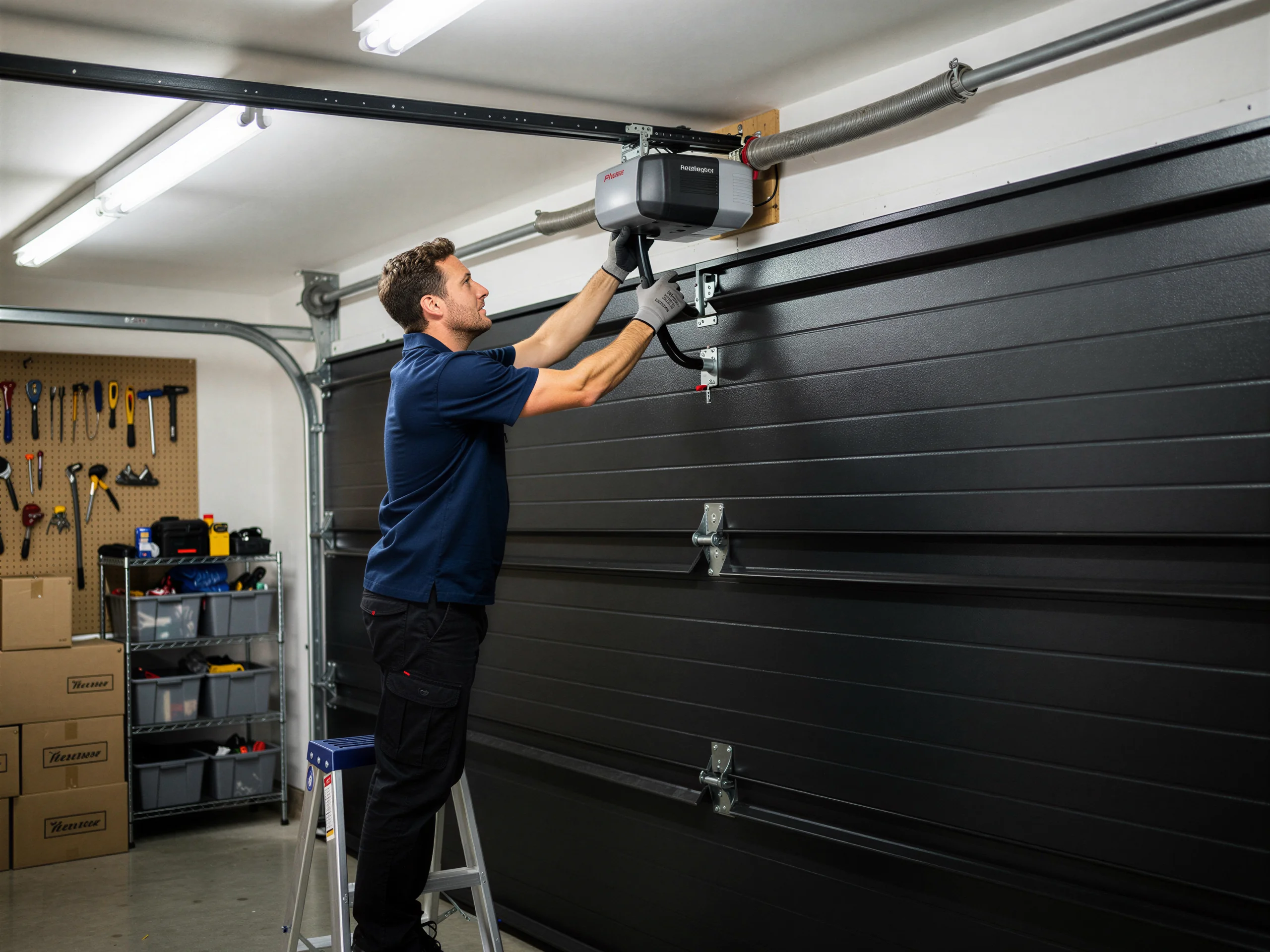
Opener Installation for Westland's Older Garages
Opener installs built for Westland's 1960s-era garages and cold winters. Learn more →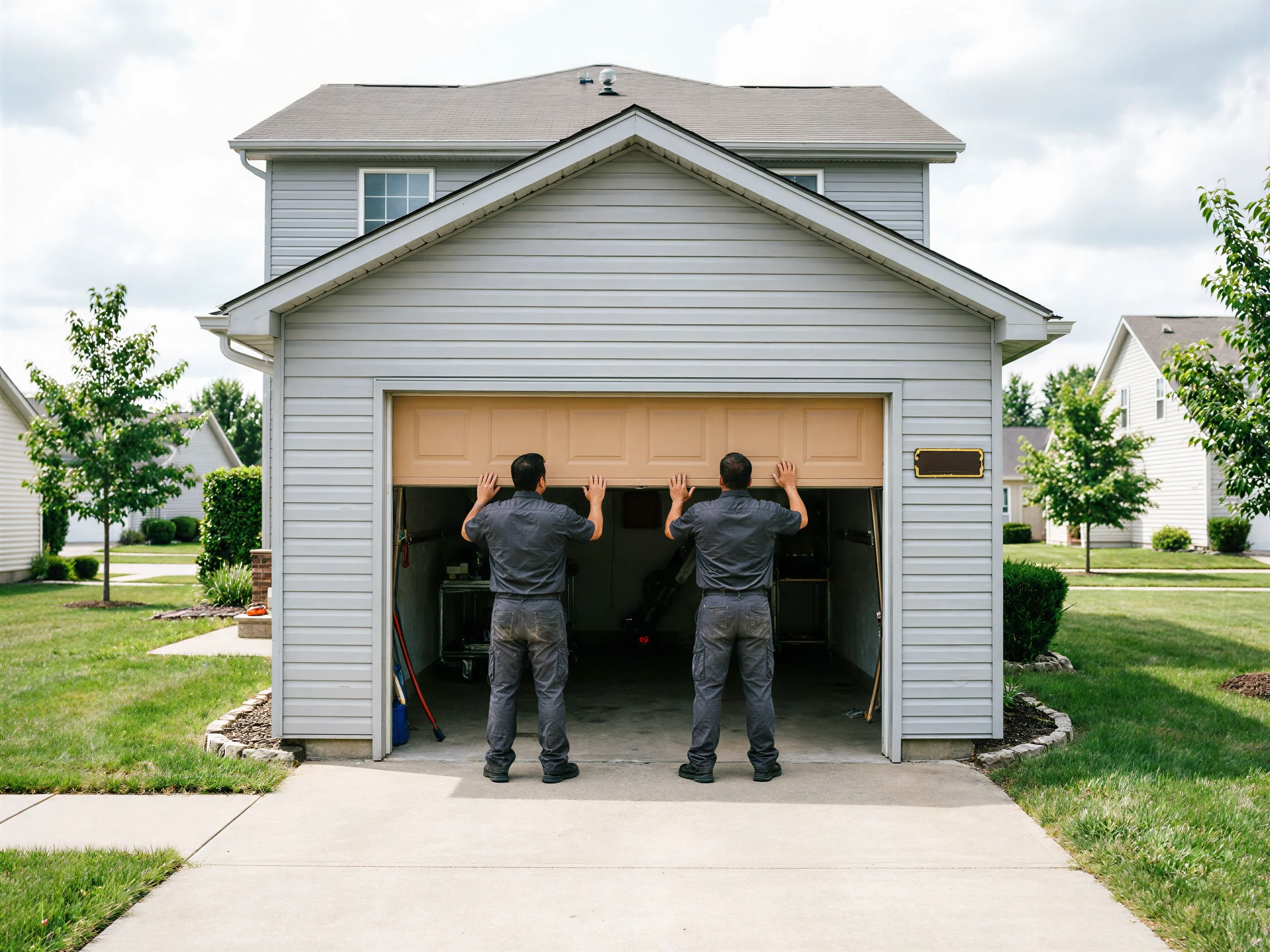
Garage Door Installation for Westland Homes
Westland homes built mostly in the 1960s often carry original garage doors sized for a different climate. Learn more →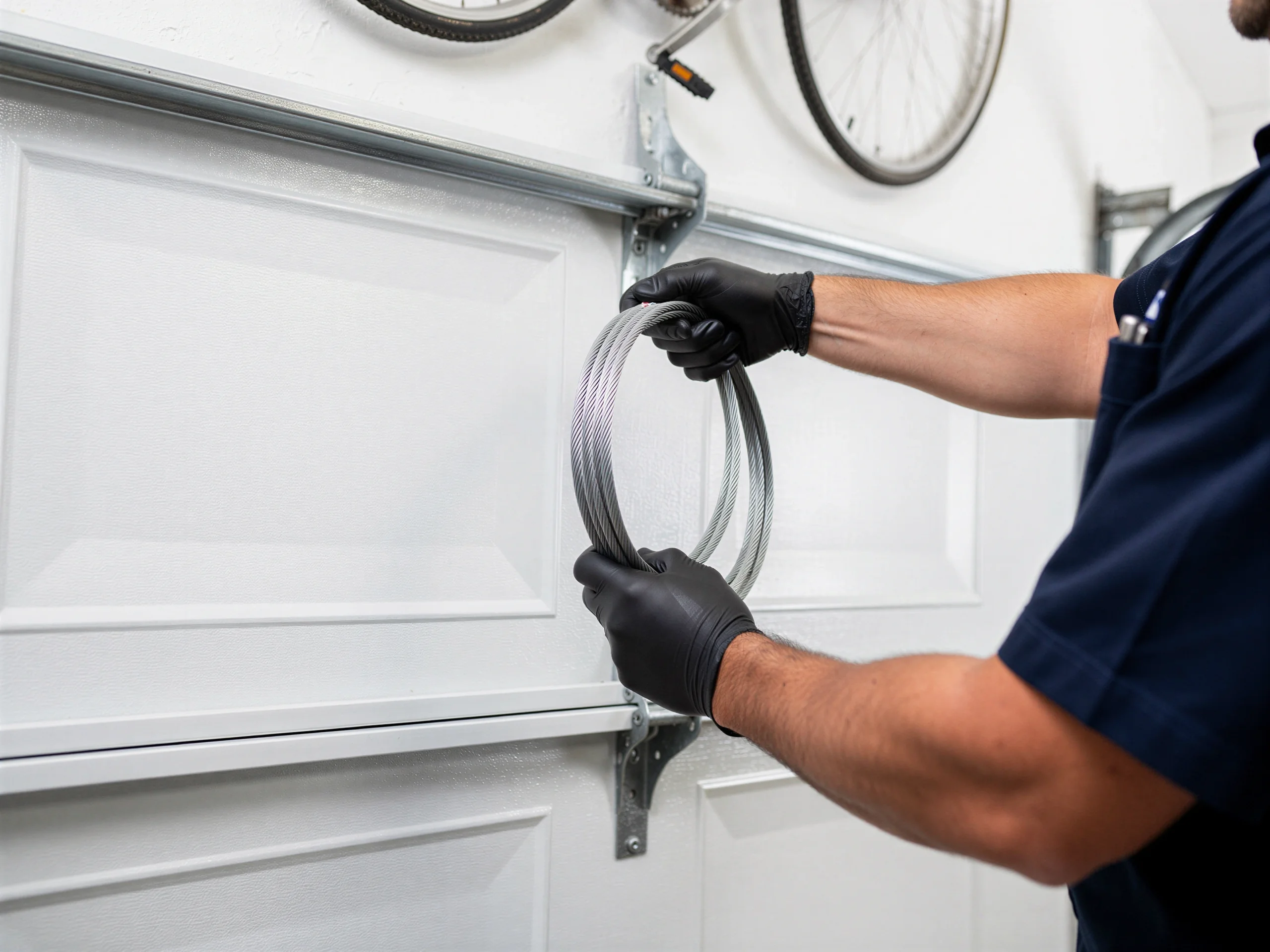
Garage Door Cable Repair for Westland Homes
Broken or frayed cable on a garage door built before 1991? Learn more →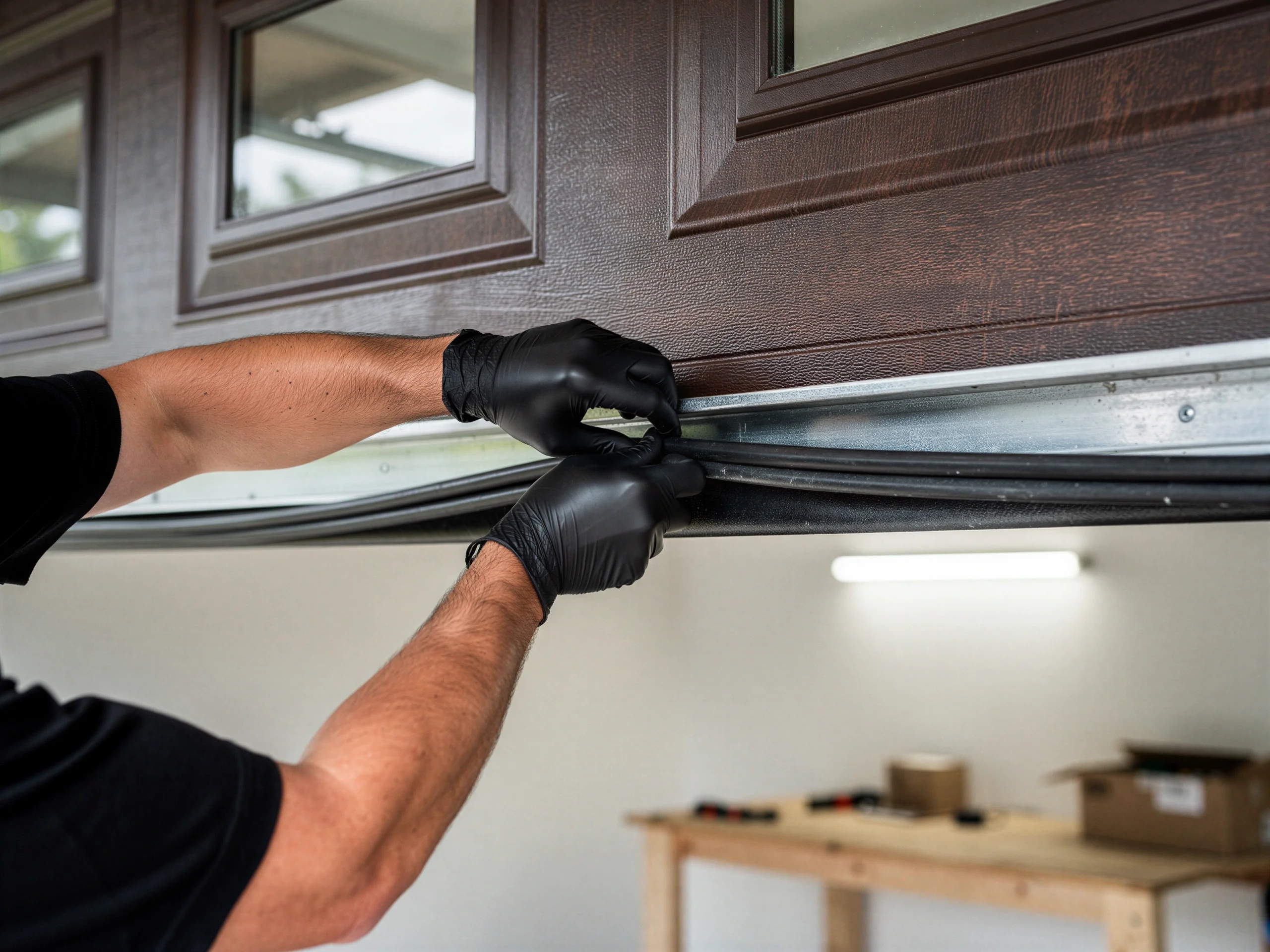
Garage Door Service for Westland's Older Housing Stock
Garage door repair and tune-up service built around Westland's 1960s-era housing stock and cold winters. Learn more →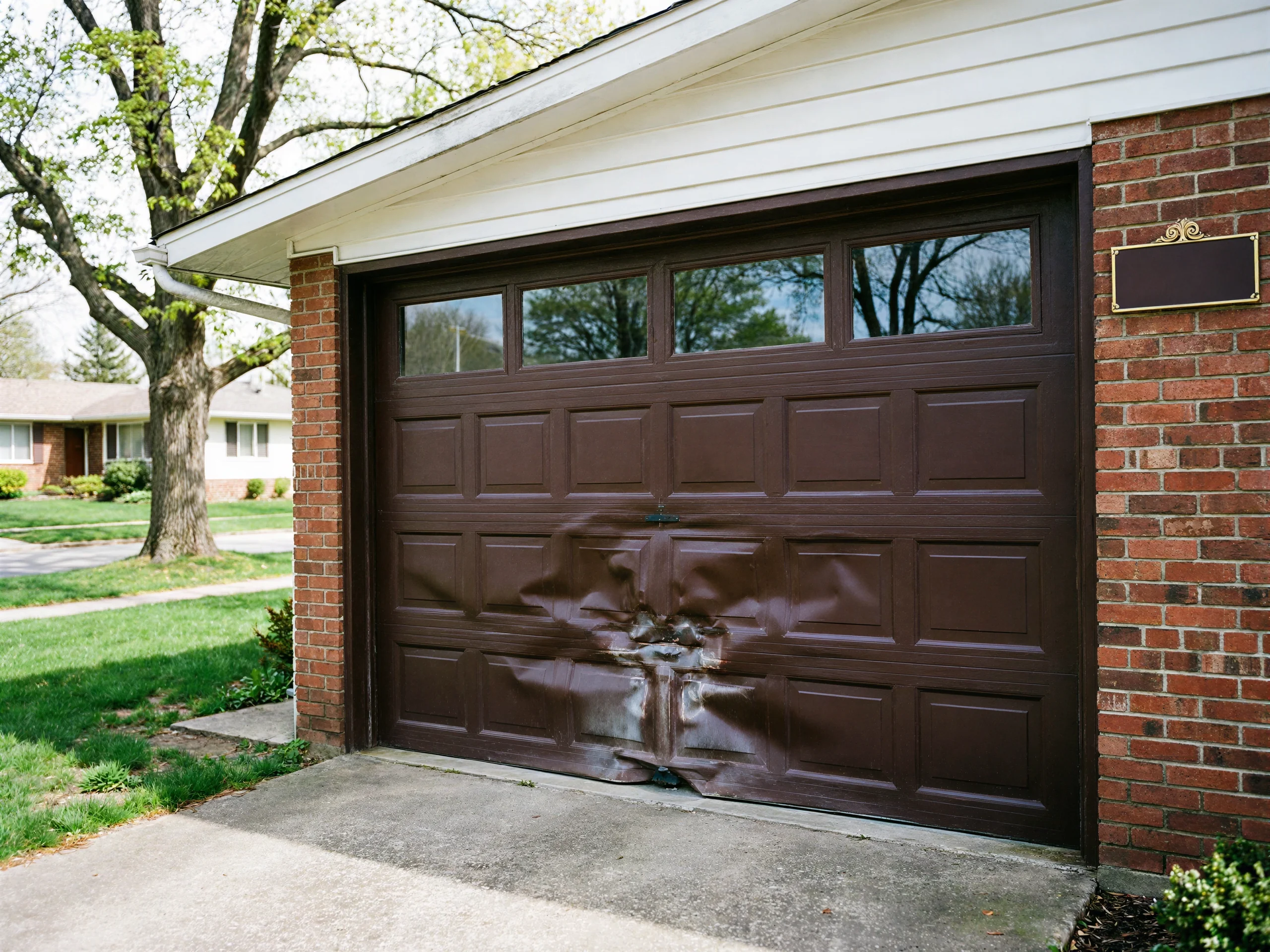
Garage Door Panel Replacement for Westland Homes
Dented or rusted panels on Westland's 1960s-era garage doors. Learn more →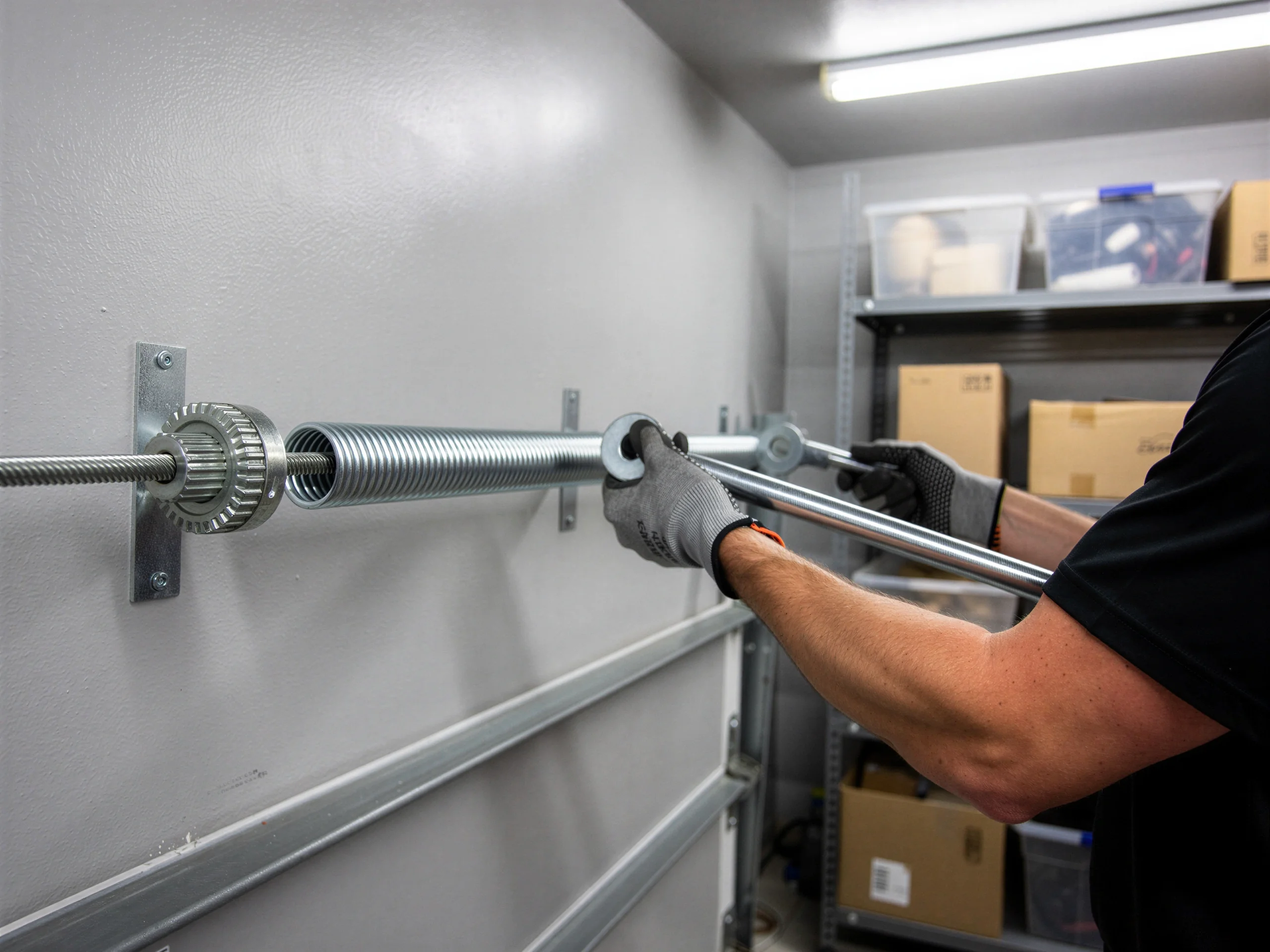
Spring Repair for Westland's Older Garage Doors
Torsion and extension spring repair for Westland's 1960s-era garage doors, built for a cold-climate service area stretching from Garden City to Wayne and beyond. Learn more →Ready when you are
Noisy or worn garage door rollers in Westland?
Westland Garage Door Pros repairs and installs garage doors, springs and openers in Westland, MI and the surrounding area.