Local detail
What Most People Get Wrong
The usual mistake is judging the whole door by how it sounds. A Westland door that grinds or sags gets written off as a total loss when the actual problem is a $200 part, not a $1,500 door. Housing in this area was built mostly between 1938 and 1991, with the bulk going up around 1960, and that matters because a door from that build era was engineered for a garage, a spring system, and an opener that were all sold as a single unit decades ago. When one piece fails, people assume the whole assembly is shot.
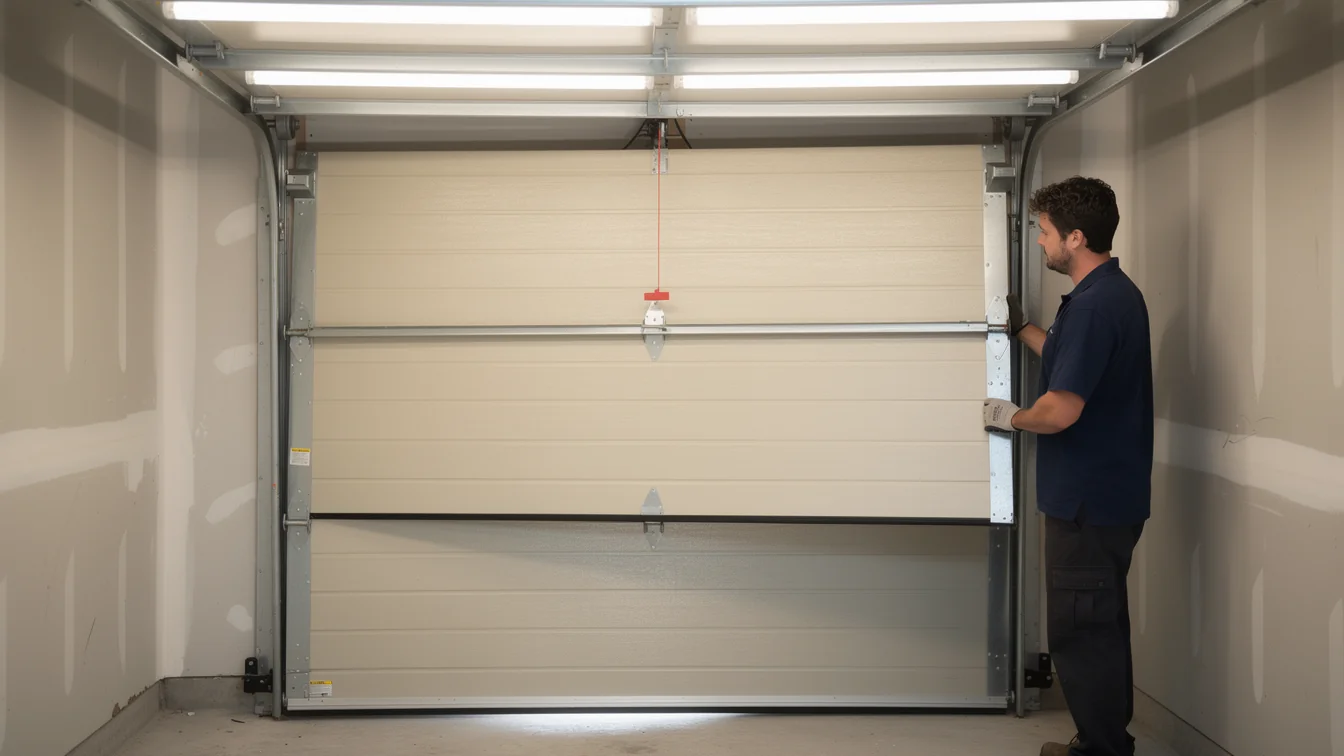
The flip side is just as common: someone keeps throwing WD-40 and tension adjustments at a door that's actually done, because the track has rusted out of square or the panel seams have split from repeated freeze cycles. Neither call is obvious from the driveway. It takes actually opening the door by hand, with the opener disconnected, and feeling where the resistance comes from. A door that lifts smooth and even by hand, even if it's loud with the opener running, usually has a fixable problem. A door that fights you unevenly the whole way up usually has a structural one.
The area
What to Look At First
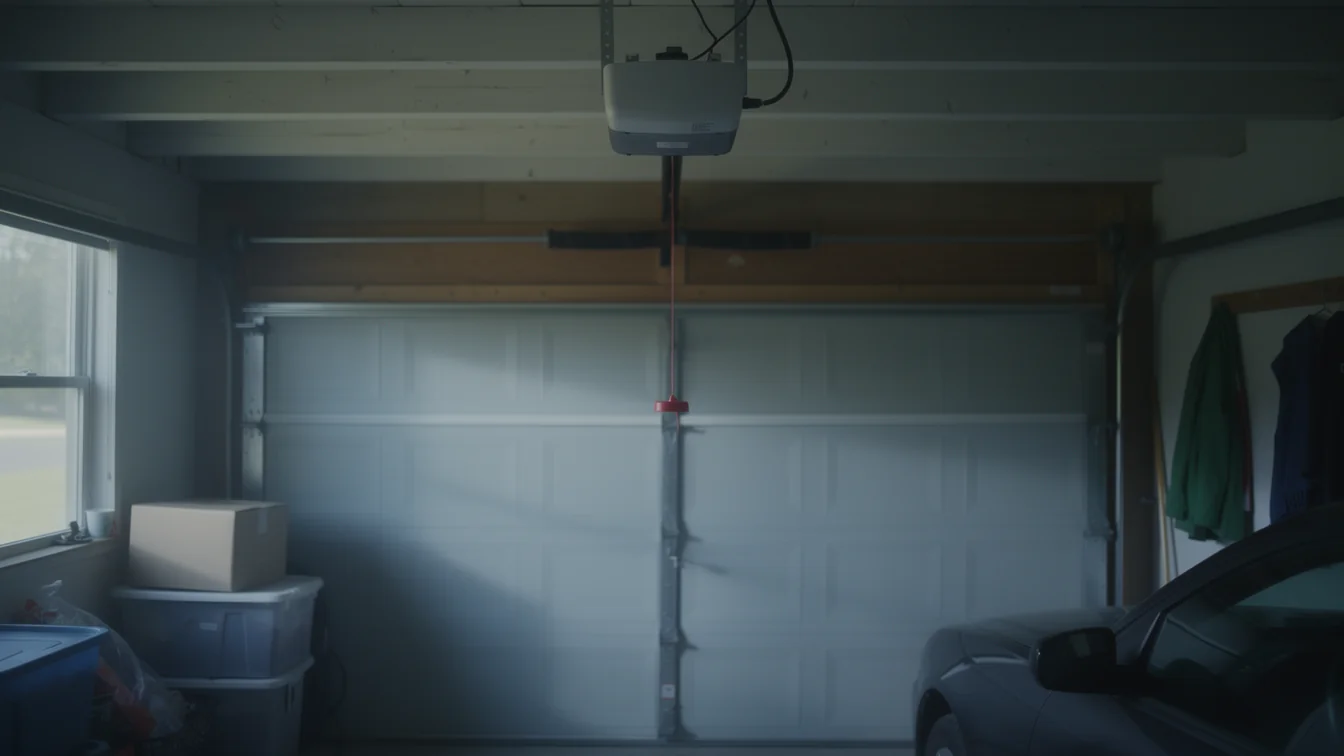
Start with the springs, since Westland's housing stock from the 1960s and 70s mostly used single torsion springs or dual extension springs rated for the lighter steel panels sold at the time. If a homeowner swapped in a heavier insulated door later without upsizing the spring, you get a door that's always been working harder than it should, and that shortens everything else's life.
Next, check the track alignment and the hinges between panels. On original steel doors from this era, the hinges are stamped, not reinforced, and after enough winters they stretch at the pivot holes, which throws the whole door out of plumb in the track even if nothing looks visibly broken.
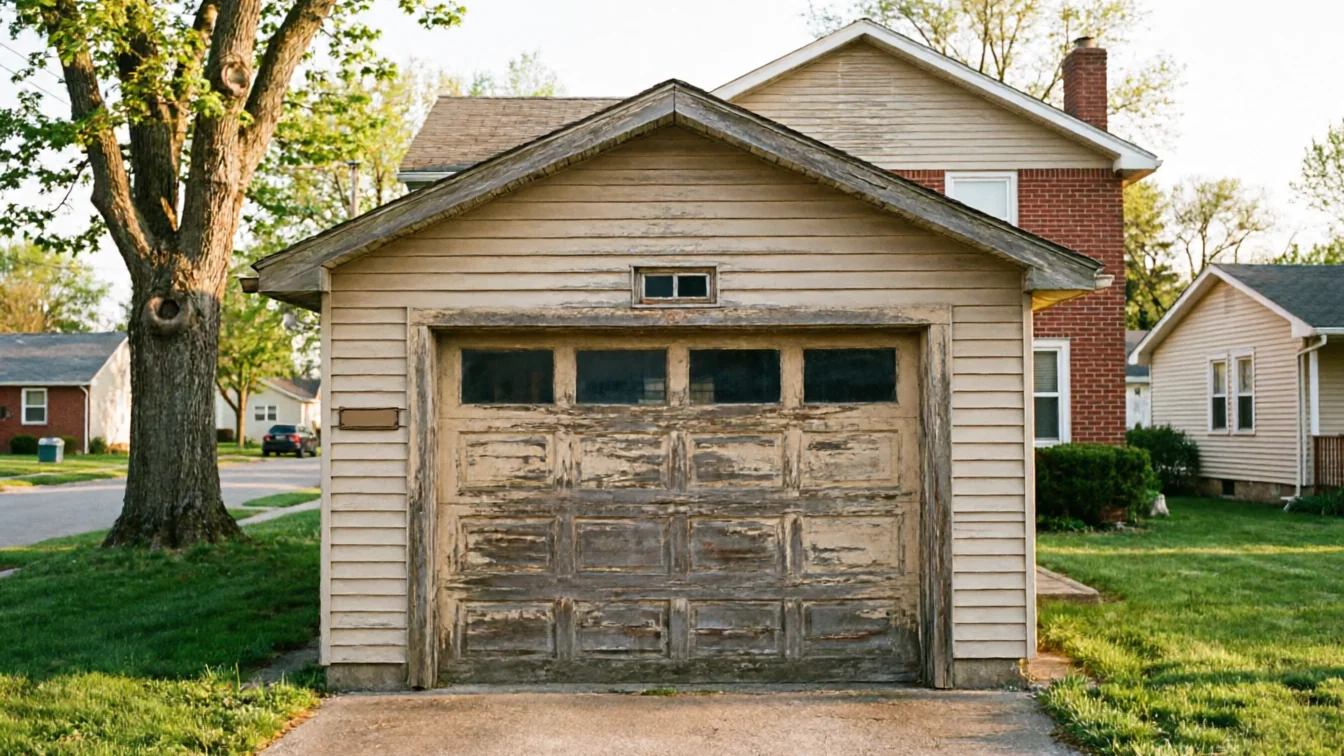
Last, look at the bottom seal and the slab itself for rust-through, especially along the bottom panel where water sits. Surface rust is cosmetic. Rust that's eaten through the steel means the panel is structurally compromised, and no amount of spring or track work fixes that. If you're only seeing surface rust and the panels are still straight, that's usually a repair, not a replacement.
What we find
What the Weather Here Does to It
This is a cold-severe climate zone, and that changes what actually fails on an older door versus a newer one. Steel contracts in deep cold, and on a door from the 1960s or 70s, the panel seams and roller stems were never built with the tolerance newer doors have for that contraction. The result is rollers that bind in the cold months and run fine in summer, which homeowners often mistake for an opener problem rather than a hardware one.
Lubricant matters more here than in a milder climate. Standard grease stiffens in sustained cold and makes the opener work harder to pull a door that's already fighting friction at the rollers. On an older spring system, that extra load accelerates fatigue on a spring that's already decades past its rated cycle count.
Ice at the bottom seal is the other recurring issue. On original doors without a thermal break, the bottom panel gets cold enough that any moisture at the slab freezes the seal to the concrete overnight, and forcing the opener against that ice is what snaps cables and bends track, not age by itself.
How we work
What Is Going On
Put together, the pattern in this area is consistent: a 1960s-70s steel door with a sound frame and track is almost always worth repairing, because the slab and track were built heavier than what's sold today. What isn't worth saving is a door with rust-through panels, a track that's been bent and straightened more than once, or hinges stretched enough that the panels no longer sit flush.
One honest limit here: parts for some original hardware from this era aren't made anymore, and matching an exact panel or roller size can mean a longer wait than homeowners expect, sometimes longer than just replacing the section. We'll tell you straight when that's the case instead of chasing a part that won't show up on time.
Across this service area, with roughly 155,825 owner-occupied houses and a median household income of $72,235, the math usually favors repair first on anything with a sound frame, since most of these homes would be replacing hardware that's genuinely at the end of its service life rather than hardware that failed early.
Talk to a local pro
Garage door trouble in Westland?
Same-day service with honest, upfront quotes.