Local detail
What Most People Get Wrong
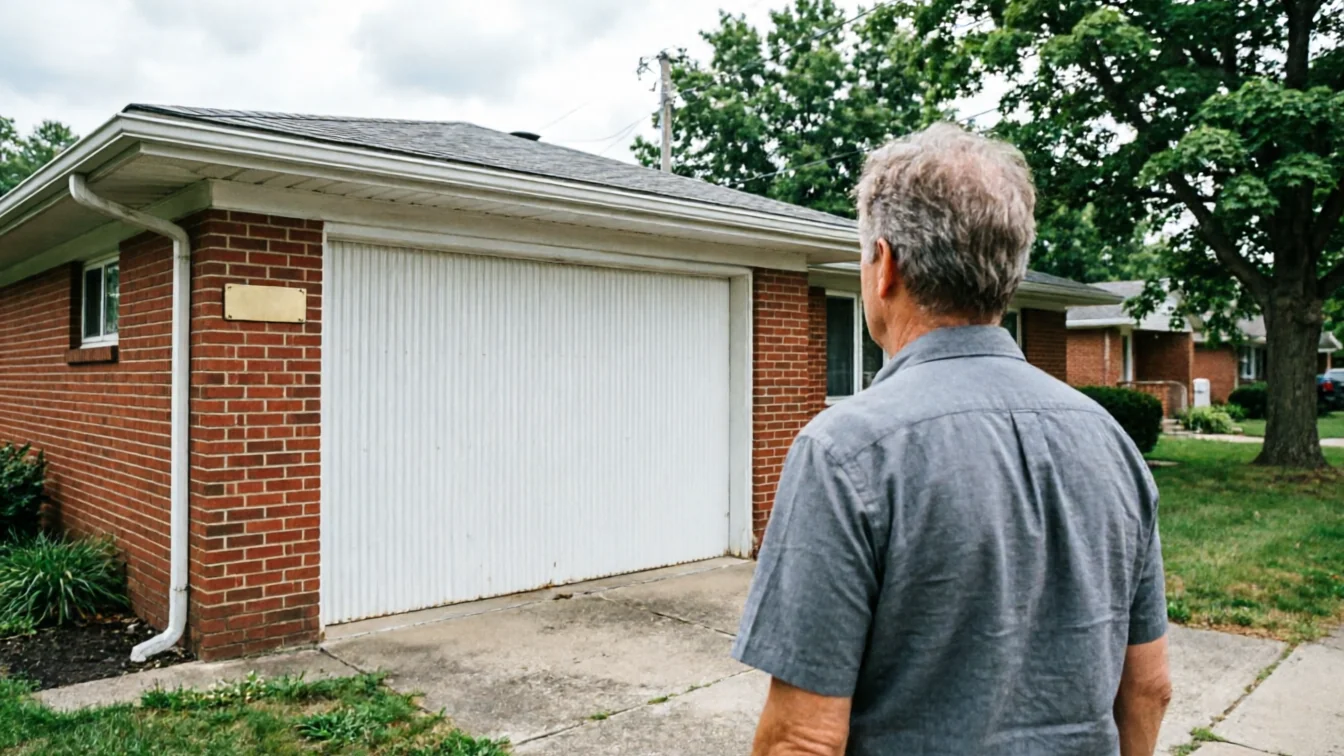
Most people shopping for a replacement door start by picking a style off a showroom wall. That's backwards in a town like this. Housing here was built mostly between 1938 and 1991, with the median home going up around 1960, and most of the stock across the area's 43 named neighborhoods dates to the 1960s and 70s. That matters because the opening itself - the rough framing, the header, the track clearance - was built to specs that have shifted twice since then. A door that looks right in a catalog photo can be the wrong width for a 1960s-era opening, or need a jamb kit nobody mentions until the installer shows up.
The other mistake is assuming the old door failed because it was "old." Sometimes it failed because the house settled over sixty-plus years and the track is no longer plumb. Swapping in a new door without checking that first just means a new door wearing out the same way, faster. We don't sell you a door before we've looked at why the last one gave out.
The area
What to Look At First
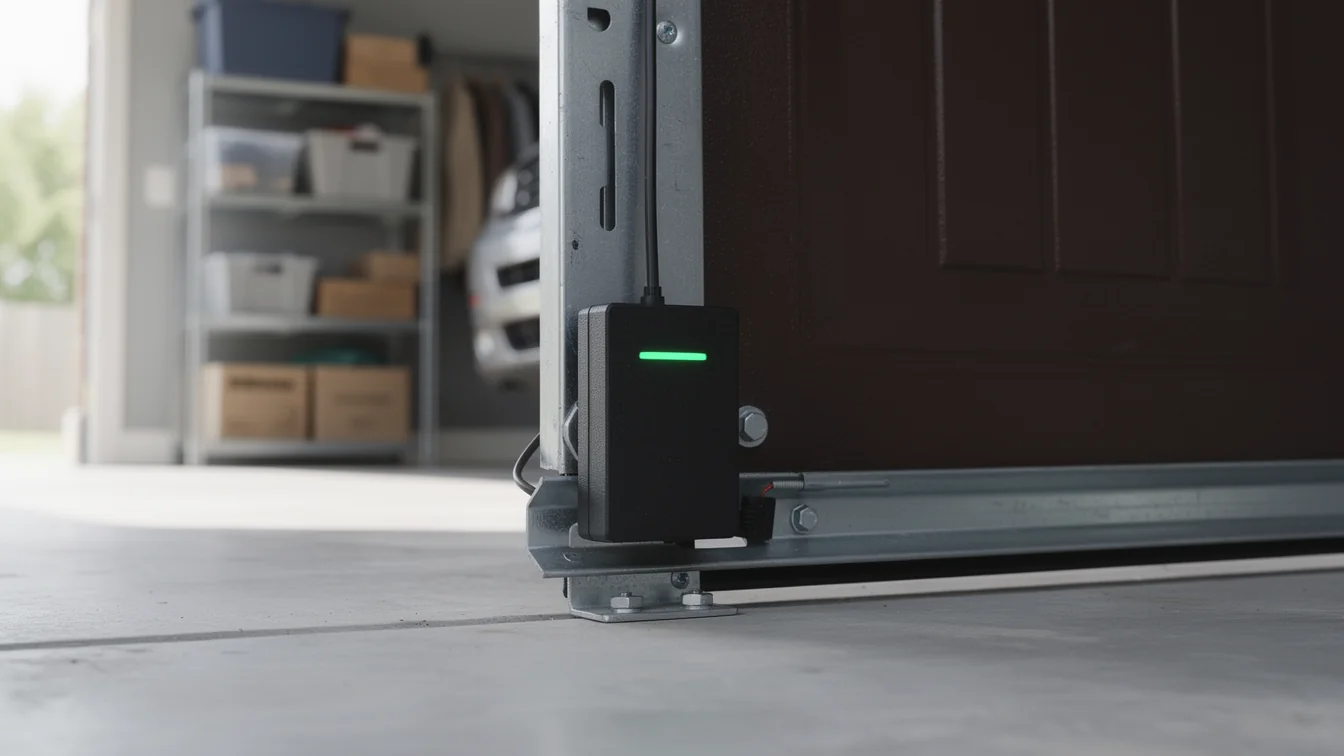
Before you talk price, look at three things. First, the track and header height - homes from this era often have lower headroom than what newer door hardware assumes, so some replacement doors need a low-headroom track kit, which changes the quote. Second, the spring system. Houses built before the 1970s were commonly fitted with extension springs rather than torsion springs, and if yours is still original, that's a safety issue on its own, not just an aging-door issue. Third, the opener wiring - if the garage wasn't wired for an opener when the house was built, as was common in that era, running power to it is its own job.
With median household income in the area at $72,235, most owners here are weighing a mid-range steel door against paying more for insulation - and given the climate here, that's not a cosmetic choice, it's a heating-bill choice. We'll walk the opening with you and tell you straight whether you need the upgraded track kit or not before any number gets written down.
What we find
What the Weather Here Does to It
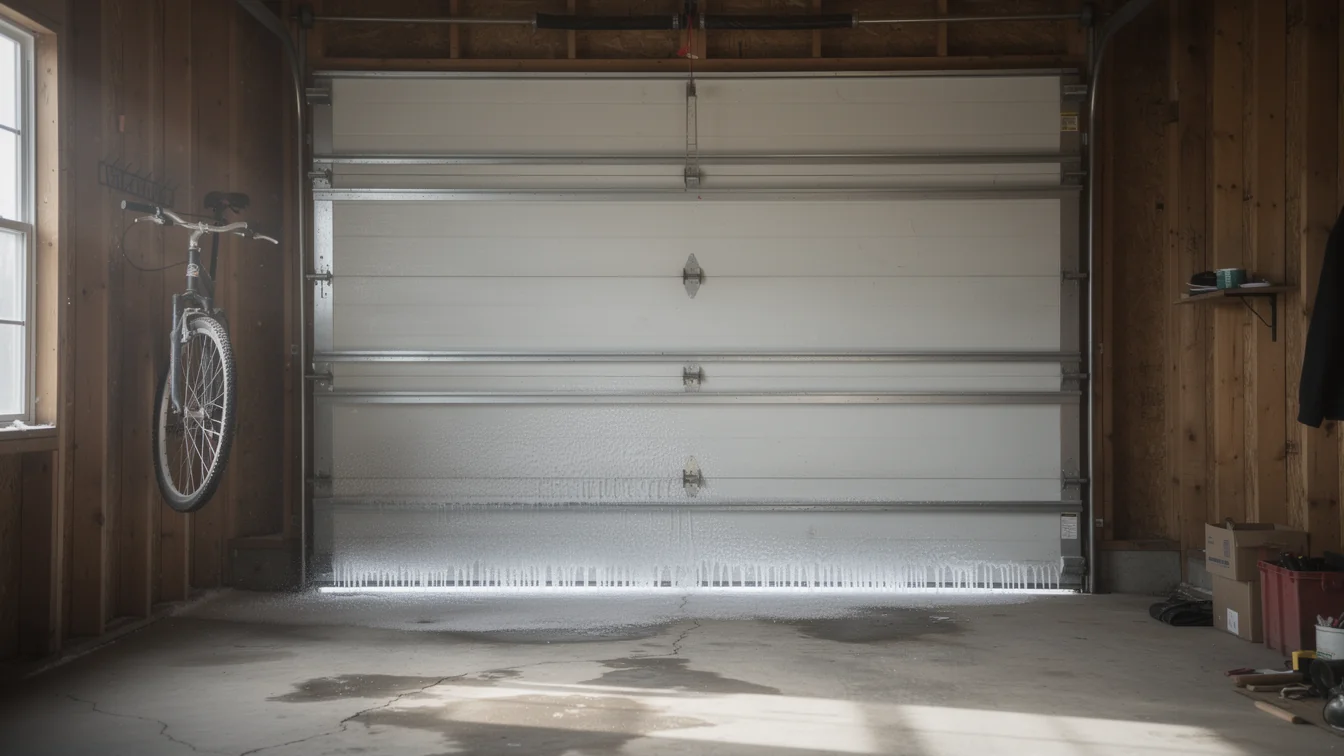
This area sits in a cold, severe climate band, and that changes what "replacement door" means. A non-insulated steel door on an attached garage here means the wall between your living space and outside air is basically a single sheet of metal through the worst months. Steel panels also contract in deep cold, which is when you hear the pop and bang on an old uninsulated door as it settles against the weatherstrip - that's not damage, but it's also not nothing, because it's usually a sign the seal is already failing.
Cold is also what kills old hardware fastest. Hinges and rollers on a door that's been through sixty winters of this climate band don't fail gracefully - they fail on the coldest morning of the year, right when you need the door most. If you're replacing a door that's original to a 1960s build, we'd rather tell you the hardware won't make winter than have you find out at 6 a.m. in January.
How we work
What Is Going On
Put together, the picture is this: an older housing stock, mostly built in a twenty-year window with a median around 1960, sitting in a climate that punishes any door built to save money up front. That combination is exactly why a straight swap - same size, same style, new paint - often isn't the right call here. The honest limitation: if your opening is badly out of square from decades of settling, a standard replacement door won't fix that, and we'll say so rather than install a door that'll bind within a year. Sometimes the header needs rebuilding before the door goes in, and that's a carpentry job, not a garage door job, and we'll tell you when that's the case instead of pretending otherwise.
What we can do is match the door to what your specific opening and era of construction actually need, not what's easiest to sell. That's the whole job.
Talk to a local pro
Garage door trouble in Westland?
Same-day service with honest, upfront quotes.