
Taylor, Westland
Roller Replacement for Taylor's 1960s Garage Doors
Taylor homes built around 1963 run steel rollers on galvanized track that wear fast in Michigan winters. Westland Garage Door Pros travels 9 miles to replace them.
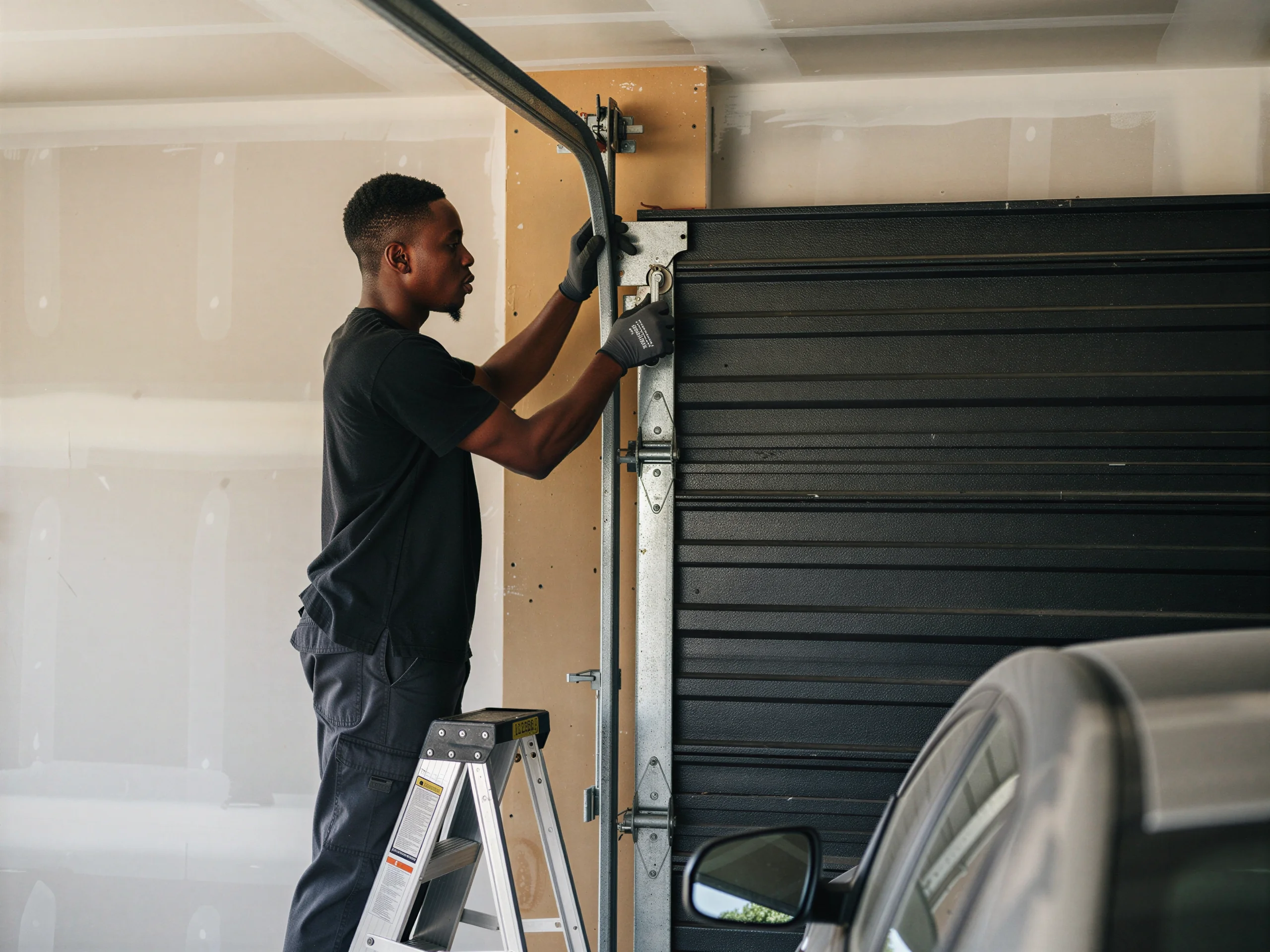
What the Repair Takes
Most garage doors in Taylor went up around 1963, part of the wider wave of 1960s-70s construction that covers dozens of towns in this corner of Michigan.
Galvanized track setup
That means a steel sectional door, usually 16x7 for a two-car opening or 8 or 9 feet wide for a single, hung on galvanized track with steel rollers riding in a stem that's been pressed into the hinge for six decades of thermal cycling.
Rusted stems in hinge plate
By now a lot of those stems are rusted into the hinge plate rather than sliding free of it. The job itself is straightforward on paper: pull the door, drop the section with the bad roller, drive the old stem out, press a new one in, reset the track gap, and run the door through a full cycle to check for binding.
Worn hinge hole fit
What makes it take longer in a house this age is the hinge itself. If the hinge hole has worn oval from years of a loose stem rattling in it, the roller won't hold true no matter what you put in, and the hinge has to come off and get replaced before the new roller does any good.
Hinge check on every call
We check hinge wear on every roller call here, not just the roller that's making noise. A full ten-roller set, both tracks adjusted, usually runs under two hours once the door's open. A single roller is faster, assuming the track isn't bent from the same rust that ate the stem.
What Is on the Truck
We carry both nylon and steel rollers, and for a house from the early 1960s we're usually reaching for nylon ball-bearing rollers with a sealed bearing, not a straight steel wheel.
Metal-on-metal track grooves
The original steel rollers on these doors ride metal-on-metal in the track, which is exactly why they're loud by year forty and why the track itself shows groove wear where the roller's been chewing the same path for decades.
Sealed-bearing nylon option
Nylon rollers with a sealed bearing run quieter and don't score the track further, which matters when the track is original and we're trying to keep the whole system usable rather than replace it. We stock rollers in the stem lengths and diameters that fit the hinge spacing on doors from this era - a 4-inch stem is common here, shorter than what you'd spec on a newer door.
Hinge and clip stock
We also carry replacement hinges, since a worn hinge plate is as common a find on a Taylor service call as the worn roller itself, and section repair clips for track that's been pulled slightly out of plumb by a stiff roller dragging on it for years.
Track gauges not stocked
What we don't carry on the truck is replacement track in every gauge - if a full track swap is needed rather than a section repair, that's usually a second trip once we've confirmed the width and gauge.
The Complications
This part of Michigan sits in a cold, severe climate zone, and that matters more for rollers than people expect. Steel rollers on steel track contract in winter cold just enough to tighten the fit, which is when you hear the grinding, popping sound homeowners usually describe as the door being stuck.
Winter binding from shrinking track
It's not stuck. It's a worn roller binding harder in a track that's shrunk a few thousandths overnight. That sound shows up more on calls in January than in July for exactly this reason. The other complication is simply age matching.
Generic kits mismatch stems
A door built when this neighborhood went up uses hinge and roller hardware with different stem lengths and spacing than anything sold today for a 2x4 track system, so a generic hardware store roller kit often doesn't fit without also swapping the hinge. We see this most on single-car doors that haven't had any hardware touched since they were installed.
Won't force worn hinge
What we won't do is force a new roller into a hinge that's visibly worn oval, because it'll fail again in a season and the call-back isn't worth it to either of us. If the hinge is gone, we tell you before we start, not after we've charged for a part that won't hold.
What It Costs
Roller replacement is priced by how many rollers need replacing and whether the hinges go with them, not by a flat number, since those two things vary a lot house to house even within the same block of Taylor homes built the same year. A single roller swap costs less than a full ten-roller set with hinge replacement, and a job that turns into a track repair costs more than either. We don't have a published flat rate for this because the hinge condition genuinely changes the job, and quoting a number before we've seen the door usually means quoting the wrong number.
We travel from Westland, about 9 miles out, to handle calls across this stretch of towns including Taylor, so the trip itself isn't part of what drives the price up or down - the door hardware is. If you want a general sense of how we handle roller jobs across the wider service area, that's covered on our main roller replacement page out of Westland; this page is specifically about what we find on doors built when Taylor's housing stock went in.
Questions
Common questions
Why do my rollers grind in winter but not summer?
Steel rollers and steel track both contract in cold weather, which tightens the fit just enough to turn a slightly worn roller into a grinding, sticking one. It's common on original hardware from houses built in the early 1960s, since that roller has had sixty winters to wear down. Warmer weather loosens the fit back up and the noise often fades, but the wear doesn't reverse.
Can you just replace the rollers, or do the hinges need to come off too?
It depends on the hinge. If the hole the roller stem sits in has worn oval, a new roller will rattle loose in it within a season no matter how good the roller is. We check hinge wear on every call and tell you before we start if the hinge needs replacing alongside the roller.
Do you carry parts for a door this old on the truck?
We stock nylon and steel rollers in the shorter stem lengths common on doors from the early 1960s, plus replacement hinges and track repair clips. Full track replacement in every gauge isn't something we carry, so a full track swap sometimes means a second trip once we've confirmed the width.
Explore more
More Services in Taylor
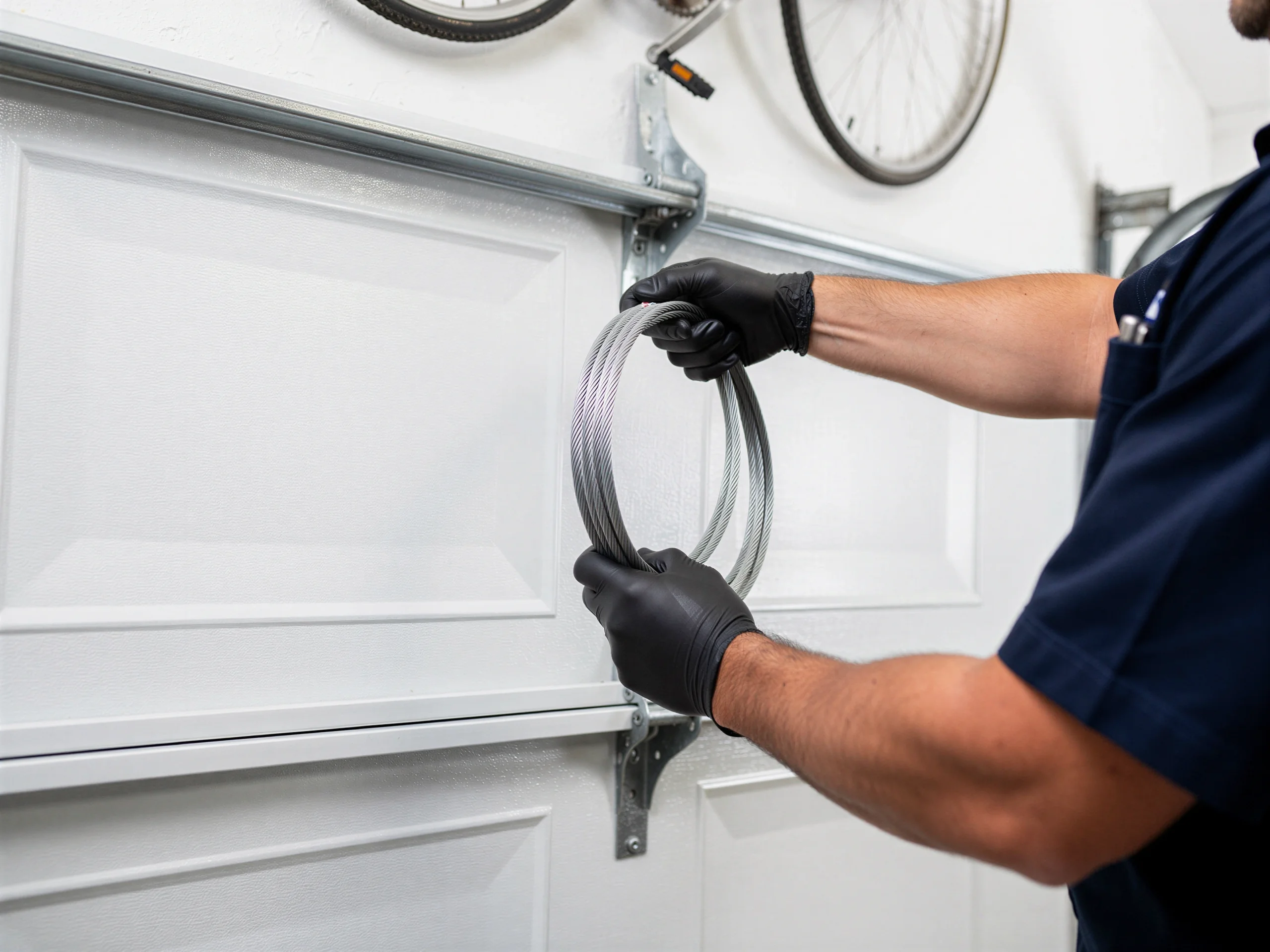
Cable Repair
Snapped or frayed garage door cables in Taylor, MI, tied to the area's early-1960s tract housing. Learn more →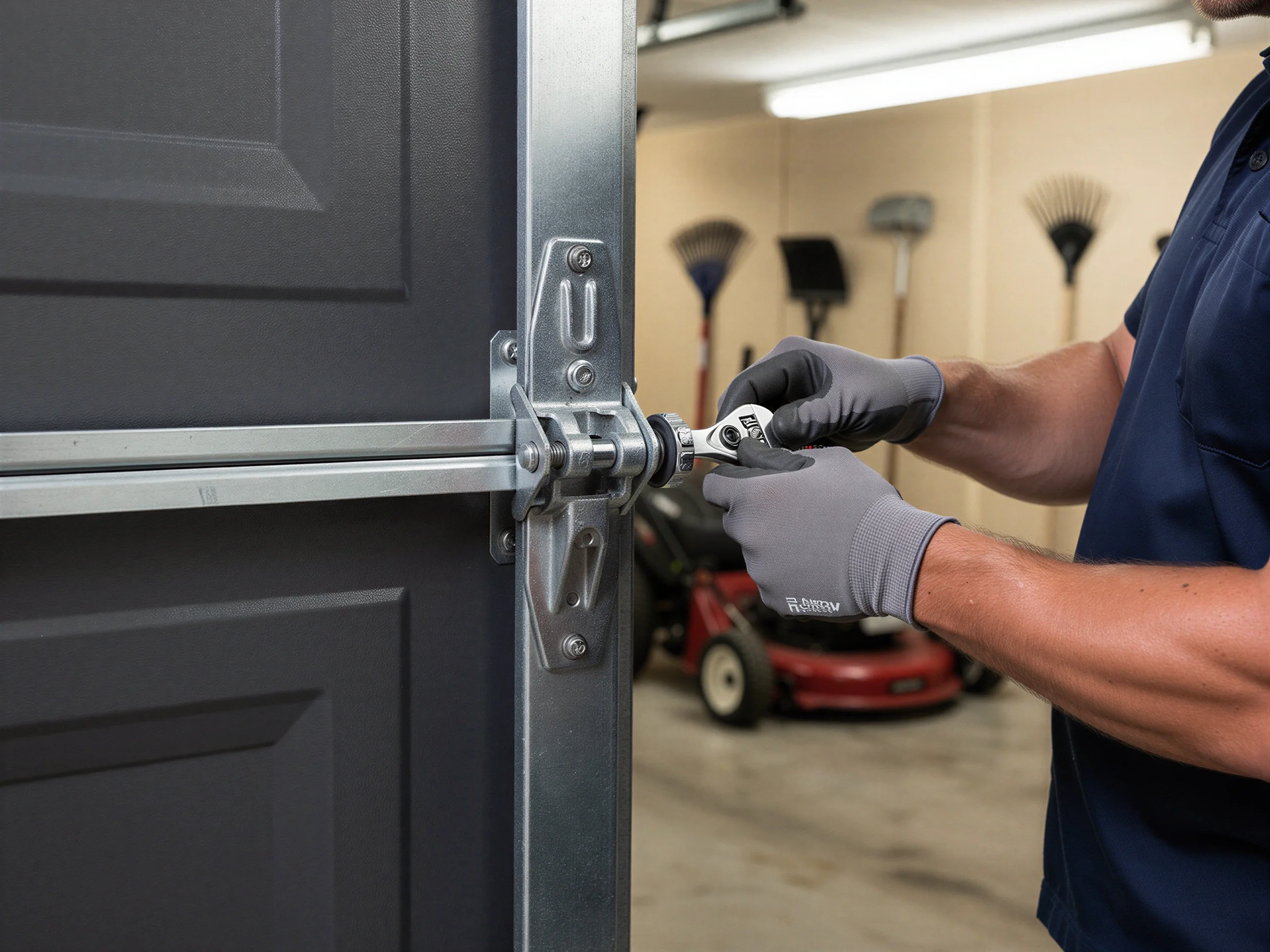
Garage Door Repair
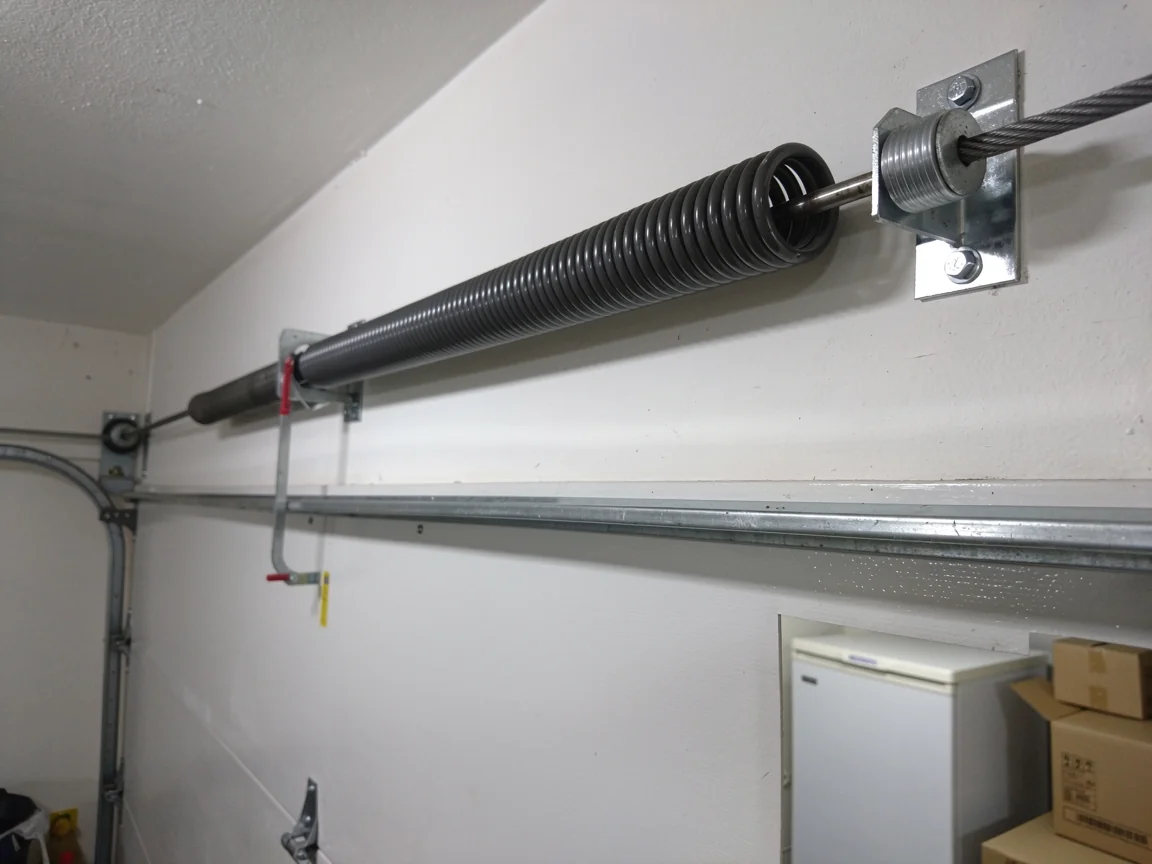
Garage door repair for Taylor, MI, a 9-mile drive from our Westland base, serving homes mostly built around 1963 with original hardware and torsion springs. Learn more →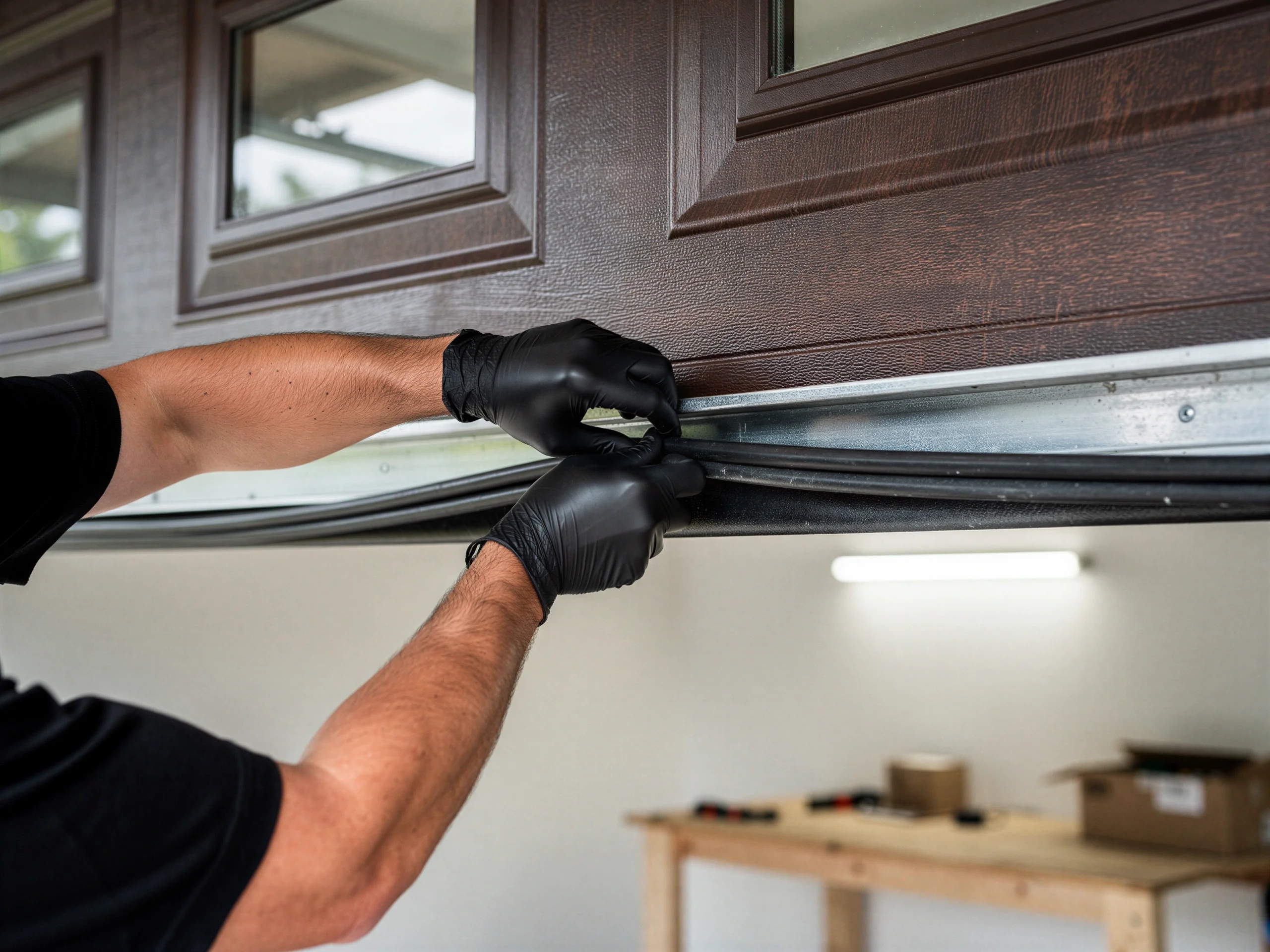
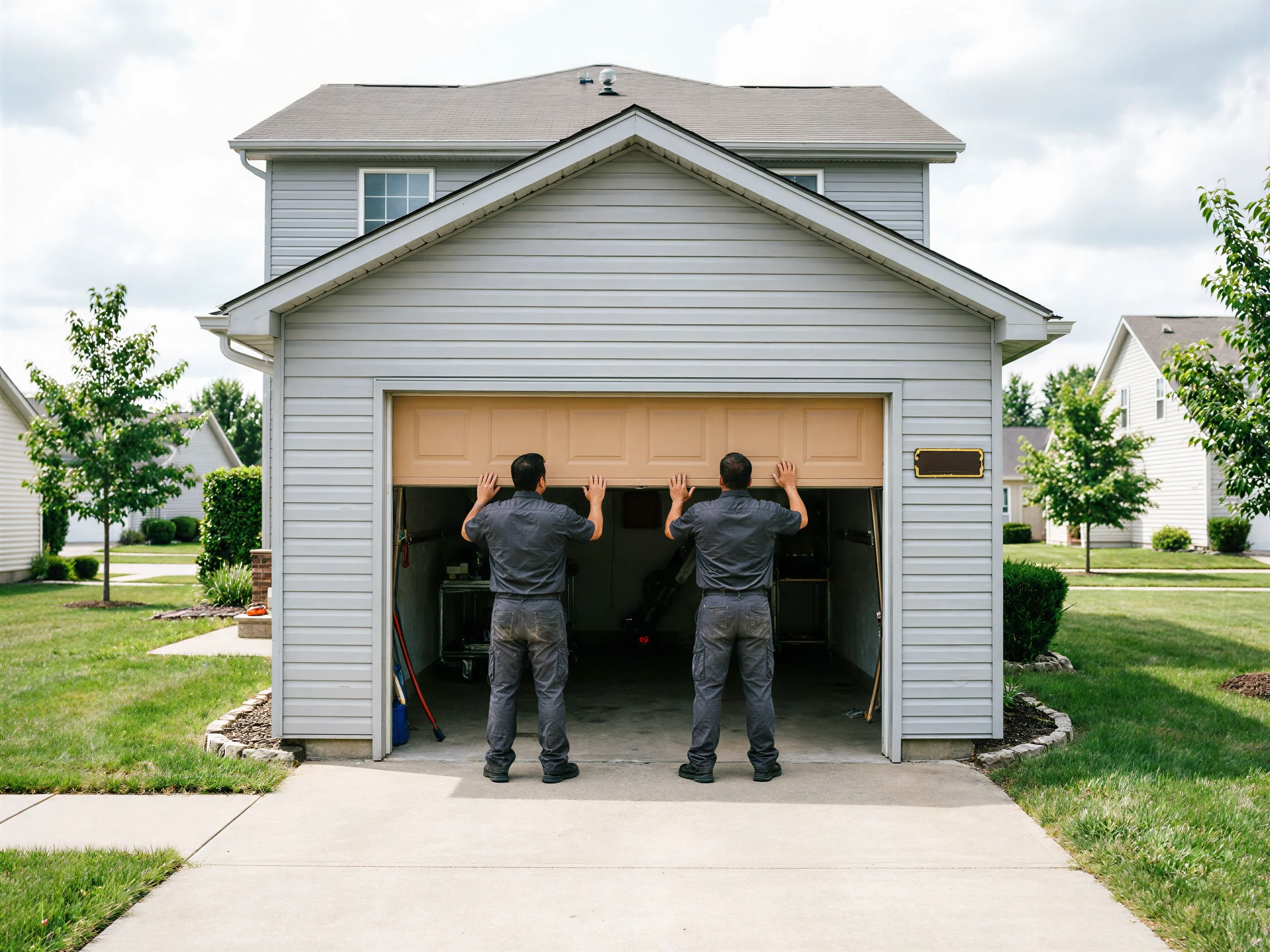
New Door Installation
Taylor's median income runs below the service area average, which changes the repair-or-replace math on a 1963-era door. Learn more →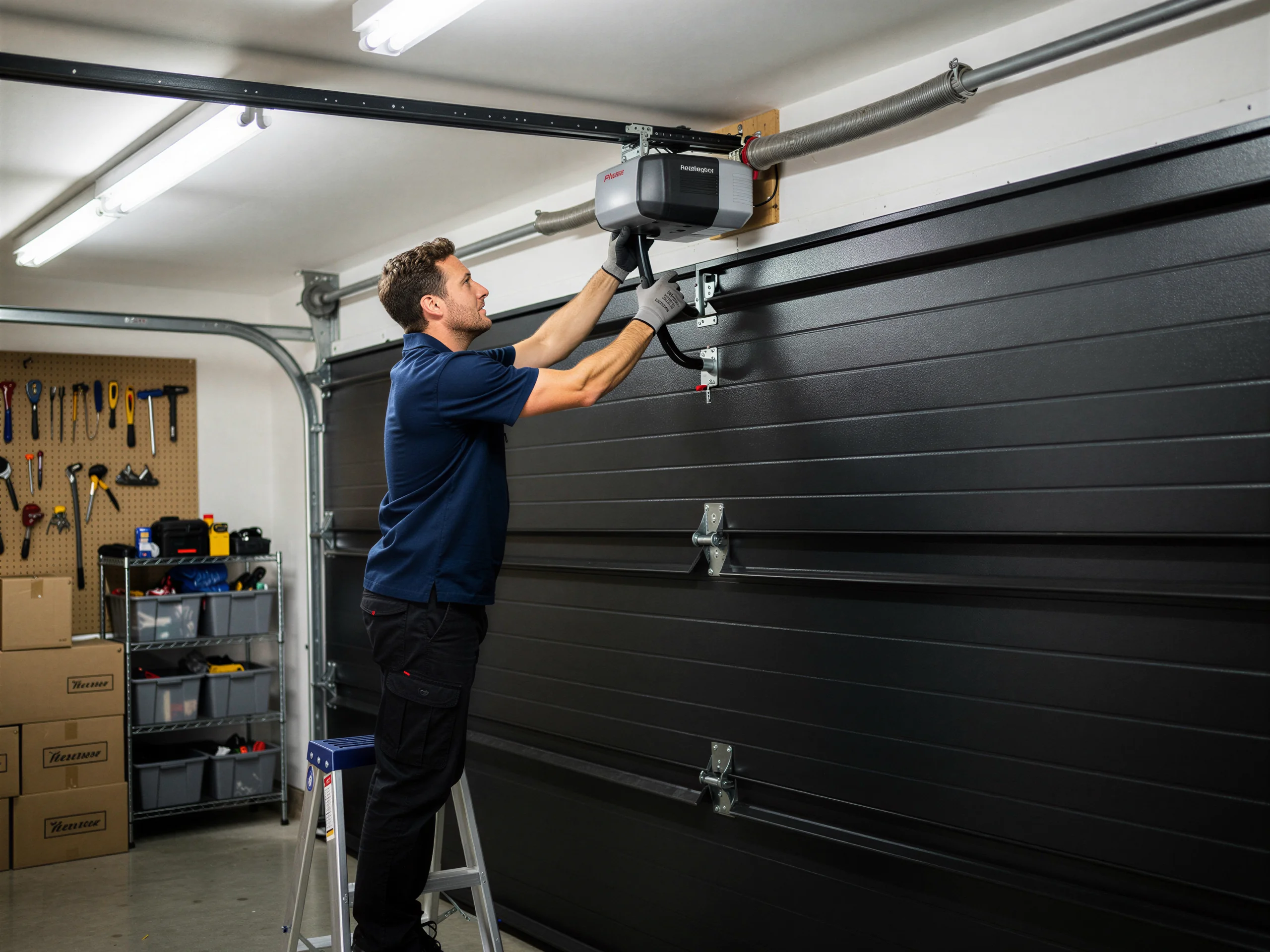
Opener Installation
Taylor's houses mostly date to the early 1960s, which means openers without photo-eye sensors and headers never built for today's units. Learn more →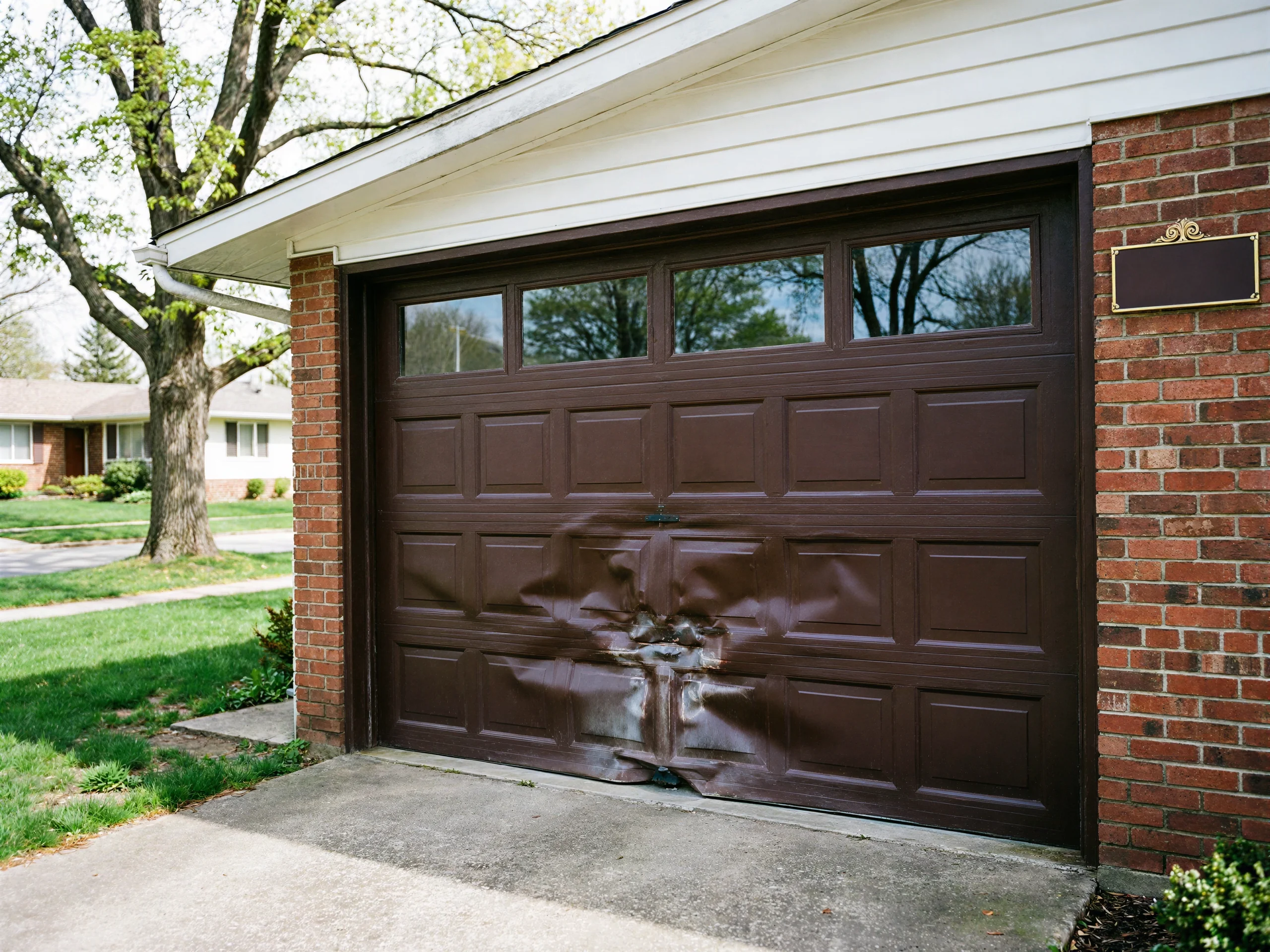
Panel Replacement
Taylor homes built around 1963 still carry original panel sections and hardware. Learn more →
Spring Repair
Taylor's housing went up mostly around 1963, which means original torsion hardware well past its service life. Learn more →Ready when you are
Noisy or worn garage door rollers in Taylor?
Westland Garage Door Pros repairs and installs garage doors, springs and openers in Westland, MI and the surrounding area.